
The failings of western politics
One of the central concerns lies in the polarization that has gripped political discourse.
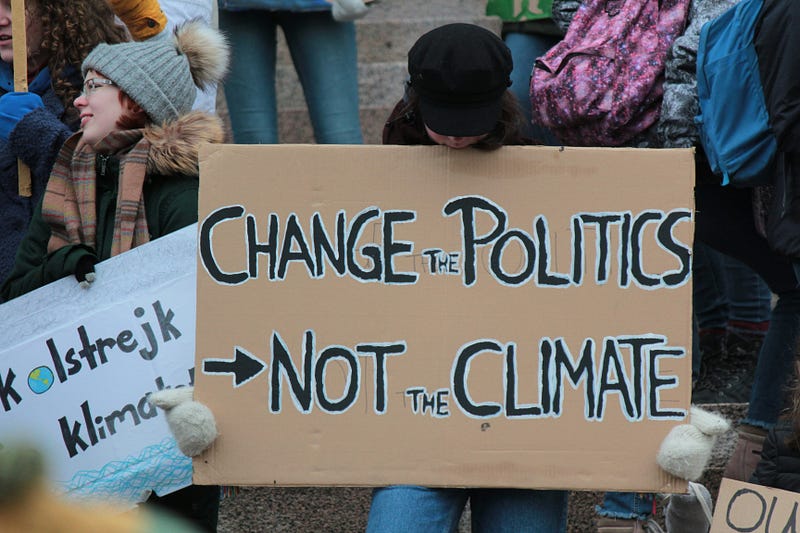
In the intricate tapestry of Western politics, a web of failings has been revealed, challenging the foundations of democratic governance. Examining the nuances and complexities that define the political landscape, this analysis sheds light on the shortcomings that demand our attention.
In recent years, the Western political sphere has faced a series of challenges, exposing systemic vulnerabilities that have left citizens questioning the efficacy of their democratically elected leaders. From the rising tide of populism to a growing sense of disillusionment, the failings of Western politics are becoming increasingly apparent.
One of the central concerns lies in the polarization that has gripped political discourse. Across the Atlantic, the once-shared values that underpinned Western democracies are now subjected to partisan battles that often overshadow the pursuit of common ground. The erosion of bipartisanship has given way to a toxic atmosphere where compromise is seen as a sign of weakness rather than a cornerstone of effective governance.
Moreover, the inability to address pressing issues such as income inequality, climate change, and social justice has fueled public frustration. The promise of change made by political leaders seems to ring hollow as these issues persist, leaving citizens disenchanted with the democratic process itself.
The role of media in exacerbating these failings cannot be overlooked. The constant barrage of sensationalized news stories, coupled with the rise of misinformation, has created an environment where the truth is often obscured. The erosion of trust in traditional media outlets has further deepened the divide between different segments of society, hindering meaningful dialogue.
In the midst of these challenges, the handling of international affairs by Western leaders has also come under scrutiny. The unpredictability of foreign policies, coupled with instances of wavering commitment to global alliances, has raised questions about the reliability of Western powers in the global arena.
However, amidst the gloom, there is an opportunity for introspection and reform. Western democracies have weathered storms in the past, emerging stronger and more resilient. The failings observed today should catalyze change, prompting a reevaluation of political structures, a reaffirmation of democratic values, and a commitment to addressing the pressing issues that affect citizens’ lives.
As we navigate the intricate landscape of Western politics, it is imperative to acknowledge the flaws that have come to light. Through a collective effort to address these shortcomings, Western democracies can embark on a path towards renewal, ensuring that the principles that underpin democratic governance are not only preserved but strengthened for generations to come.