The Exact Defination Of Zionism, It’s Aims And Beliefs As Well It’s Desires To Take Over All Of What Remains Of Palestine As Expressed Publically By Many Of The Present Israeli Government
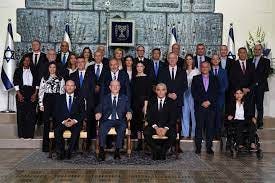
Zionism is a political and ideological movement that emerged in the late 19th century, advocating for the establishment of a Jewish homeland in the historic land of Israel, which includes the territory of present-day Israel and Palestine. The term “Zionism” is derived from Zion, a hill in Jerusalem that is a symbol of Jerusalem and the Land of Israel in Jewish tradition.
The aims and beliefs of Zionism vary among its adherents, but some common themes include:
- Establishment of a Jewish state: Zionism seeks to create and maintain a sovereign Jewish state in the land of Israel, where Jews can live freely and independently.
- Jewish self-determination: Zionism emphasizes the right of the Jewish people to determine their own political, social, and cultural destiny in their ancestral homeland.
- National liberation: Zionism is often framed as a national liberation movement, seeking to end the historical oppression and persecution of Jews by providing them with a homeland where they can live securely.
- Historical connection to the land: Zionists assert a deep historical and religious connection between the Jewish people and the land of Israel, dating back thousands of years to biblical times.
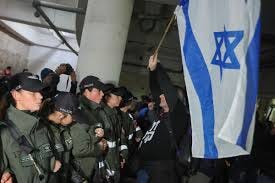
Regarding the desires to take over all of what remains of Palestine, it’s crucial to recognize that within Zionism, there are different interpretations and approaches. While some Zionist factions have advocated for the expansion of Jewish settlements into Palestinian territories, others who are very much in the minority, support a two-state solution, where Israel and a future Palestinian state would coexist side by side in peace.
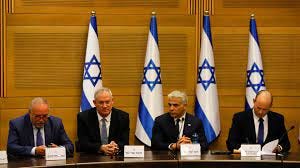
It’s important to note that not all Israelis or supporters of Zionism endorse the idea of taking over all of what remains of Palestine. Israeli government policies regarding settlements and territorial claims have been a subject of contention both domestically and internationally, with debates over issues such as security, demographics, and historical rights playing significant roles in shaping perspectives and policies.

Non Zionist Jews Who Live By The Word Of God And Oppose The Israeli Government’s Conduct In The War Against Gaza.
Those Who Claim To Be Zionists Who Support A Two State Solution Do Not Fully Understand Zionism Because Most Zionists Settled Into Isreal Came From Europe Including The Present Israeli Government.
They Came To Achieve Their Colonial Objectives Of Seizing All Of Palestine And Other Arab Lands For A Greater Israel. Many Very Extreem Far Right Fascist Elements Have Influence Over The Present Israel Government.
It’s important to acknowledge that within the Zionist movement, there are differing interpretations and ideologies, ranging from those who advocate for a two-state solution to those who support a more expansive territorial agenda. While some Zionists historically have aimed for the establishment of a Jewish state within the boundaries of what is now Israel, others have indeed pursued expansionist goals, aiming for control over a greater territory, including parts of what is currently Palestine and other Arab lands.
The concept of “Greater Israel” refers to a geopolitical vision that extends beyond the borders of present-day Israel to encompass territories historically associated with the biblical land of Israel. This vision often includes parts of the West Bank, Gaza Strip, and even territories beyond the boundaries of historic Israel.
It’s also true that there have been instances in Israeli history where settlements in the West Bank and Gaza Strip were established with the intention of securing strategic and territorial interests, which some critics argue reflect colonial objectives.
However, it’s overly simplistic to assert that all Zionists support a singular, expansionist agenda. Many Israelis and supporters of Zionism advocate for a two-state solution as a means of achieving peace and stability in the region, recognizing the rights and aspirations of both Israelis and Palestinians. The trouble is there aren’t enough of them to change the current narrative?
Ultimately, the Zionist movement, like any political ideology, is multifaceted, with a range of perspectives and goals among its adherents. It’s essential to engage with the diversity of viewpoints within Zionism and to understand the complexities of the historical and contemporary issues involved in the Israeli-Palestinian conflict.
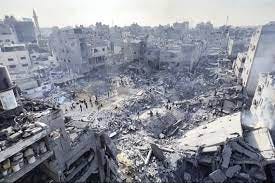
Isn’t It Now Very Evident That The Present Conflict in Gaza Is Not Israel Defending Herself, Is Not Israel Targeting Hamas, But In Actual Fact A Genocide And A Further Land Grab?
The situation in Gaza, as with many conflicts, is complex and multifaceted, and different perspectives often shape interpretations of events. The term “genocide” carries significant weight and specific legal definitions under international law. While the situation in Gaza involves significant violence, civilian casualties, and displacement, characterizing it as genocide requires careful consideration and examination of evidence. Yet only A USA veto prevented it being so defined?
Israel asserts that its military actions in Gaza are defensive measures aimed at countering threats posed by militant groups like Hamas, which control the Gaza Strip and have launched rocket attacks into Israeli territory. Israeli officials often state that they target militant infrastructure and personnel in their operations, aiming to protect Israeli civilians from rocket attacks and other threats. Evidence from news coverage does not back this up?
However, critics argue that Israel’s military operations in Gaza have resulted in disproportionate harm to Palestinian civilians, including high numbers of casualties and extensive damage to infrastructure. They also point to the blockade imposed on Gaza by Israel and Egypt, which severely restricts the movement of people and goods in and out of the territory, contributing to a humanitarian crisis.
Regarding the accusation of “land grab,” some critics of Israel’s policies argue that its actions in Gaza, as well as in the West Bank, including settlement expansion and the construction of the separation barrier, aim to assert control over territory at the expense of Palestinian rights and aspirations for statehood.
The conflict in Gaza is deeply rooted in historical, political, and territorial disputes between Israelis and Palestinians, including issues related to borders, refugees, and sovereignty. Addressing these complex issues requires dialogue, negotiation, and a commitment to peaceful coexistence.
It’s crucial to engage with diverse perspectives, examine evidence critically, and advocate for a just and sustainable resolution to the conflict that upholds the rights and dignity of all parties involved. This includes addressing the legitimate security concerns of Israel while also recognizing the rights and aspirations of the Palestinian people for self-determination and statehood.
Leading Jewish Rabbi’s Support What I Have Said To Be Fact And Many Jews Speak Of Being Ashamed To Be Jewish And Of Isreal

It’s true that within the Jewish community, there are diverse perspectives on the Israeli-Palestinian conflict, and not all Jews support the actions of the Israeli government or agree with its policies. Some Jewish leaders, rabbis, and organizations have indeed criticized Israeli policies, particularly concerning the treatment of Palestinians in the occupied territories and the conduct of military operations especially related to their faith.
There are Jewish individuals who feel conflicted or ashamed about certain actions taken by the Israeli government, particularly when they perceive those actions as contradicting Jewish ethical principles or humanitarian values. Such sentiments can stem from a deep concern for justice, human rights, and the well-being of all people affected by the conflict.
It’s important to recognize that criticizing Israeli policies or expressing shame about certain actions does not equate to being anti-Israel or anti-Semitic. Constructive criticism and dialogue within the Jewish community and among supporters of Israel are essential for fostering understanding, promoting accountability, and working towards a peaceful resolution to the conflict.
While some Jewish leaders and individuals may express viewpoints aligning with the perspectives mentioned, it’s crucial to remember that the Jewish community, like any other, is diverse, with a range of opinions and beliefs. Not all Jews share the same perspective on Israel or the Israeli-Palestinian conflict, and it’s essential to engage with this diversity respectfully and thoughtfully.
However, the present actions by the Zionist Government of Isreal at least put the whole idealogy of Zionism in a very bad light, if indeed we are to believe that some Zionists do want a two state solution at the end of the war between Israel and Gaza?
Stephen Vincent.