
The Evolution of Storytelling
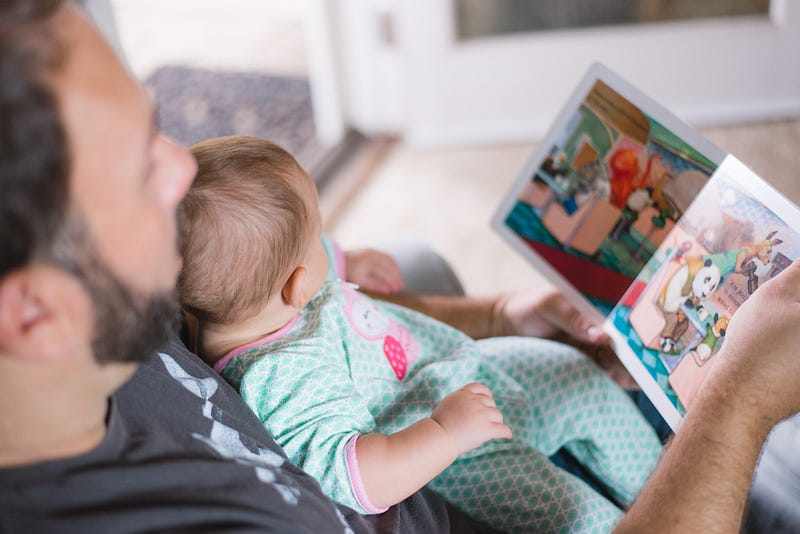
The Evolution of Storytelling.
As storytellers it is our job to evoke emotion in our audience. As humans we rely upon our senses to perceive and understand the world around us. Sight, sound, touch and smell all play integral roles in our realities and, therefore, our emotional states. Storytellers have arguably had he most difficult job of all artists when it comes to evoking emotion.
Other art forms can utilize the senses to gain access to their audience; painters and sculptors use the sense of sight, musicians use the sense of hearing, cooks have the senses of smell and taste. The poor storyteller was left to conjure emotions with only words.
The first paradigm shift for storytellers was writing. Our stories could be passed down in their original form, without mutation. Next came the printing press. This made our stories available to much wider audiences. We were still limited to words on a page though, without access to our readers senses.
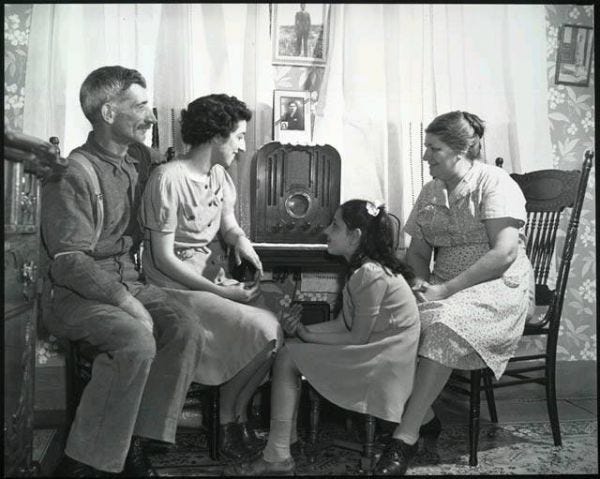
The third paradigm shift changed that. Sound was added as radio allowed our stories to be broadcast to the masses. The human voice and its ability to convey emotion greatly increased our engagement with our audience. Motion pictures, the fourth paradigm shift, added sight to the senses available to the storyteller. The emotions we could evoke in our audience became stronger and the art form took flight.
We are now on the verge of the fifth paradigm shift.
It has long been known the sense of smell is the most closely tied to memories and emotion. Imagine a scene where the writer is trying to portray a family setting at grandma’s house. In addition to just reading a description of the scent of freshly baked bread the reader could actually experience a more direct memory by smelling the bread. This technology has existed for quite some time in the archaic scratch and sniff, but it never made its way into mainstream publishing. The major reasons for this lack of adoption lies in the poor retention of the odors and the invasive nature of generating the smell. Readers have to stop reading and scratch an area of the page leading to a break in the flow of the story. It was also tried with motion pictures by pumping odors into the theater, but the timing and strength variability doomed these attempts.

That was the past. Today, technologies are being developed that allow seamless scent generation, giving an audience access to a wider range of sensory experiences. Like earbuds have allowed us to privately hear sound, devices will soon be available for smelling scents. These are currently being designed in VR headsets but will soon be available in smaller miniaturized “nosebuds”.
Audiobooks and video will be able to interface with these devices and generate odors at the precise time required in the story. Prototypes are available today that are capable of generating over 10,000 distinct odors.
Yes, the storyteller’s toolbox is expanding. As authors, we will be able to bring a more immersive experience to our audience. Like wizards we will conjure emotions and tap memories, taking our readers to new highs and lows, bringing more joy and deeper despair.
At some point though we need to ask ourselves, “How much is too much?” In adding all these physical senses to the art form are we stifling the creativity of our audience? Are we aiding in the zombification of the human race? Are we killing the storytellers of the future?


