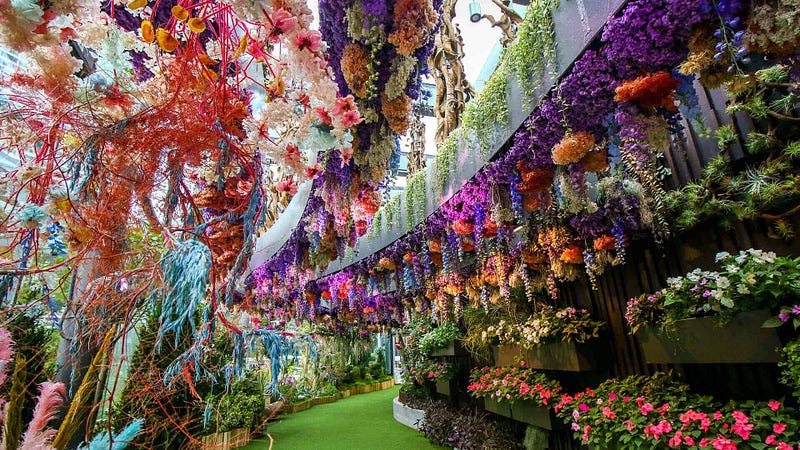
The Evolution of London’s Urban Gardens: From Post-Industrial Spaces to Green Havens
In the heart of London, amidst the bustling streets and towering skyscrapers, a quiet revolution is taking place. Once barren and neglected, the city’s urban spaces are undergoing a remarkable transformation into vibrant green havens. This evolution from post-industrial wastelands to thriving gardens reflects a growing recognition of the importance of nature in urban environments and the resilience of Londoners in reclaiming their green spaces.
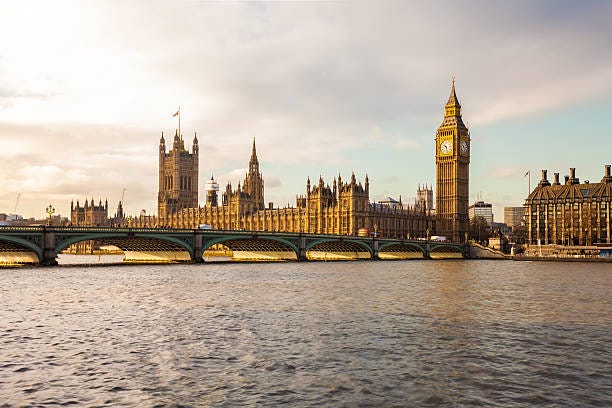
Historically, London’s landscape has been shaped by industrialization, with factories and warehouses dominating vast stretches of land. However, as industries declined and urbanization intensified, many of these areas were left abandoned, scarred by pollution and neglect. Yet, from these ashes emerged a newfound appreciation for greenery and sustainability.
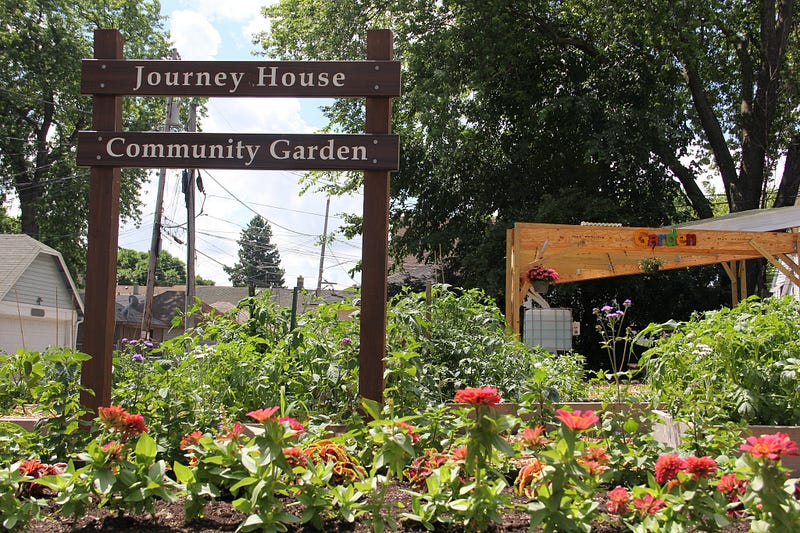
The journey towards urban gardening began modestly, with community initiatives reclaiming derelict plots and turning them into small pockets of greenery. These grassroots efforts, fueled by the passion of local residents, gradually gained momentum, attracting support from authorities and businesses alike.
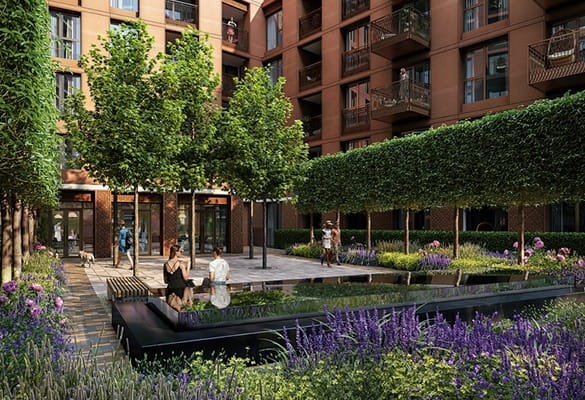
Today, London boasts a diverse array of urban gardens, each with its own unique character and purpose. From rooftop farms supplying fresh produce to local communities, to pocket parks providing tranquil retreats amidst the urban chaos, these green spaces have become integral parts of the city’s fabric.

One notable example of this transformation is the King’s Cross Skip Garden, nestled amidst the regenerated King’s Cross area. What once was a desolate construction site is now a thriving urban oasis, featuring an innovative garden built in repurposed skips (containers). Here, visitors can learn about sustainable gardening practices while enjoying freshly grown herbs and vegetables.
But there are still difficulties. The continued presence of these urban sanctuaries is threatened by financing limits, gentrification pressures, and land scarcity. However, there is hope for the future because of Londoners’ tenacity and will to protect and grow their green areas.
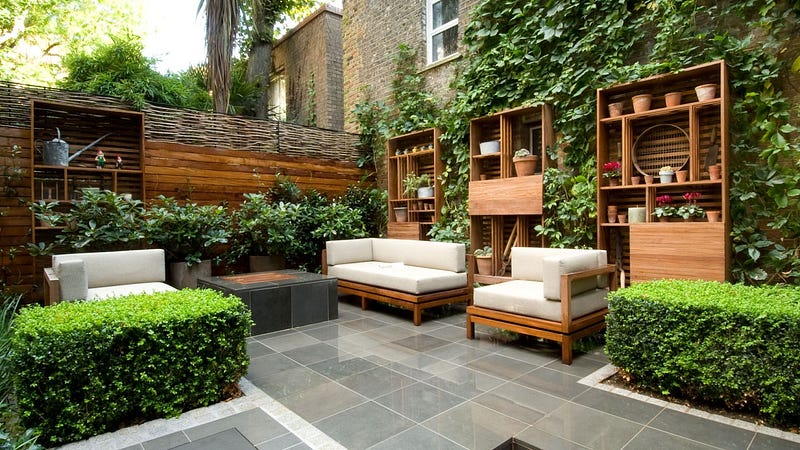
London’s urban gardens serve as a tribute to the ability of nature to revitalise, inspire, and bring people together amidst the unrelenting march of urbanisation. They represent hope, resiliency, and the lasting connection between city people and their surroundings rather than just being isolated green spaces amidst the concrete jungle.