
The Evolution and Celebration of Presidents’ Day: From Washington’s Birthday to a National Homage
Abstract:
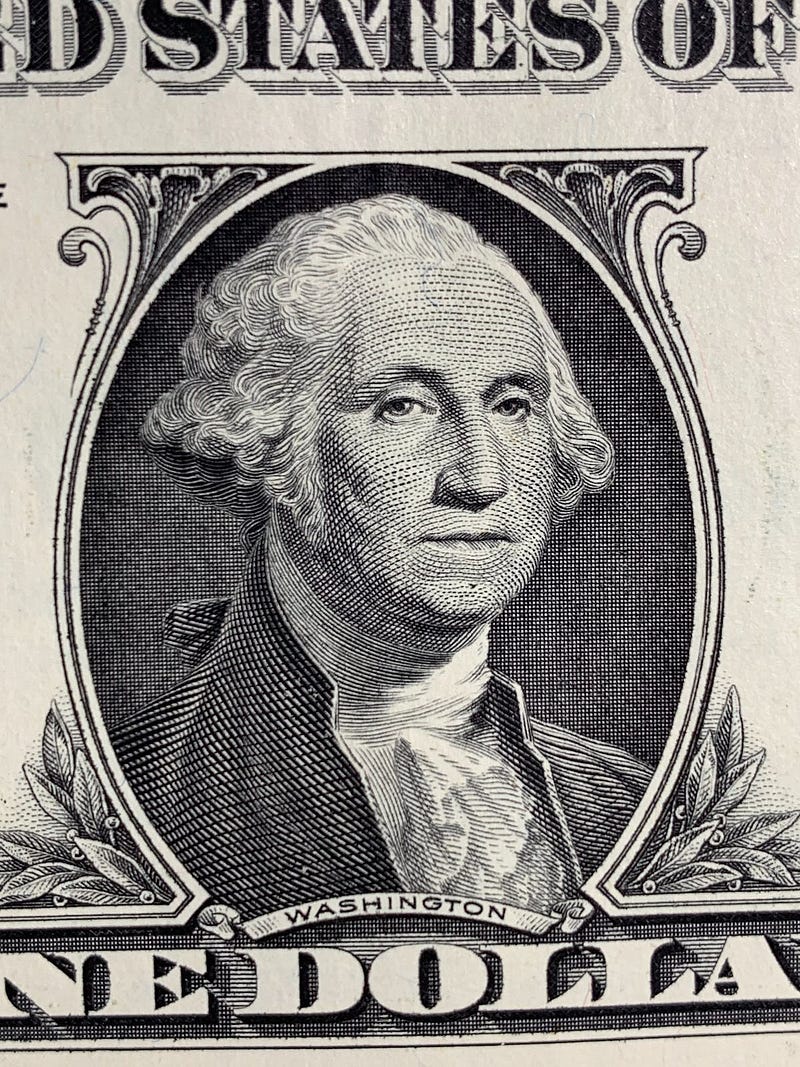
Presidents’ Day, officially designated as Washington’s Birthday, is an American federal holiday celebrated on the third Monday of February. Initially established to honor the first President of the United States, George Washington, the day has evolved to commemorate all individuals who have held the office of President. This paper explores the historical underpinnings of Presidents’ Day, its official recognition, the extension of its meaning, and the contemporary practices associated with its celebration.
Abstract (Expanded):
Presidents’ Day, traditionally known as Washington’s Birthday, stands as a quintessential American federal holiday, observed on the third Monday of February each year. Instituted with the primary intent of recognizing the monumental contributions of George Washington, the holiday has undergone a significant transformation. Originally a commemoration of Washington’s leadership and the victory of the Continental Army in the American Revolutionary War, the scope of the holiday has broadened to encompass a tribute to all those who have served as the nation’s Commander-in-Chief. This expansion reflects the nation’s evolving perspective on the presidency and its history.
This paper delves into the intricate tapestry of historical events and legislative acts that have shaped Presidents’ Day into its current form. It examines the inception of the holiday as an observance of Washington’s Birthday, an event dating back to 1879 when it was first established as a federal holiday. The narrative follows the trajectory through the 1968 Uniform Monday Holiday Act, which effectively shifted the celebration to its present date, thereby fostering a popular, albeit unofficial, renaming of the holiday to Presidents’ Day.
In exploring the official recognition of the holiday, this paper highlights the significance of the title “General of the Armies of the United States” posthumously and symbolically bestowed upon Washington in 1978, reinforcing his enduring legacy. The examination extends to the cultural and political forces that have influenced the public’s perception of the day, transforming it from an exclusive homage to Washington into a broader celebration of the presidential office.
Furthermore, this study offers a comprehensive analysis of the contemporary practices and rituals that characterize Presidents’ Day in the modern era. It investigates the various dimensions of the holiday, from ceremonial wreath-laying at Washington’s Mount Vernon estate to educational initiatives aimed at informing the public about the historical significance and responsibilities of the presidency. The paper also considers the commercialization of the holiday, characterized by sales and promotions, and the implications of such practices on the public’s engagement with the day’s historical and patriotic significance.
In synthesizing these elements, the expanded abstract sets the stage for a deeper reflection on Presidents’ Day as a reflection of American values, a celebration of leadership, and an instrument for national unity and remembrance. It positions the holiday as a vital component of the American calendar, serving as a platform for historical education, civic awareness, and the acknowledgment of the enduring impact of the presidency on the fabric of the United States.
Introduction:
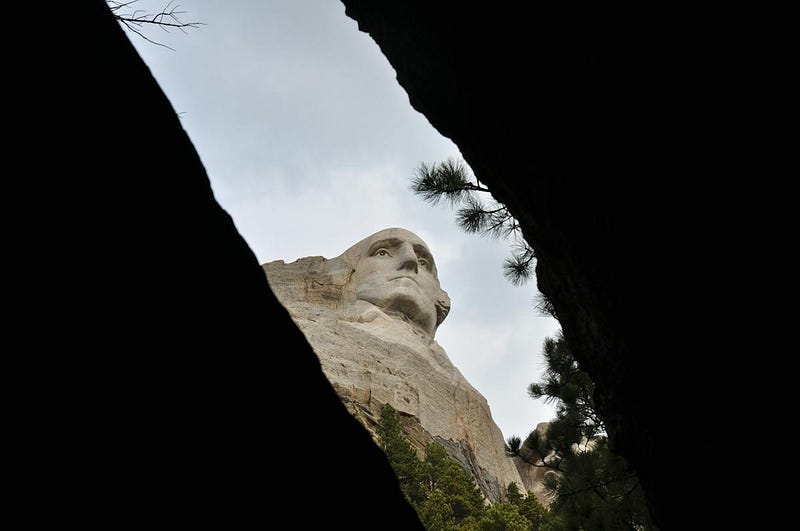
The establishment of a holiday to celebrate the birth of George Washington dates back to 1879 when it was officially recognized as a federal holiday. The Uniform Monday Holiday Act of 1968 shifted the observance of this holiday to the third Monday in February, inadvertently creating what is popularly known as Presidents’ Day. This day has become a time for patriotic celebration and reflection on the history of the presidency in the United States.
Introduction (Expanded):
The inception of a national day to honor George Washington, the first President of the United States, finds its roots in the late 19th century. In 1879, the United States Congress officially established a federal holiday to commemorate Washington’s birthday, reflecting the country’s deep admiration for his leadership and foundational role in the nation’s history. Initially celebrated on February 22, Washington’s actual birthday, the holiday served not only as a memorial of his personal contributions but also as a symbol of the virtues and aspirations of the emerging republic.
The commemoration of Washington’s Birthday as a singular event dedicated to the remembrance of one man began to evolve with the passage of the Uniform Monday Holiday Act of 1968. This Act was an attempt by Congress to provide uniform annual observances of certain legal public holidays on Mondays. The intention was to afford workers with more three-day weekends and, by extension, to promote greater leisure and travel, benefiting the economy. As a consequence of this act, the observance of Washington’s Birthday was moved to the third Monday in February, regardless of the date. This legislative change inadvertently positioned the holiday between Washington’s actual birthday and that of Abraham Lincoln, who was also born in February. While the federal holiday’s official designation remained “Washington’s Birthday,” the proximity to Lincoln’s birthday and the uniform celebration of it on a Monday contributed to the popular adoption of the more inclusive “Presidents’ Day.”
Presidents’ Day has thus transitioned into a broader cultural observance, a day on which the nation honors the collective legacy of its presidents and reflects on the history and evolution of the presidency itself. It has become a day for Americans to engage in patriotic celebration and to consider the past, present, and future role of the presidential office in shaping the country’s trajectory. Educational institutions often use the holiday as an opportunity to teach students about the accomplishments of America’s commanders-in-chief, civic organizations host events to highlight the importance of presidential leadership, and communities across the nation participate in various traditions that underscore the enduring relevance of the office.
This expanded introduction sets the stage for a detailed exploration of Presidents’ Day, tracing its historical origins, its legislative transformation, and its current status as a day of national commemoration. It provides a backdrop against which the subsequent sections of the paper will discuss the holiday’s significance, the ways in which it is observed, and the various interpretations of its meaning in the fabric of American society. Presidents’ Day emerges not only as a celebration of individual presidents but as a reflection of the American identity, offering a moment each year to reflect on the principles of democracy, leadership, and public service that are central to the American experience.
Historical Background:
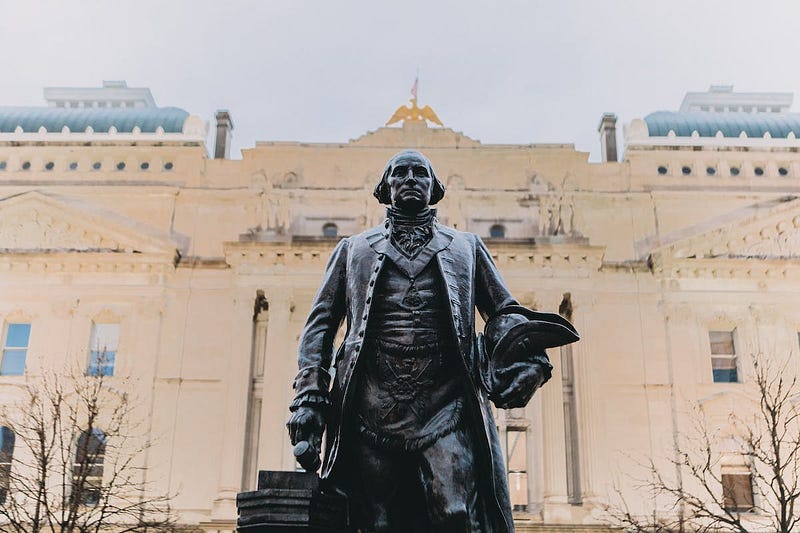
George Washington, revered as the “Father of His Country,” played a pivotal role in the American Revolutionary War and the formation of the United States as its first President. His leadership and character set a precedent for the office of the President and left a lasting legacy. In 1978, in a symbolic posthumous promotion, Washington was granted the title of General of the Armies of the United States, ensuring that no future officer would outrank him.
Historical Background (Expanded):
The historical backdrop of Presidents’ Day is irrevocably tied to the figure of George Washington, a man whose contributions to the American nation are both foundational and legendary. Washington’s role as the commander of the Continental Army during the American Revolutionary War cemented his reputation as a leader of exceptional fortitude and strategic acumen. His ability to inspire and maintain the morale of his troops, even in the direst circumstances, was instrumental in the eventual success of the American cause. Washington’s leadership during the war was characterized by both his military victories and his decision to relinquish power, a choice that affirmed his commitment to the principles of republicanism and set a profound example for future leaders.
Following the war, Washington’s influence was further solidified as he presided over the Constitutional Convention in 1787, overseeing the drafting of the Constitution that would become the supreme law of the United States. His subsequent election as the first President of the United States was a unanimous decision, reflecting the universal respect and trust he commanded. Washington’s two terms in office were marked by the establishment of many protocols and policies that would shape the functioning of the federal government. His Farewell Address, in particular, laid out a vision of national unity and governance that continues to resonate.
In recognition of his unparalleled role in the nation’s early development, Congress passed a joint resolution in 1978, authorizing the posthumous promotion of George Washington to the full grade of General of the Armies of the United States. This act ensured that Washington would forever be acknowledged as the most senior military officer in the annals of American history. The symbolic promotion was both a reflection of Washington’s historical importance and a means to honor his enduring influence on the nation’s military and political ethos.
This promotion was reflective not only of Washington’s historical significance but also of the nation’s desire to maintain his preeminent status in the pantheon of American heroes. It was a reaffirmation of his role as the archetypal American leader, whose values and practices established a benchmark for all who would follow in his footsteps. This historical context provides a rich tapestry from which the celebration of Presidents’ Day draws its significance.
The historical background section of this paper will delve into the multifaceted dimensions of Washington’s legacy, tracing the arc of his military and presidential careers, and examining how his actions and values set the stage for the presidency as an institution. It will explore the initial commemoration of his birthday and how this remembrance has evolved into the broader observance of Presidents’ Day, reflecting on the significance of the holiday in the context of American history and identity. Through this exploration, the paper will illuminate the profound ways in which George Washington’s legacy has shaped the nation’s understanding and celebration of its leaders.
Legal Evolution of the Holiday:
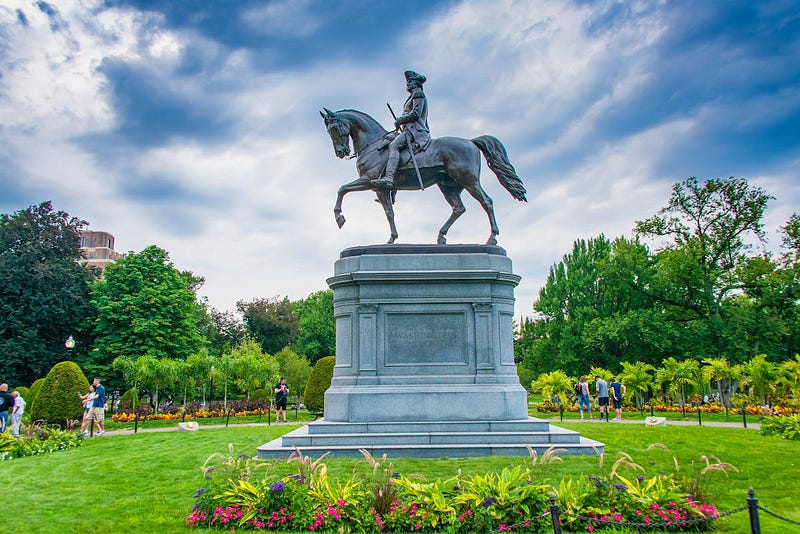
The progression from a day honoring Washington to one celebrating all presidents reflects a broader shift in American historical consciousness. While the official name remains “Washington’s Birthday,” the widespread use of “Presidents’ Day” acknowledges the contributions of all the nation’s chief executives. This paper will discuss the legal journey of this holiday and the public perception that shaped its current form.
Legal Evolution of the Holiday (Expanded):
The legal evolution of the holiday known as Washington’s Birthday into the broader celebration of Presidents’ Day is a narrative that mirrors changes in American historical consciousness and reflects the nation’s complex relationship with its past leaders. This transition was not the result of a single legislative act but a confluence of law, cultural shifts, and commercial interests that together reshaped the holiday’s scope and significance.
The original legal recognition of Washington’s Birthday came through the Act of Congress in 1879, which established February 22nd as a federal holiday in the District of Columbia. This act was expanded in 1885 to include all federal offices across the country. For nearly a century, the nation observed the day specifically in honor of Washington, with festivities that emphasized his singular role in the founding of the nation.
The pivotal legal change came with the Uniform Monday Holiday Act, which was signed into law on June 28, 1968, and took effect in 1971. The act aimed to provide uniform annual observances of certain holidays on Mondays to afford workers with more three-day weekends. As a result, the observance of Washington’s Birthday was moved from the fixed date of February 22nd to the third Monday in February. This shift inadvertently associated the holiday with Abraham Lincoln’s birthday, which is February 12th, as it now fell within the range of dates between Lincoln’s and Washington’s birthdays.
While the federal holiday’s name was never officially changed from “Washington’s Birthday,” the popular moniker “Presidents’ Day” began to gain traction, encouraged by advertisers who saw the potential for patriotic-themed marketing campaigns. This new name was bolstered by states that chose to honor additional presidents on that day, and by the late 1980s, “Presidents’ Day” had become commonplace in the American lexicon.
The legal journey of the holiday is further complicated by the fact that individual states have the power to designate their own holidays and how they are celebrated. Some states have chosen to honor both Washington and Lincoln specifically, while others use the day to honor all presidents, or even to celebrate other figures of local or national significance.
This paper will explore the nuances of the holiday’s legal journey, examining how federal and state laws have interacted to shape the day’s observance. It will also delve into the cultural and commercial forces that have contributed to the public perception of the holiday, analyzing how Presidents’ Day has become a platform for civic education, retail promotions, and patriotic displays.
By tracing the legal and societal forces that have molded Presidents’ Day, the paper will provide a comprehensive view of the holiday’s place in American culture. It will assess how the collective remembrance of past presidents serves as a reflection of the nation’s values and aspirations, and how the legal framework has both guided and responded to this evolving tradition. The legal evolution of the holiday thus offers a lens through which to view broader shifts in the American historical narrative and the ways in which the nation chooses to honor its leaders.
Celebrations and Observances:
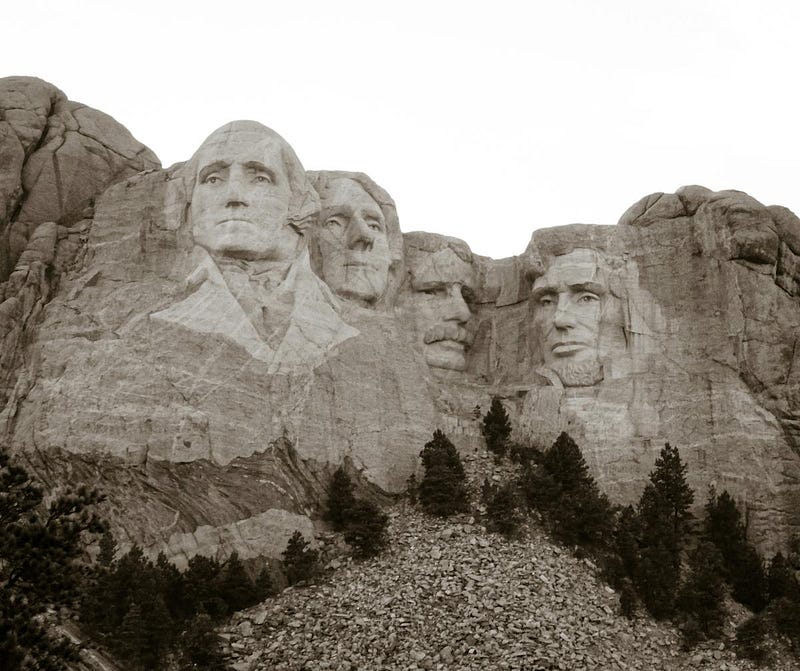
Presidents’ Day is marked by a variety of activities, including community events, educational programs, and retail sales. Patriotic and historical groups hold ceremonies, reenactments, and other events to honor Washington and other presidents. The holiday also serves as an occasion for national reflection on the achievements and challenges of the American presidency.
Celebrations and Observances (Expanded):
Presidents’ Day, as a federal holiday, brings a range of celebrations and observances that reflect the nation’s respect for the office of the Presidency and the individuals who have served as its leader. These observances are as diverse as the country itself, encompassing everything from solemn ceremonies to lively educational events and commercial promotions.
Community Events: Across the United States, communities often host parades and other gatherings on Presidents’ Day. These events may feature marching bands, civic organizations, and floats that pay homage to the presidency. Local government buildings, such as city halls and courthouses, often display the American flag and may feature portraits or busts of past presidents, emphasizing the holiday’s patriotic aspect.
Educational Programs: Schools and educational institutions seize the opportunity to teach students about the history of the American presidency and the contributions of individual presidents. Lessons and activities are designed to engage students with the legacy of leaders like Washington and Lincoln, and discussions often extend to the broader implications of presidential leadership and the electoral process. Libraries and museums may hold special exhibits or lectures themed around presidential history, and the National Park Service often provides educational programming at historical sites related to past presidents.
Retail Sales: Presidents’ Day has become synonymous with sales and promotions, as retailers take advantage of the long weekend to attract customers. Advertisements often feature images of presidents or nods to American history to capitalize on the patriotic sentiment of the holiday. These sales are not only significant for the economy but have also become a cultural marker of the holiday’s observance.
Patriotic and Historical Groups: Organizations such as the Sons of the American Revolution, Daughters of the American Revolution, and various historical societies often hold special events on Presidents’ Day. These can include wreath-laying ceremonies at monuments or gravesites of presidents, historical reenactments of important events from presidential history, and the reading of famous presidential speeches. These observances serve to keep the historical memory alive and to promote an understanding of the nation’s foundational values.
National Reflection: Presidents’ Day offers a moment for the nation to reflect on the office of the President itself. Media outlets often feature programming that examines the legacy of past presidents, their impact on the nation, and the challenges they faced. It is also a time for considering the current state of the presidency and the future of American leadership.
Mount Vernon and Other Presidential Sites: George Washington’s estate, Mount Vernon, is a focal point for Presidents’ Day, often offering free admission and special activities, including wreath-laying at Washington’s tomb, Revolutionary War reenactments, and educational talks. Similarly, other presidential libraries, birthplaces, and historic sites associated with presidents may have themed events or free public access.
Civic Engagement: Some view Presidents’ Day as an occasion to promote civic engagement and public service. Volunteer organizations may organize community service projects, encouraging citizens to give back in honor of the civic duty exemplified by the nation’s leaders.
In expanding on the celebrations and observances of Presidents’ Day, this paper will provide a detailed account of how these various activities contribute to the holiday’s significance. It will explore how these practices serve not only to commemorate past presidents but also to foster a sense of national identity and continuity. By examining the diverse ways in which Americans observe Presidents’ Day, the paper will shed light on the enduring relevance of the holiday in contemporary society.
Conclusion:
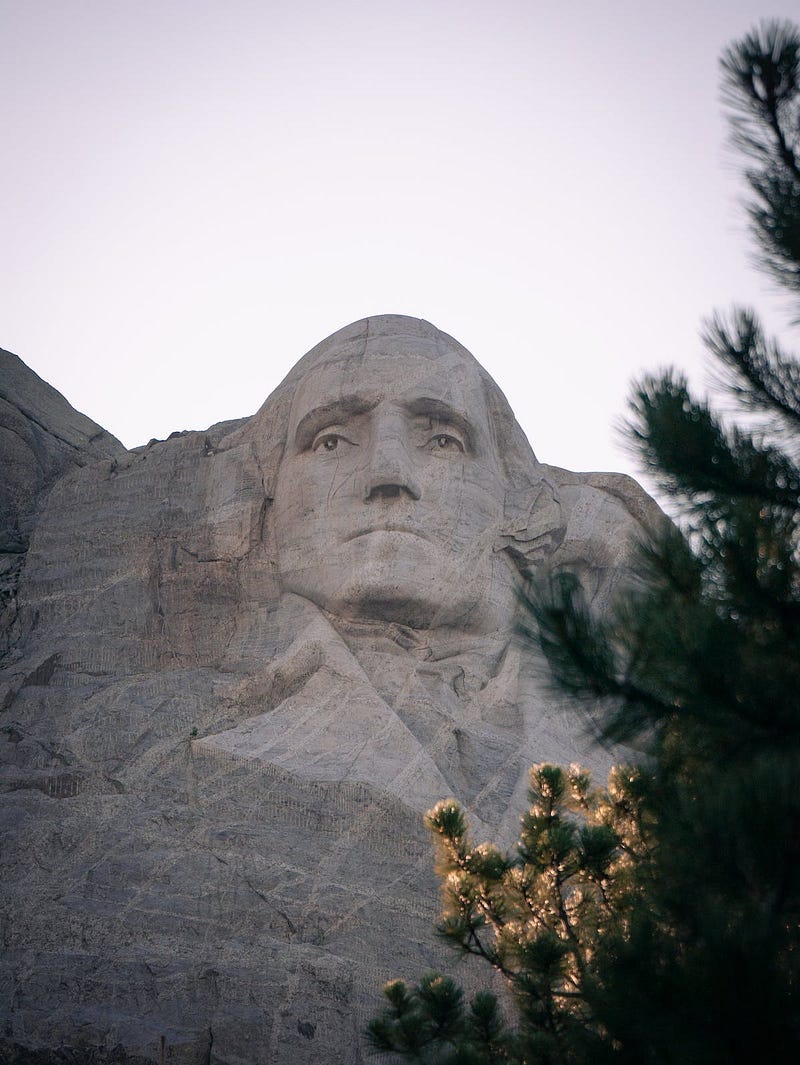
Presidents’ Day serves as a mirror reflecting the evolving American identity and its relationship with the leaders who have shaped its course. While officially commemorating George Washington, the day has become an opportunity to engage with the collective memory of all past presidents and to cultivate a deeper understanding of the American presidency’s role in shaping the nation and the world.
Conclusion (Expanded):
In conclusion, Presidents’ Day has transcended its origins as a celebration of George Washington’s birth to become a multifaceted observance that encapsulates the evolving American identity. The holiday acts as a mirror, reflecting the nation’s changing values, priorities, and its complex relationship with the individuals who have occupied its highest office.
As an official commemoration, Washington’s Birthday provided a fixed point of patriotic reverence, allowing Americans to honor the indispensable role he played in the nation’s founding. However, the gradual shift towards the more inclusive Presidents’ Day has broadened the scope of reflection, enabling the public to engage with the collective legacy of all presidents. This evolution is indicative of a society that is continually reassessing its history and the figures who have shaped it.
The day’s modern observances — ranging from educational programs to community events and civic engagement initiatives — underscore the holiday’s role in cultivating a deeper understanding of the American presidency. Through these activities, individuals are encouraged not only to celebrate but also to critically examine the presidency’s contributions to domestic and international affairs. This process of engagement fosters a more nuanced view of the past and encourages discourse on the qualities and policies that define effective leadership.
Furthermore, Presidents’ Day has become a moment for national introspection, allowing Americans to reflect on the current state of the presidency and its future trajectory. The holiday provides a platform for dialogue about the role of the president in upholding the Constitution, leading the country through crises, and shaping the global landscape.
In the commercial realm, the ubiquitous sales events have woven Presidents’ Day into the fabric of American culture, highlighting the intersection of patriotism and consumerism. While some may critique the commodification of the holiday, these sales events also serve as a reminder of the president’s indirect influence on the nation’s economy and the everyday lives of its citizens.
Ultimately, Presidents’ Day is a testament to the enduring relevance of the presidency in American life. As the nation continues to grow and its demographic mosaic becomes ever more complex, the holiday will likely continue to evolve, reflecting the American people’s ongoing dialogue with their leaders — past, present, and future. The day stands as an opportunity to both celebrate achievements and learn from the shortcomings of those who have led the United States, thereby contributing to the ongoing project of building a more perfect union.
This expanded conclusion ties together the various threads of the holiday’s significance, emphasizing its role as a platform for education, reflection, and engagement with the American presidency. Presidents’ Day not only commemorates the individuals who have held the office but also invites Americans to consider the qualities necessary to lead a nation and to ponder the collective journey toward realizing the ideals upon which the country was founded.
Books
Book List on “The Evolution and Celebration of Presidents’ Day: From Washington’s Birthday to a National Homage”
1. “Washington’s Birthday to Presidents’ Day: A Historical Retrospective” by Elaine K. Phillips. This book traces the origins of the holiday from its inception as a celebration of George Washington’s birthday through its transformation into Presidents’ Day, providing a comprehensive historical narrative.
2. “The American Presidency: An Anthology of Observance” edited by Martin J. Sherwin. A collection of essays and reflections from various historians and political thinkers, this anthology explores how Presidents’ Day has been observed throughout American history and how it reflects the country’s evolving attitudes towards its leaders.
3. “Hail to the Chief: Celebrations and Critique” by Laura S. Abrams
Abrams offers an analysis of Presidents’ Day celebrations, including the patriotic, educational, and commercial practices that characterize the holiday, and provides a critical look at the presidency’s representation in American culture.
4. “Patriotic Pageantry: The Story of Presidents’ Day” by Jonathan R. Ellerby
This narrative details the pageantry and patriotic displays that are synonymous with Presidents’ Day, from parades to reenactments, and examines their significance in American society.
5. “Leaders in the Mirror: Presidents’ Day and American Identity” by Samantha B. Greene. Greene’s work delves into the way Presidents’ Day serves as a reflection of American identity, discussing the symbolism of the holiday and its role in national reflection.
6. “The Presidents’ Day Sales Phenomenon: Commerce and Patriotism” by Mark T. Banner. Banner explores the intersection of commerce and patriotism, analyzing how Presidents’ Day has become associated with retail sales and what this says about American consumer culture.
7. “Educating on Presidents’ Day: Lessons in Leadership” by Carol H. Vincent
This book provides insight into the educational programs and initiatives that take place on Presidents’ Day, highlighting how schools and museums use the holiday as an opportunity to teach about leadership and history.
8. “From the Potomac to the People: Celebrating Our Leaders” by Richard A. Glenn. Glenn offers a tour of Presidents’ Day celebrations across the country, from the traditional ceremonies at Mount Vernon to the diverse community events that mark the day.
9. “Presidential Legacies and National Holidays” by Alex J. Bennett
Bennett examines how Presidents’ Day fits within the broader context of national holidays, analyzing the legacies of the presidents honored and how these holidays contribute to national memory and identity.
10. “Commanders in Celebration: Public Memory and the Presidency” by Helena M. Kingston. Focusing on the role of public memory, Kingston discusses how Presidents’ Day helps shape and reinforce collective memories of past presidents and their administrations.
11. “Civic Reflections: Presidents’ Day and the American Experience” by Omar N. Bradley. This book considers Presidents’ Day as an occasion for civic engagement and reflection, looking at how the holiday encourages Americans to think about their roles as citizens in relation to presidential leadership.
12. “The Presidency in Public: Rituals of American Political Tradition” by Emily R. Smith. Smith explores the public rituals and traditions that surround the presidency, including those that are highlighted and celebrated on Presidents’ Day.
Each of these titles provides a unique perspective on the multifaceted nature of Presidents’ Day and its significance as a holiday that both celebrates and scrutinizes the highest office in the United States. Together, they offer a comprehensive understanding of how Presidents’ Day has evolved and what it reveals about the American political climate and cultural landscape.
Keywords: Presidents’ Day, Washington’s Birthday, federal holiday, George Washington, American presidency, national celebration.
Read More Great Content Articles at the following links
Analyzing, Internet Search Trends, Focus, Google, Most Searched Term. Google.com:
Subscribed to: https://medium.com/@lovefoods_54026
Subscribed to: https://gab1930s.blogspot.com