
The ethics of using real estate as an “investment”
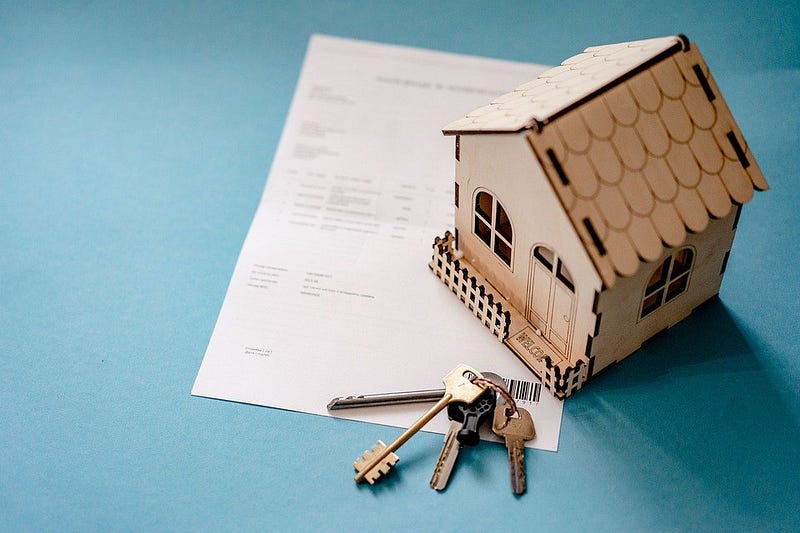
Is investing in real estate ethical? I know this is a sensitive topic and can bring out a lot of strong emotions in people, but hear me out first. Before I get started, I want to get something straight. I’m not referring to someone who has one or two different properties and rents them out for some money. I’m not referring to someone who rents out their basement to help pay the bills. I’m referring specifically to individuals and corporations that use real estate as a means of investment.
When someone buys a home with the sole purpose of renting it out and making a return, they are using their capital to purchase and hoard an essential need for human survival.
Dwell on this thought a little bit. Let’s look at some basic human needs apart from shelter. There’s food, clothing, water, electricity, and probably the internet these days. None of these things is free, and I’m not arguing they should be. Someone creates these commodities, and the free market decides the price of each item. However, none of these basic needs is used as “investments.” Sure, you can invest in a food company or a power company. But these industries are highly regulated, and growth is often slow and steady. No one invests in these companies for “hoarding” these commodities.
On the other hand, residential real estate, aka shelter, is the only essential need that can be hoarded and purely used as an investment. Here comes the question of ethics. Is it ethical to collect real estate and rent it out to people who can’t afford to buy it? Simply because one person has the capital to buy this essential need, can they be allowed to buy as much of it as they want?
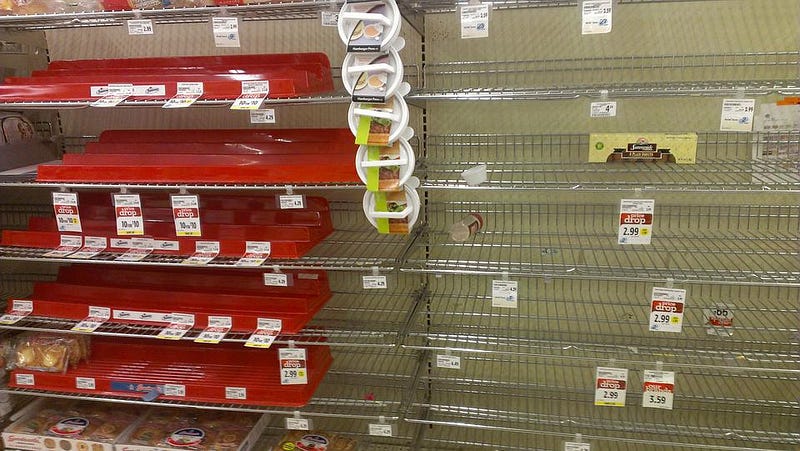
Let me give you an analogy with another essential need. In a small town, imagine there is only one grocery store. Let’s assume one wealthy person goes to this store and buys up the entire supply of bread in that store. Now all the residents of that town have to go to this individual to buy their bread. He is free to charge them as much as possible and can price things without regulation. Is this legal in today’s society? It might be. But is it ethical? Most people would say No.
This is precisely what happens with shelter in today’s society. And what is worse is that these so-called “investors” buy properties at your expense! Let’s look into this a little deeper. Most, if not all, real estate investors use debt to buy property. Banks often provide this debt at very low-interest rates. How do banks get all this money to lend out to these investors? The government prints this money and lends it out to these banks! This works great for the asset-owning class. All their assets are worth more, and they can easily take out secured loans to buy even more assets. However, for the working class, this is terrible news. The more money printed, the more the price of everything goes up, aka inflation.
So in a way, inflation benefits the asset holding class and dramatically harms the working class. Thanks to rampant inflation, real estate investors have seen historic profits in the last two years. However, the working class finds it impossible to afford an average or even a below-average home. This has created a generation of renters who may never be able to buy a home in their lifetime.
Investors went into a buying frenzy during the pandemic and snapped up residential homes. Bidding wars are common now, and every home in the market is bombarded with multiple offers. The real estate investor has an edge in this bidding process. Since he has equity ( in other houses), he can get a secured loan for higher amounts and better interest rates. However, the working-class person can only get an unsecured loan.
In simple terms, the investor class is given a loan based on their assets, but the working class is offered a loan based on the promise of their future labor.
Let’s look at an example. There is a house listed for 400000 dollars. We have two people who are interested in this house. One is a real estate “investor” with multiple properties and wants to add to his portfolio. The other is a single mom who has toiled day and night to save up for a down payment and is giving her best shot at trying to build some wealth.
The investor doesn’t care who he is outbidding. He can offer a much higher amount than the asking price to purchase the property. To him, this is a pure business transaction. But to the single mom, this is a struggle and an uphill battle that she may never win. As time passes, the investor can accumulate more and more properties using leverage from other properties. If the market becomes saturated, he can move the money to a different market ( different regions) and purchase more homes to rent out. This snowball effect pushes the cost of housing up even higher everywhere. The increase in the housing price is of great benefit to him since that means more and more permanent renters( aka customers) that will come to him for housing.
The problem is not these “investors” themselves but the system that enables this. The system is set up to reward the asset class with more assets, and the working class has to work even harder to maintain their current standard of living. The money that the government prints is unfairly distributed to the asset class at ridiculously low-interest rates to accumulate even more assets.
Do this thought experiment if you are a real estate “investor” putting a bid on your next property. If you could put a face to the people you are outbidding and knew their story, would you still do it? They probably worked years to save for that downpayment, and all you had to do was go to the bank and get a HELOC loan. To you, it’s just an addition to your portfolio. To them, this may be their only chance of building any wealth in their lifetime. Would you still do it?


