
The Ethics of Travel in a Police State
Should I have traveled through Tibet and Myanmar or boycotted these places?
With the global rise of autocracy, populism, nationalism and migrant backlash, I look back at my travels to two very closed and repressed societies and whether having been there helped or hindered the local people victimized by their governments.
Was my presence in these two countries enabling their governments to continue their repression or was my being there a respite for the people? The ethics around this are certainly complicated for any globetrotter thinking of the journey.
My first experience traveling to a closed autocratic society was in the summer of 2000 when I went to China with my two sisters. I was in a one- year MBA program at Emory University’s Goizueta Business School. As an amateur historian and obsessed traveler, China had been on my bucket list for some time. The country was newly opening up for business, global trade and travel.
No one could stop talking about China back then as many of us living in Western countries believed the exchange of ideas, people, and trade would make the country more democratic and integrate them into the community of nations. In my business school, we had a large group of students studying with us from China and it was often a topic in international business courses. As an internal optimist, I believed it was a perfect time to visit the country.
I will probably save the actual experience of traveling within the historic Han Chinese parts of China where I didn’t observe much repression first- hand, but focus instead on the seven days, I spent in Tibet.
When my sisters and I were making travel arrangements, it happened that an in-law American relative was already living in China for work and so helped with the travel arrangements. While we could have traveled around China independently, we chose a personalized tour since I had strong points of view on where I wanted to travel to within China and we only had three weeks. However, for travel in Tibet, we had to go on a pre-arranged Chinese tour and so we readied for our seven days instead of seven years in Tibet!
Previous to our trip, there had been protests in Tibet and there had been recent crackdowns of the populace. The first thing I noticed the minute we arrived in Lhasa airport were the number of military airplanes and soldiers around, a very different scene from Beijing or X’ian. The other thing I noticed was the abject poverty everywhere — worse than anything I had seen in other developing Chinese cities. Lhasa sits on the great Tibetan plateau and so even if your eyes tell you that you are on flat ground, you are actually at 12,000 feet (3,650 meters) above sea level and you start to feel the altitude almost immediately.
Our tour guides made it very clear that we needed to drink lots of water and often to avoid altitude sickness. During our seven days, we had a tour group made up of about twenty-five Chinese and four Americans. We learned quickly the Chinese tourists came from the higher echelons of society. Our tour guide kept us very far away from the local Tibetans. The only interaction we had with locals were our tour guide, those begging for money and the one Tibetan monk who spoke with me in English.
I knew very well before the trip not to engage with the citizens in public. As a police state, any criticism of the government or even perceived interaction with foreigners regardless of the topic could bring unwarranted repression onto the local populace.
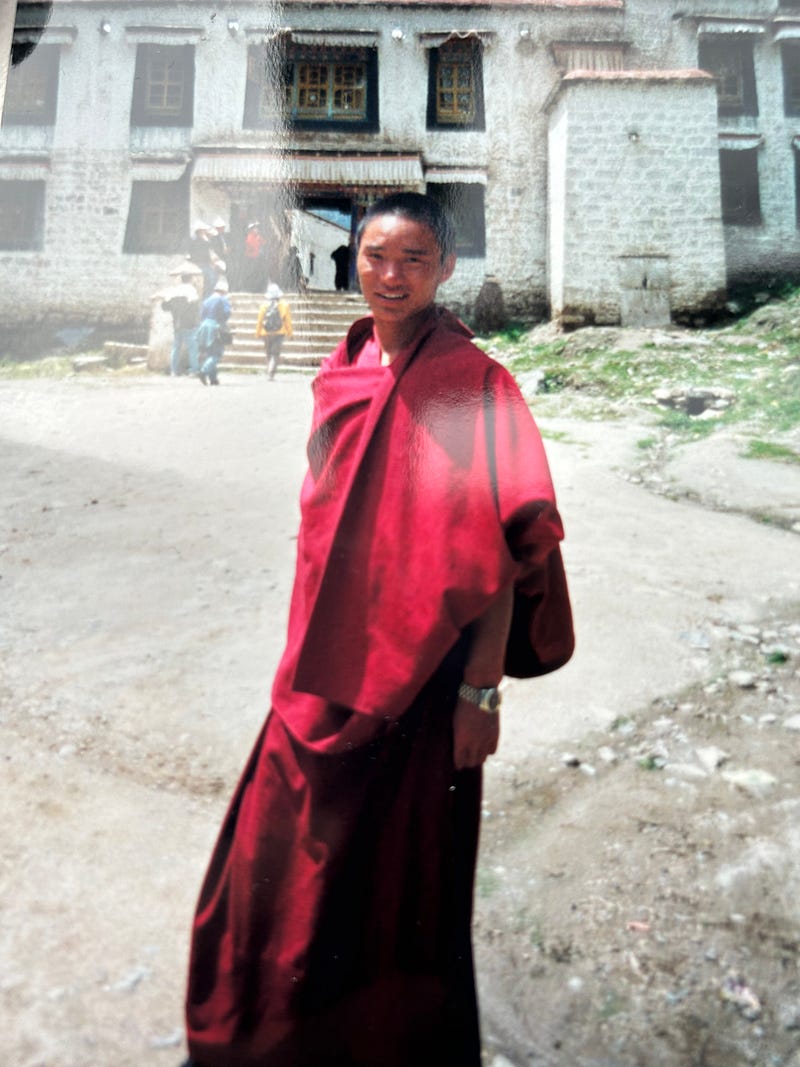
At one of the monasteries, a monk came over to me and started to criticize the Chinese authorities and tell me about the results of the crackdown. I listened for a couple of minutes to his whispers while looking around me to see if anyone was watching or listening. I quickly left him, not because I was not sympathetic to his plight but because I didn’t know who around me that I could trust to not speak against us to the authorities. It was an awkward seven days but the beauty of Tibet more than made up for the uncomfortableness of the situation.
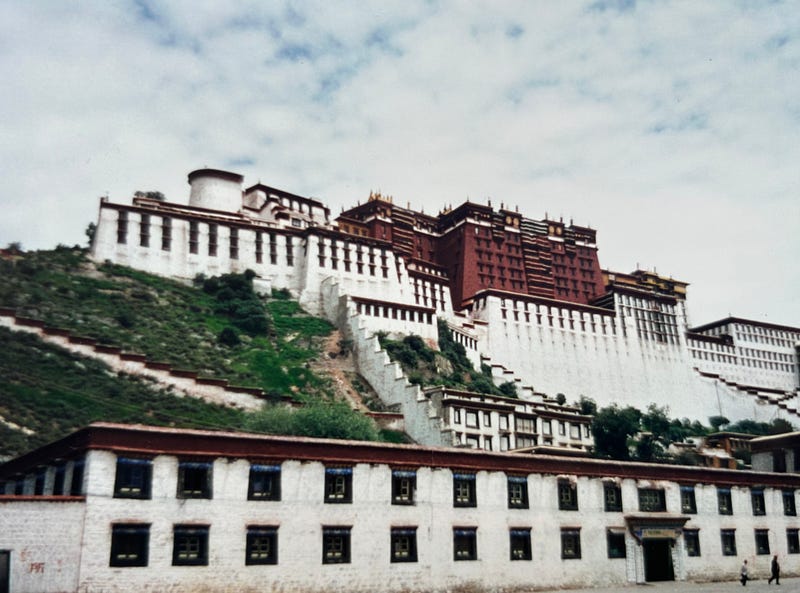
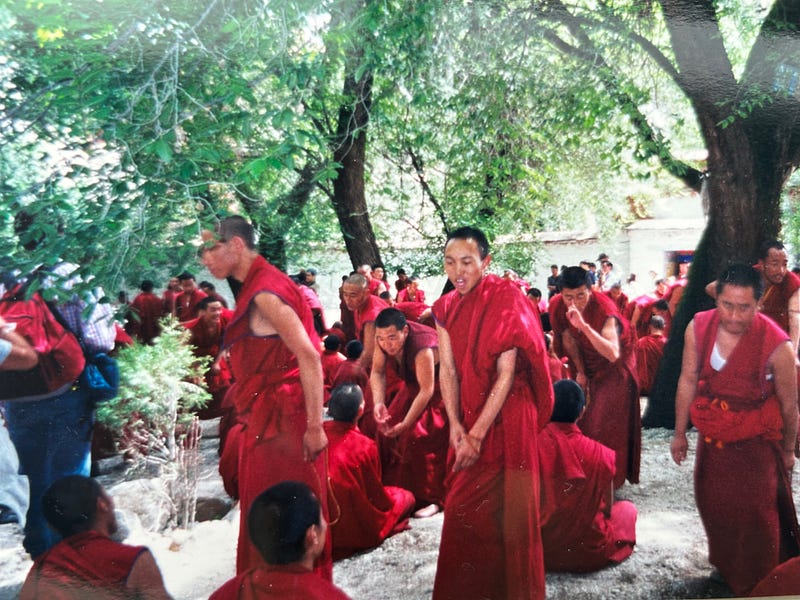
Everything from the Potala Palace, the Monasteries, and the Himalayan mountains shined through the dark feelings of repression all around. I still had the opportunity to learn about Tibetan Buddhist culture, witness a police state and see the impacts of recent colonialism (Tibet became a Chinese colony only in 1950) on both the oppressor and the oppressed.
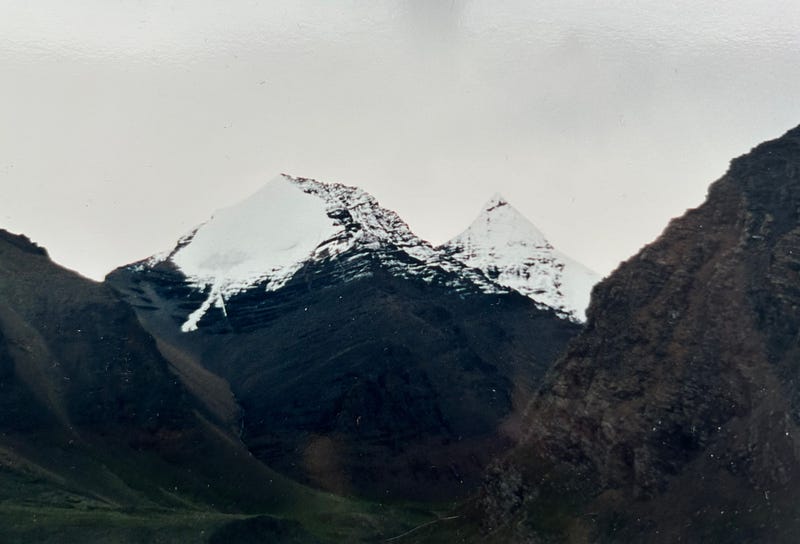
A good example of the oppressor behavior I witnessed, was how many of the Chinese tourists in our group did not respect the beauty of the land. On our tour of the Himalayan mountains, we stopped to eat lunch boxes overlooking a beautiful mountain glacier. After lunch, the Chinese tourists left their lunch boxes and other garbage everywhere. My sisters and I not only picked up our boxes but also helped the tour guide to pick up the garbage of everyone else. I believe that lack of respect for a beautiful country and people bothered me the most from that trip.
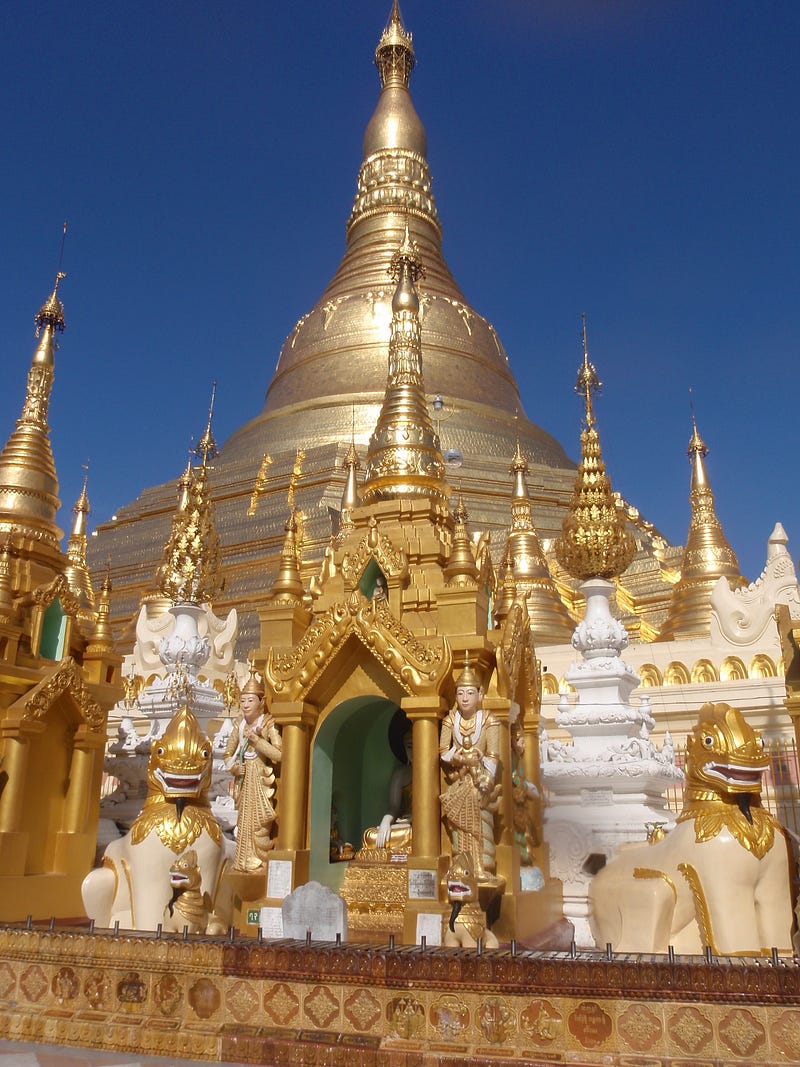
Years later in the mid-2000s, the junta government opened Myanmar’s doors to the world, and I decided to take a short stop there while on my way to scuba diving in Komodo, Indonesia.
My experience in this police state had some similarities and differences from Tibet. While I could travel around Myanmar as a solo traveler without interference from the authorities, I still saw the lack of candor in the Burmese citizens and the abject poverty I had witnessed in Tibet.
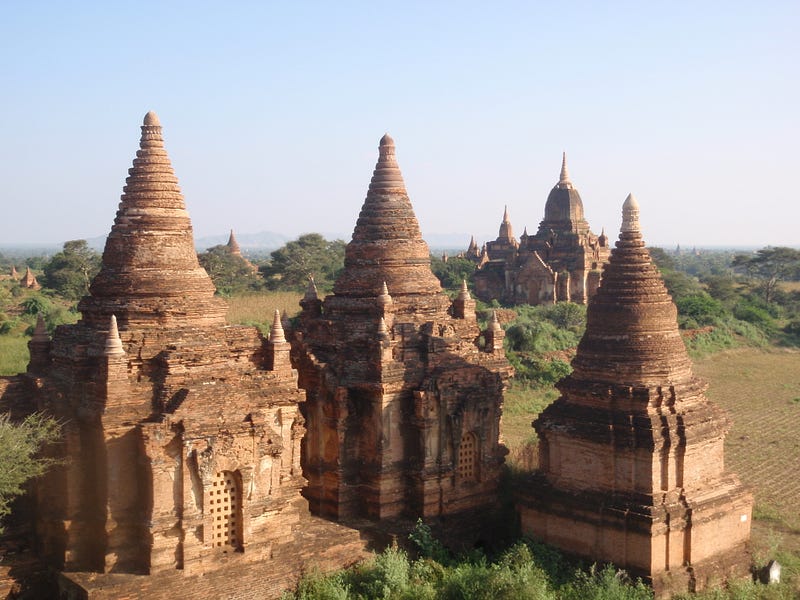
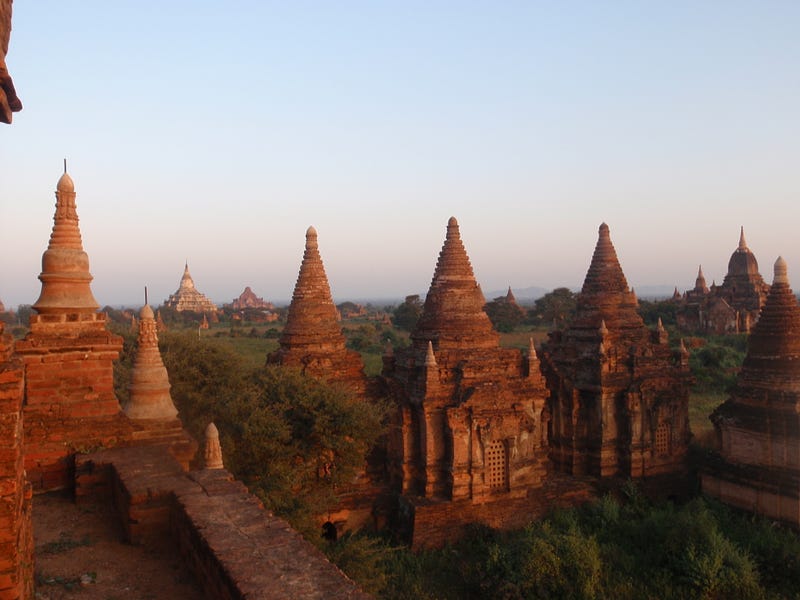
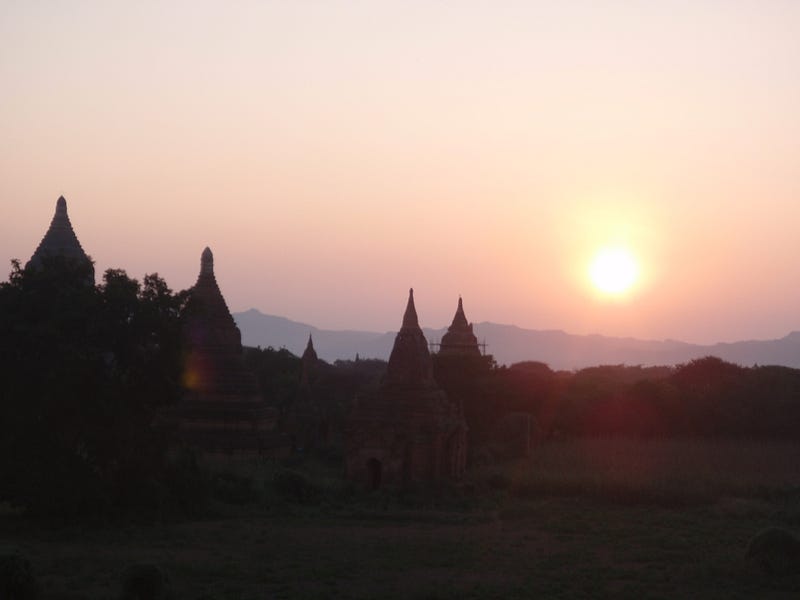
While visiting Yangon and Bangan, I experienced some minor inconveniences of traveling in a restricted country, but it was nothing considering the difficulties of daily life for the local people. Myanmar has an old and rich history not to be missed which can be enjoyed over a few days in Bangan.
I will never forget my one irony or inconvenience from the trip. Even though I read upfront that the country was a cash society and credit cards may not work, others suggested credit cards could be used at the better hotels. So I brought a mix of cash and credit cards with me while booking at the finer hotels. When I arrived at my first hotel, they informed me that their credit card machine did not work, and it would be the same across the entire country. Luckily, I had had the experience as a budget backpacker, immediately downgrading my hotels and putting myself on a USD$30 a day budget.
On my last day in Myanmar, I had lovingly held onto my last USD$10 that I had put away at the beginning of my trip. It was required upon exiting from Myanmar at the airport. When I gave it to the Burmese immigration agent, to my horror, he refused to take it because it had been folded. Other than the USD$10, I had Burmese currency, British pounds and Singapore dollars. I showed him all of my currency in distress of what to do next. I couldn’t miss my flight!!
He looked at all my currency and took the Singapore $20 in exchange for my freedom. I couldn’t have been happier to make it through immigration and customs to my next destination in Indonesia, reminding me to travel with more U.S currency next time I visit a closed country.
Now going back to the ethics of traveling to each of these countries. Was I complicitly supporting these despotic nations by providing them with hard currency and propping up their tourism industry? Or was I giving myself the opportunity to learn more about what life is like in a police state and why it is so important to fight against them? Was I also giving the people in those countries the chance to earn a living and maybe see for a short moment that someone outside their country thought about them and their suffering?
I will let you be the judge.


