
The Ethical Dilemmas of Renewable Energy Development
As someone deeply passionate about the promise of renewable energy, I’ve often found solace in the simplicity of our efforts — recycling, reducing waste, and minimizing our carbon footprint. Yet, as I’ve become more educated on the issue of renewable energy, I’ve also come to realize that this issue is anything but simple. It is fact, a world filled with contradictions and ethical complexities that challenge the very core of our intentions.
Before I go further, let me just say that I am hugely behind the development of renewable energy sources. However, critical analyzis of the risks of issues is, in my view, also absolute necessary, and sometimes apparently missing for some of the projects I’ve become aware of over the years now. And that’s a real problem.
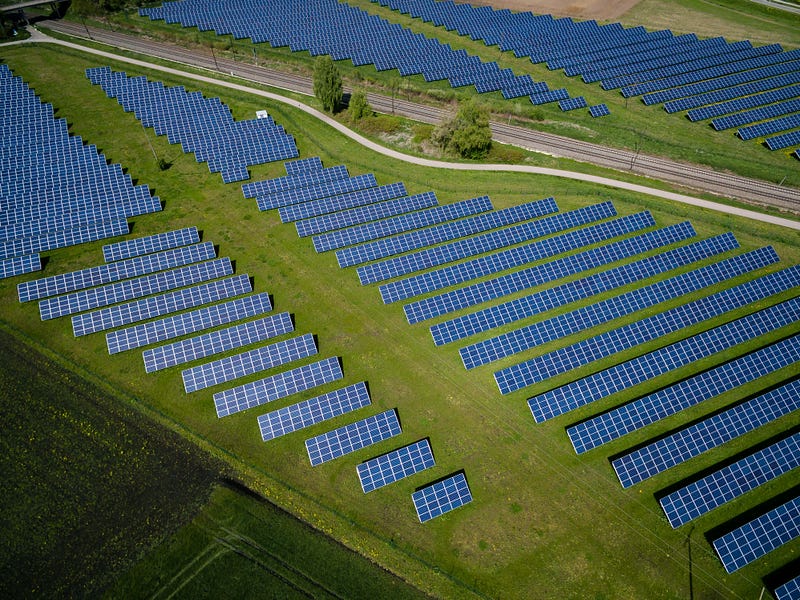
One of the most pressing dilemmas lies in the balance between environmental sustainability and the social impact of renewable energy projects. Large-scale solar farms and wind projects, for example, require significant land use. In some cases, this has led to the displacement of communities, the disruption of local ecosystems, and conflicts over land rights. How do we reconcile the need for clean energy with the rights and livelihoods of those directly affected by these projects?
And the production of renewable energy technologies often hinges on the mining of critical minerals — lithium, cobalt, and nickel — elements which are central to the batteries that store green energy. The extraction of these minerals raises profound ethical questions regarding labor practices, environmental degradation, and the geopolitical tensions they exacerbate.
Workers in mines, for example, particularly in regions where regulatory oversight is lax, face perilous conditions with inadequate safety measures, long hours, and meager wages. The stories that emerge from these mines speak to a harrowing cost of progress, and one that demands our attention and action.
The environmental degradation that accompanies the mining of these essential minerals can also be of concern. That is, the process of extracting lithium, for example, involves large volumes of water, which as we know is a resource already scarce in many parts of the world. This extraction then threatens local ecosystems, diminishing water supplies essential for communities, agriculture, and wildlife.
Related to this, we also see the destruction of habitats, as well as pollution — consequences that are often irreversible and raise questions about the true sustainability of renewable energy sources derived from such practices.
Beyond the immediate environmental and social impacts, the mining of critical minerals also oftentimes stokes geopolitical tensions, adding a further layer of complexity to the ethical dilemmas at hand. This occurs because resources are not evenly distributed across the globe, which in turn leads to a concentration of power and wealth in certain countries. This imbalance creates a competitive scramble for resources, reminiscent of historical colonial exploits for oil, gold, and spices.
Nations rich in these minerals find themselves in a powerful bargaining position, which can lead to international conflicts, exploitation, and the perpetuation of inequalities. The global north’s reliance on the global south for raw materials in effect, perpetuates a cycle of dependence and exploitation, challenging the ideals of equity and justice that underpin the vision of a renewable energy future.
The intertwining of labor, environmental, and geopolitical issues paints a complex picture of the ethical issues surrounding renewable energy, and it compels us to look beyond the surface benefits of green technologies — to consider all the impacts of their development.
As advocates for a sustainable future, the responsibility lies with us to advocate for practices that not only mitigate environmental impact but also promote fair labor conditions and the creation of global cooperation. This involves supporting initiatives that aim for transparency in the supply chain, investing in technologies that reduce environmental harm, and advocating for policies that ensure equitable distribution of resources and benefits.
Addressing these ethical dilemmas requires a collective effort, and a recognition that the path to sustainability is not just about the end goal but about the means by which we achieve it.
And at its heart all of these issues challenge us to think about the sustainability of our sustainability efforts.
The transition to renewable energy, while imperative, also risks leaving behind communities dependent on traditional energy sectors. Coal miners, oil rig workers, and countless others face an uncertain future as the world shifts towards green energy. The ethical imperative to support these communities through retraining programs, economic diversification, and social support mechanisms is as critical as the environmental goals driving the transition.
In navigating these waters, our family has learned that the pursuit of renewable energy is not just about adopting green technologies but about engaging with the world in a more thoughtful, ethical manner. We need to recognize the interconnectedness of our actions and their ripple effects across communities, economies, and ecosystems. For our family, this realization has deepened our commitment to not only champion renewable energy but to do so with a keen awareness of the ethical issues we are also traversing.