
The Essential Steps of Overcoming Any Addiction
You might be thinking, “Damn, this article is way too long.” Well, I got news for you: so is recovery.
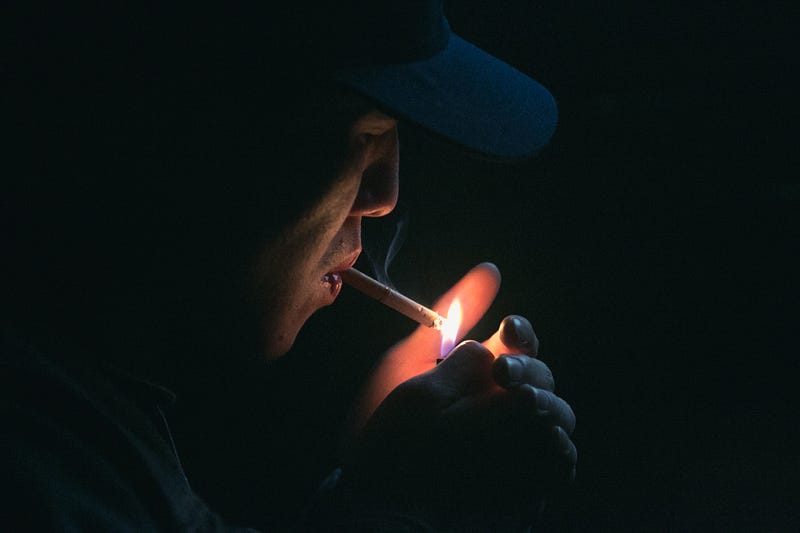
Most people would narrow down addiction to dependence on a substance such as nicotine, drugs, alcohol, or even prescription medicine (for some reason, Dr. House popping Vicodin surfaces in my mind). What is often hard to grasp is that addiction could be in the form of behavior, such as sex, gambling, and eating disorders.
I have heard several people telling addicts to stop performing the activity they’re doing or have more ‘self-control.’
Still, the science behind addiction has never, not once, established that self-control is a factor in why we fall into the horrible, monotonous cycle of self-harm through these activities.
Background
My experience with addiction painted itself in distinct ways through different phases of my life. It started with Anorexia Nervosa when I was an 11-year old knocking on puberty’s door. It slowly gave into the thunderous pit in my stomach, screaming at me, demanding me to eat something.
Slowly but surely, I developed Bulimia Nervosa. This unfortunate shift happens more often than one would think; food is an integrated part of our biological clock.
What happens is while you’re starving yourself, your body thinks you are currently in danger and works efficiently despite the low amount of food you’re feeding it. It switches to survival mode.

However, sooner or later, in weeks, months, or even years, your biological need for food will take over. It is when someone falls into the grasp of bulimia. Your body wants to eat non-stop to make up for the deficit you have put it in, while your mind starts to have a mini panic attack. Unfortunately, this is the dilemma I faced. The empty promise that bulimia would be the marvelous cure to my problem.
Only If I knew.
This habit stuck around for six years and was the source of the unhappiness I was drowning in. A sore throat, pimples on my face, feeling sluggish, and horrible self-image. During my second year in university, I found out I could replace this bad habit with another, less detrimental one — or so I thought. What then started was an addiction to cigarettes. Granted, I have tried one or two in the past, but I never truly enjoyed it. However, this time was different. For some reason, my body was craving the self-sabotage I was inflicting on myself.
Yes, addictions are another form of self-harm.
The outcome was not great. My mind found a way to work around both of these addictions, and they became interchangeable. Unfortunately, what preceded was two years of sinking lower and lower into the devastating pain I was now swimming in.

Now a fundamental truth I have learned by sharing my experience, some events in someone’s life often trigger addiction. It is more prominent in people who have the genetics for the tendency of addiction.
Understanding Addiction
First of all, let’s agree that addiction is not a matter of personal weakness, self-gratification, or unwillingness to stop. However, medical and scientific communities have decided that many people engage primarily in addictive behaviors to escape discomfort and the bombardment of thoughts. It does not necessarily stem from the simple craving for pleasure since most addicts keep on engaging in the activity long past the initial reward their brain experiences.
Five years ago, addiction experts started to move away from the notion that addictions are categorized differently. Instead, the Syndrome Model of Addiction suggests that there is one addiction associated with multiple expressions.
An object of addiction can be almost anything — a drug or drug-free activity. For addiction to develop, the drug or activity must shift a person’s subjective experience in a desirable direction — feeling better or better.
The Biology Behind It
However, the National Institute of Drug Abuse (NIDA) takes things a bit further. They define addiction as a chronic, relapsing brain disease characterized by compulsive drug seeking and use, despite harmful consequences.
The first time I read this, I felt attacked. The definitions sound extraordinarily harsh and gives you the impression that your mind is playing a trick on you. You start thinking there is no hope in recovering since chronic gives the idea that it’s long-lasting and never-ending.
Unfortunately, that is true (to some extent). Once you fall into an addiction, this act will stick with you forever, which is often the case when you look at the statistics. 40–60% of addicts relapse within their first year of recovery, astonishingly similar to other chronic diseases such as asthma, hypertension, and type 2 diabetes.
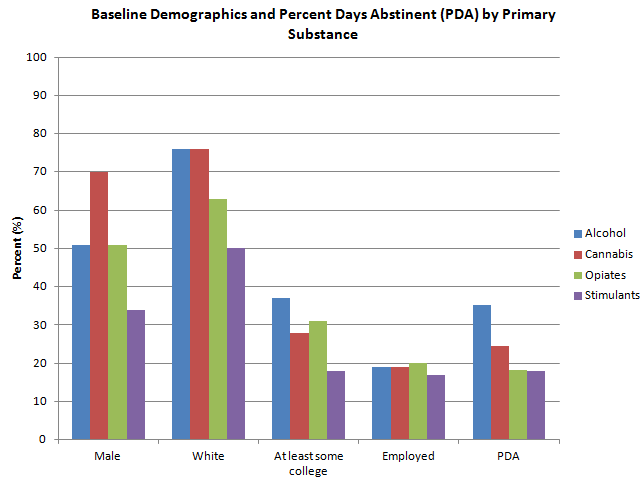
The medical community has officially called it a disease, defined as a condition that changes the way an organ functions. Hence, the problem is not your brain itself; the issue is how your specific addiction is changing the way your brain operates.
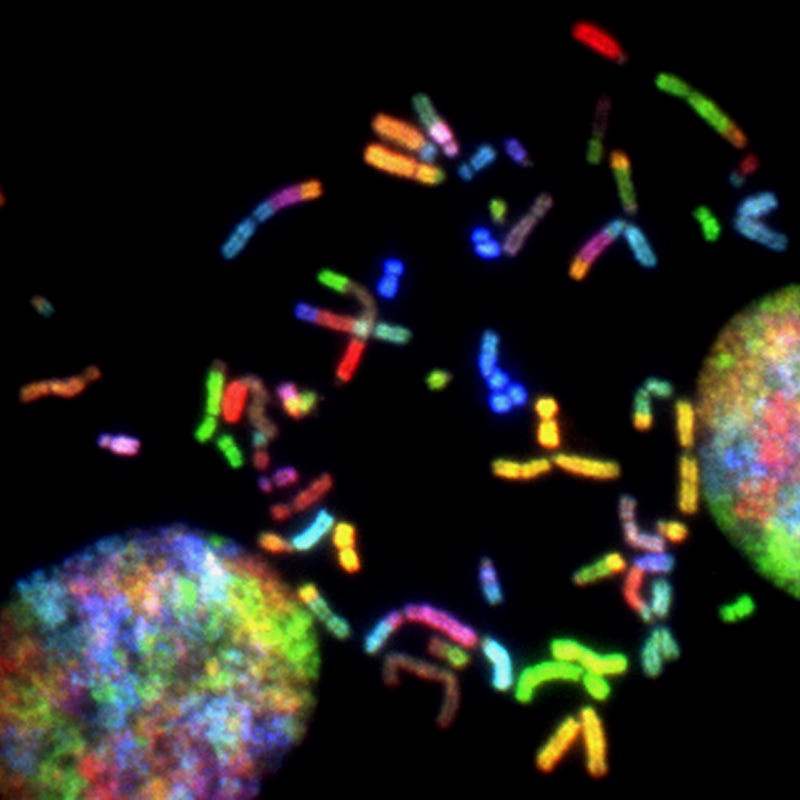
Epigenetics is the study of functional and sometimes inherited changes in gene activity regulation and expression that are not dependent on gene sequence. Scientists explain the triggers for a full-blown addiction through the study of epigenetics; environmental exposures can remodel the structure of DNA at the cell level. In simpler terms, your body responds differently to different stimuli in the environment. It could cause your body to generate new cells to function differently under pressure from the outside.
For instance, when a person uses cocaine, it can produce a mark on the DNA, increasing the production of proteins common in addiction. An increase in these proteins’ levels would result in drug-seeking behaviors, which are the characters accompanying addiction.
Consequently, the onset of addiction would be a mixture of your genes and the environment you strive in. Depending on the different stimuli and pressures your body and brain detect, it responds in a way that essentially aims to prolong your survival. It does precisely that, but the consequences result in an addiction.
So, what are the steps to recovery? Despite controversy about whether the 12-step program works, they are the fundamental milestones someone needs to take to overcome their battle.
12-Steps Program
Step 1: Acknowledging the Issue The beginning of recovery starts with facing your problem, acknowledge that there is a possible life outside this loop and that there is the possibility of reaching out for help. It mainly signifies the beginning of trust in something outside of yourself since most of us suffer in silence and behind closed doors. It could be in different forms; a therapist, sponsor, program, or merely confiding in someone you trust. However, the full-recovery process will inevitably take a few years to tackle thoroughly. Still, the first step is stepping out of denial.
“I admit that I am powerless over my addiction — that my life has become unmanageable.”
In this step, you recognize your dependence is overpowering and something that is, to some extent, out of your control. Admit to the powerlessness you have against your demons. Admit to having a life-threatening problem that you need to address. Admit that the original issue surfaced because of your attitude and behavior towards it.
Step 2: Surrendering After acknowledging the powerlessness, it leaves a void inside of you begging to be filled. This is mainly due to this void previously being filled by drugs, food, alcohol, gambling, or mental activities used to con the reward system of your brain.

We fell into the empty promises our addiction promised us, so now we are left with anger, loss, emptiness, depression, fear, boredom, and anxiety. This process unveils the real emptiness you initially felt, the very one that was drowning in all the chemicals and stimulus for all this time.
The way to overcome this particular step is that a power greater than you could help you restore to sanity. This is the sole reason numerous programs are centered around the trust and belief in God; the mere comfort that a higher power is there to protect you reassures you.
However, a higher power could be in the form of someone who experienced similar issues or a spiritual guide.
This is when you are required to give in, turn over your addiction, and gradually relinquish your ego as you give up the control the habit had over you.
Step 3: Self-Awareness Looking back at the process, the phrase ‘self-awareness’ make me laugh. To me, my self-awareness process started the moment I gave into my thoughts and decided to stop listening to the voice in my head.
This process first occurred when I was in a therapy session, and my therapist asked me to close my eyes and listen to her words. She also asked me to stay put, keep my feet grounded, and my hands on my legs.
The process is excruciatingly painful. The experiment was the most uncomfortable with myself I have ever been, sitting with my thoughts and having no power over my actions. I couldn’t move, I couldn’t run outside and smoke a cigarette, I couldn’t throw my guts out, and I couldn’t just stand up to take a walk.
However, this was the one practice that finally made me express my feelings through something other than resulting in addiction. Instead, I started crying for 10 minutes straight, for absolutely no specific reason. It simply was the buildup of different emotions that I never knew how to process.

This simple act is “Sitting with your emotions,” and the way to do it is:
-Sit in complete silence, with no one else around you. Ground your feet and place your hands on your feet.
-Now close your eyes, and focus on your breathing. Make sure to take in deep breaths, hold it, and then let it out slowly. The way I prefer to do it is the 5–5–4 rule where you count to five as you inhale, hold for a count of five, then exhale in four counts and repeat.
-Keep on breathing. Maintain that pattern. Then slowly think about an event or a scene that triggered you and hurt you. It could be trivial, or it could be an event you cannot take off your mind. Keep on breathing and think about it deeply for as long as you need. DO NOT SKIMP ON IT. These are your feelings, and they need to be validated and acknowledged. Do not treat yourself the way you used to during your addiction. The point of recovery is rebuilding your life around new habits and a new you.
Step 4: Building Self-Esteem This process starts once you develop ego awareness, faith, and self-discipline. This specific process was the longest and hardest one to overcome for me.
It requires a thorough examination of your past, including relationships, mistakes, events, and behavior, to uncover the “character defects.” Character defects are some dysfunctional emotions and actions you have experienced regarding specific stimuli or people, specifically how you reacted and treated them.
Personally, the challenge was making amends with people I have deeply hurt and accepted the fact that others might see me differently.
This step is vital since this is essentially how your shame, guilt, resentments, and pain dissolve away. With this step, you slowly let go of your sense of false self and the self-loathing you bestowed on yourself.
Steps 5 and 6: Self-Acceptance and Change Up to this point, we have only acknowledged the mistakes you have made.
This step is changing, accompanied by replacing old behavior with healthier skills, self-acceptance, and giving up. Give up on the idea that you’re the one to blame, yet brimming with guilt and letting go of the constraints your addictions have on you. Trust me; you will witness no progress until you give up blaming yourself for everything that has happened. Give up control and ego-clinging, and look for hope beyond yourself.
Replace your habits with the passion you have in life. Slowly start exercising, writing, painting, or start with a book.
However, try your best to incorporate 30 minutes of walking every day in an open environment if possible since proven to improve health. It will also give you a breath of fresh air. Moreover, walking helps take your mind off the persistent thoughts and the everyday struggle of recovery.
Step 7: Letting Go Some practices in Jungian therapy best describe this, and it touches on a critical point in recovery:

“We then discover to our dismay that our attempts to solve (our problems) by an effort of will avails us nothing. Our good intentions merely pave the way to hell. A conscious effort is indispensable but does not get us far enough in our critical areas. A resolution of this seemingly hopeless impasse eventually occurs under the awareness that the ego’s claim of a capacity to control rests on an illusion. Then we have come to the point of acceptance that initiates a fundamental transformation of the object, not the subject. Transformation of our personality occurs in us, upon us, but not by us. The point of hopelessness, the point of no return, then is the turning point.”
Accept that you are an object in this world. Accept the fact that you are not the subject and that the potential and possibility around you are endless.
In my experience, I realized that once someone is captivated by an addiction, it becomes increasingly difficult to think outside the realm of oneself; I became more selfish.
I didn’t think my issues were more detrimental than someone else’s; I was drawn in by my addictions. I would still act on my addiction and get lost in my urge to silence my thoughts and feelings; I became emotionless.
Steps 8 and 9: Compassion First of all, forgive yourself. Forgive yourself for the harm you have inflicted on yourself, for the pain you caused others, the trauma you have lived through, and for treating yourself this way for too long. At this point, the empathy inside of you will start to resurface, and you will slowly begin to think beyond the scope of yourself and your issues.
People you have inadvertently hurt come to mind. The most important thing to do is confront them with an open heart and a courageous mindset. Apologize, sincerely, for the things you have done. Apologize for not being there for the closest people to you, and tell them how much you care for them.
Step 10: Action NOT Words
“Actions speak louder than words.”
How often do we hear this phrase? We frequently read it because it is incredibly accurate, and this also applies here.
Now that you have surpassed the step of apologizing and making amends, this is when you focus your energy on someone else. Since, at this recovery point, you have reached the benchmark where internal struggles are not as persistent. Therefore it’s time to redirect the energy towards the people you love.
Show them how much initiative you have taken. Show people; you care about them by being present, talking to them about their struggles, and, most importantly, with an open mind.
Step 11: Meditation This method has been my savior in moments I felt like giving up on myself. Whenever things would get overwhelming, the best medicine is to stop for a breath. Contemplate your life. Sit down and ground yourself while you meditate for a few minutes.

It is a handy trick when you feel you might be on the edge of spiraling out of control. This might not necessarily be a relapse, but since you might be feeling frustrated, you might easily lash out at someone or resort to other harmful behavior. Sit down with yourself and breathe.
Believe it or not, we breathe incorrectly. The proper way is to take the breathe down to your stomach and not to your lungs. This practice, achieved by yoga and meditation for numerous years, has been overlooked by people.
Step 12: Sharing Your Journey Connecting with others and sharing your process will give you some power and makes you stronger. The way this happens is you feel accomplished for how far you have come. The motivation, as well as the experience of other people, will keep you inspired.
The key to this step is continuing to look for inspiration, not motivation. Look for someone who inspires you to keep going and develop yourself, not on a short-lived basis that will give you false hope into changing to something intangible.
However, there is no shame in experimenting with some other alternatives.
For instance, I know people who have successfully quit cigarettes for ten years and count on nicotine replacement therapy. Trust me; there is nothing to be shameful about if you resort to alternatives.
Also, many people resort to rehab centers, whether it’s an alcohol, drug, or food addiction. I have always wanted to turn to a rehab center and be confined for a few weeks to gain structure and a proper schedule to tackle my recovery process. Yet, unfortunately, where I come from, there aren’t any rehab centers.
The Final Takeaway Recovery is a painfully long process with multiple obstacles you will have to tackle on your way. However, that is not a reason to give up. If anything, it’s a reason to move forward.
The reason I say this is whenever something comes easy, one ends up indulging in it to extreme extents. It’s easy to overeat and throw up, and it’s easy to light a cigarette. It’s easier to drink your feelings away instead of sitting with yourself.
On the other hand, whatever proves to be a slow and challenging process delivers the highest reward. The feeling of accomplishment and strength will start to seep into your heart. That intrinsic rhythm of your heart is something you will begin to admire.


