
The Essential Industry You’ve Never Heard of
It’s called rendering and it’s the least glamorous of the essential industries
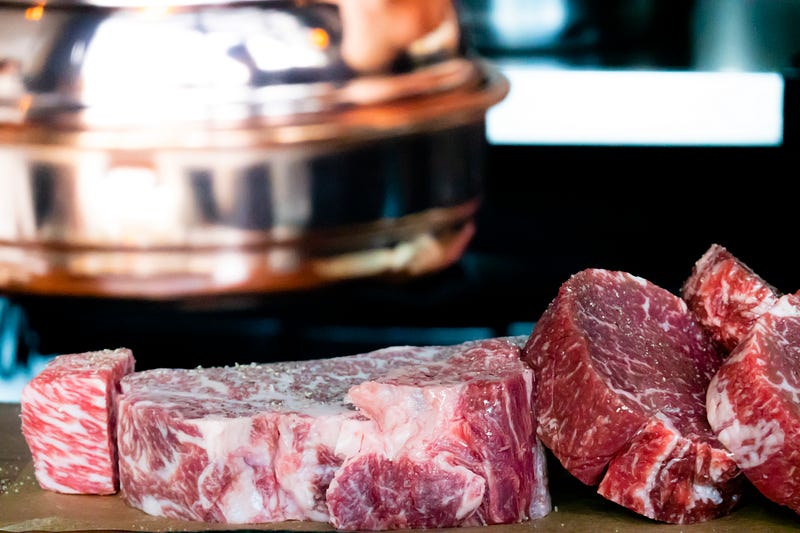
Warning: this story could be disturbing or unpleasant, especially if you object to animal consumption, as the subject is related to animal slaughter for food.
In the United States, we only consume about 50% of the animals we slaughter for food. I’m talking, specifically, about cows, pigs, poultry and turkey.
What happens to what we don’t consider edible?
The rendering industry takes care of it. Renderers collect the meat, bone, fat and organ tissue we don’t eat — mainly from slaughterhouses, meatpacking plants and grocery stores — and transform this raw material into a wide variety of products. Such products include, for example, ingredients for pet food, fertilizers, lubricants, plastics and paint.
If you object to the fact that animal parts make up an entire industry’s raw material, then you must either stop eating animals or accept a much greater environmental footprint from making animals part of your diet.
What would happen to the 62 billion tons of renderable matter produced in the US and Canada should all rendering facilities abruptly shut down?
We would have a health and environmental disaster. We have neither the infrastructure for all this “waste” to be carted to landfills nor the landfill space to take it. This is why, in this time of quarantine, renderers have been included in the the country’s list of Essential Critical Infrastructure Workforce.
Moreover, should rendering operations suddenly cease, we’d need to find alternative ingredients for the goods rendered products are used in.
Sadder still, half of the environmental resources we use to raise the animals we eat would be wasted. It would be akin to producing eggs only for the yolk and just throwing away all the whites.
Rendering is recycling, and humans have engaged in it for millenia. The problem is that, in today’s world, we eat less of the animals we slaughter and we consume more animal-based food.
The result, inevitably, is more renderable material. Were it not for renderers, this material would be nothing more than waste. For now, the rendering industry is serving an essential purpose for society and the environment.
I know a great deal about this invisible industry because it has been part of my family’s livelihood for three generations.
Growing up, I felt rather ashamed of my family’s line of work. I was embarrassed that my father didn’t wear a suit to work and that his clothes smelled horrendous when he got home from work.
He never wore a suit or go out on business dinners like my friends’ parents.
Most of my peers could easily explain what their dads did. Common answers included engineer, lawyer, doctor, professor, and “empresario” (business owner is the closest transtlation I can come up with).
I always stumbled. Usually, I’d say my father ran a company that made pet food; other times, that he made ingredients for soap and pet food. Sometimes, I’d say he was an economist, since I knew that was his university degree.
The truth is that my father owned and ran a rendering company he and his sister inherited from my grandfather, who actually died due to a freak accident on the job a couple of months before my parents got married.
Shame has given way to pride in what my family does. Currently, two of my siblings are involved in the business, which is in Venezuela, my home country. Over the past ten years, our output has dropped by more than half, which is a tragic indication of the dire economic situation in Venezuela.
In Venezuela’s case, the fact that there’s less to be rendered means that people are going hungry. People are eating less of everything. It gives me some satisfaction to know that the company my grandfather founded continues to operate and to provide good jobs to dozens of people.
I know that reducing our intake of animal protein, especially beef and pork, is one of the most significant personal choices we can make to decrease greenhouse gas emissions.
I care immensely about the environment and climate change. Furthermore, I even think that, some day, humanity will come to see the way we raise and consume animals as a barbaric practice.
We’re amazingly detached from the animal-based foods we eat. Unless we work on a farm, slaughter house, meatpacking facility or rendering plant, we rarely see where our food comes from.
Other people do the unpleasant work for us.
I do hope that the rendering industry’s business will decrease in the future, not because people are going hungry but because of our personal choices or other incentives. One incentive, I believe, is knowing what eating chicken wings or a piece of steak involves — from feedlot to slaughter to rendering what we don’t eat.


