
The Era of High-Paying Tech Jobs is Over
The Death of Tech Jobs.

In the 5th century, reading and writing were considered rare talents.
In a village, only a few could do it and they were called scribes.
They were like the coders of the past — translating human language and stories into signs and symbols.
Scribes were responsible for preserving important knowledge and ensuring it wasn’t lost over time.
Due to their ability to transcribe spoken language into written one, they held prominent status in the society of that time.
This profession flourished for centuries.
The stories and secrets they wrote still exist today, waiting for us to figure out their meaning.
Fast forward to 1455, and history takes a sharp turn.
Johannes Gutenberg invents a revolutionary device that shatters the scribes’ monopoly.
Suddenly, reading and writing become more accessible, printed books flood the market, and literacy rates soar.
The increased literacy and technological advancements led to a decline in the prestige and economic value of the scribe’s profession.
It made written information more accessible. The once-exclusive skill of scribing lost its elite status, replaced by the printing press, and its mass production capabilities.
Fast forward to the 21st century, where something terribly similar is about to happen again.
But this time it will be for the people in tech.
I am not here to sell you a predictions chart — Yet history — an ever-repeating circus, hints at patterns we dare not ignore.
A huge shift is about to happen, but the question is — Are you ready?
I’m Gonna Find Another You
“Those who have knowledge, don’t predict. Those who predict, don’t have knowledge.”
— Lao Tzu
It’s over.
Tech jobs have seen their peak.
Last year we saw the merciless termination of over 400,000 people in tech. This is not going to stop. Tech layoffs are surging and over 44,000 roles have already been cut just in January.
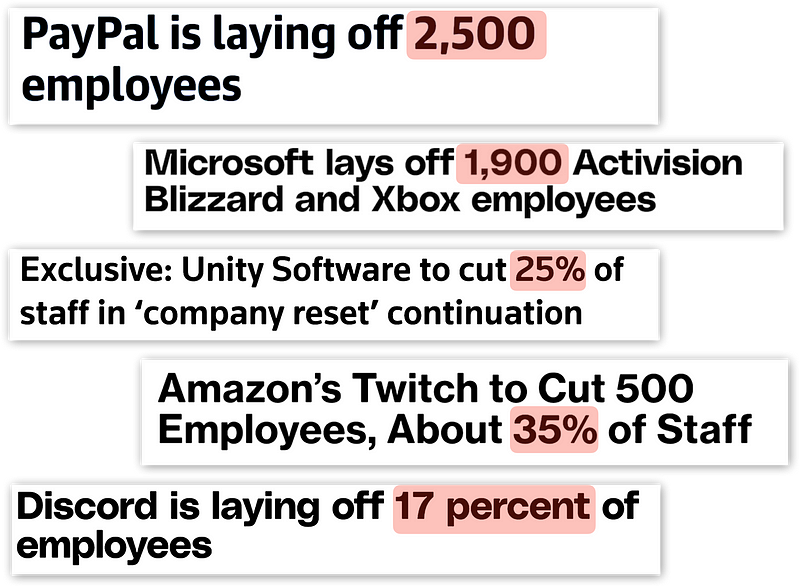
For those dismissing these layoffs as routine in tech, there’s more to grasp. This isn’t just a common layoff — it’s an ongoing shift, and it won’t relent.
It all started with Elon Musk’s move to cut 80% of staff which sparked a trend among tech CEOs to trim the excess workforce.
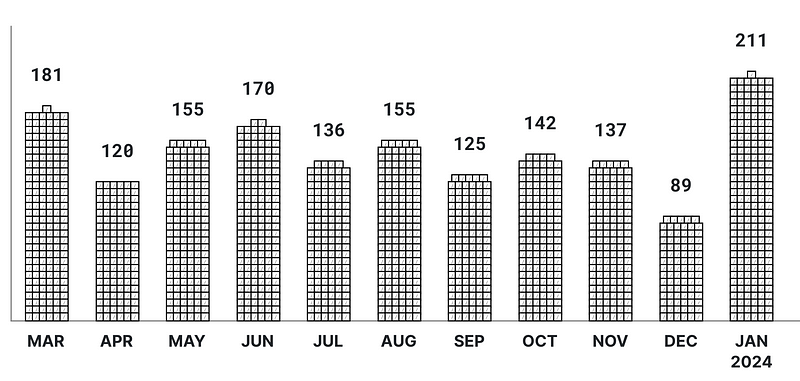
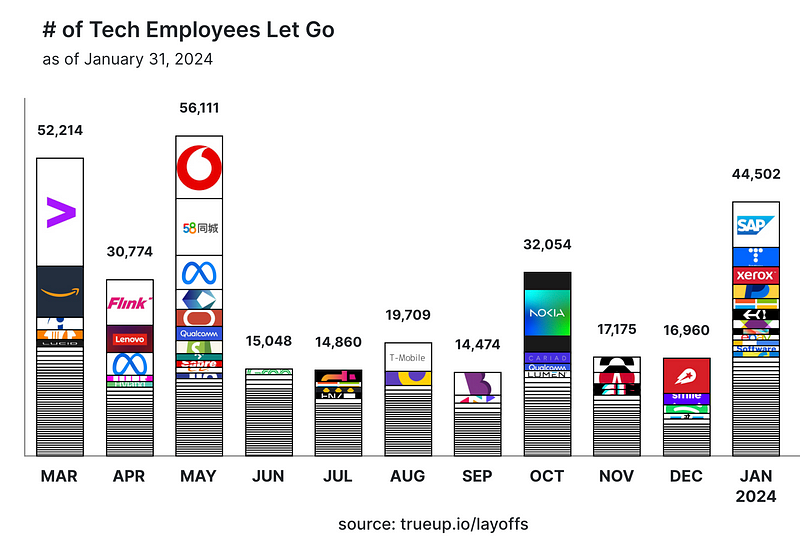
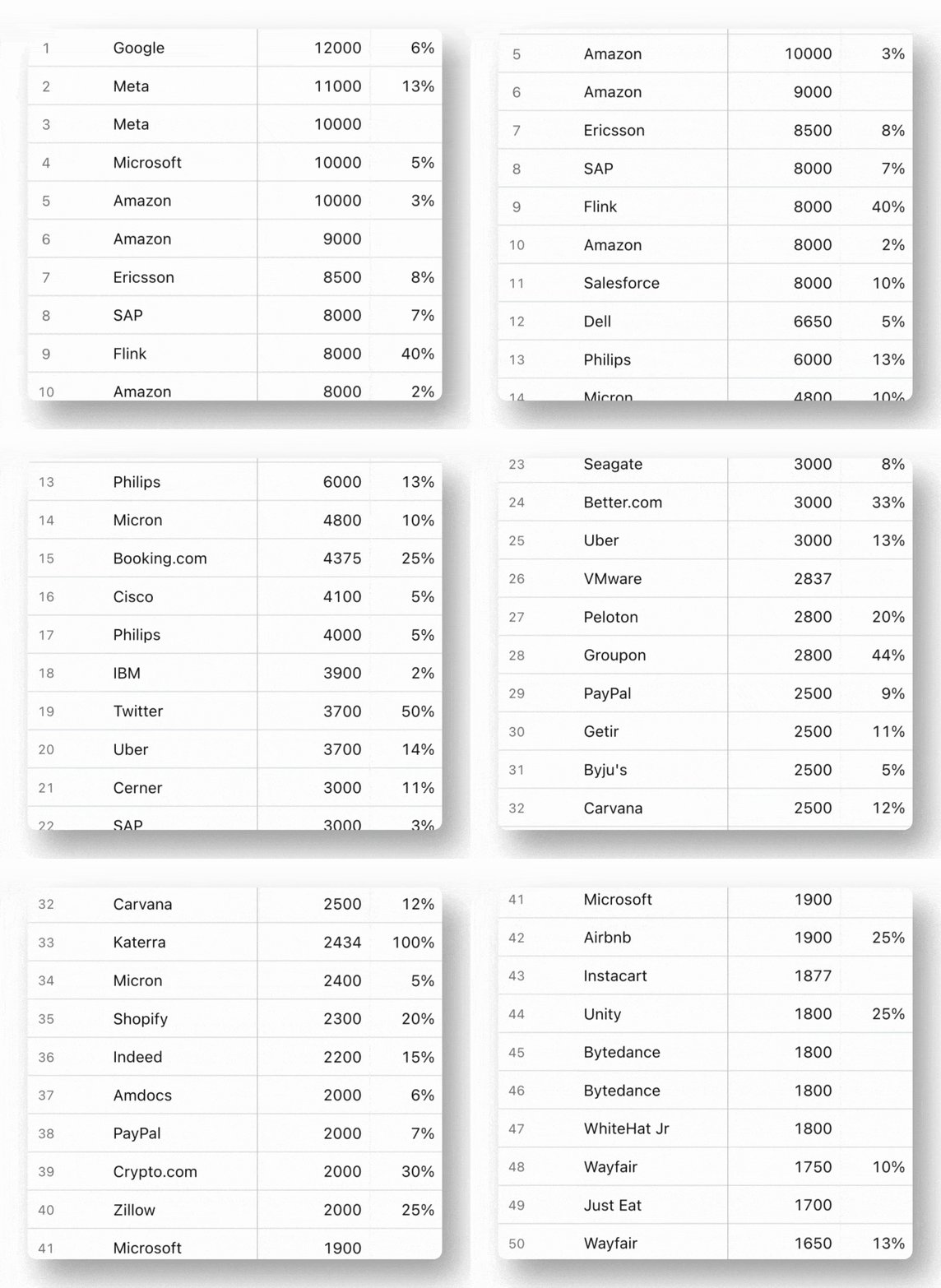
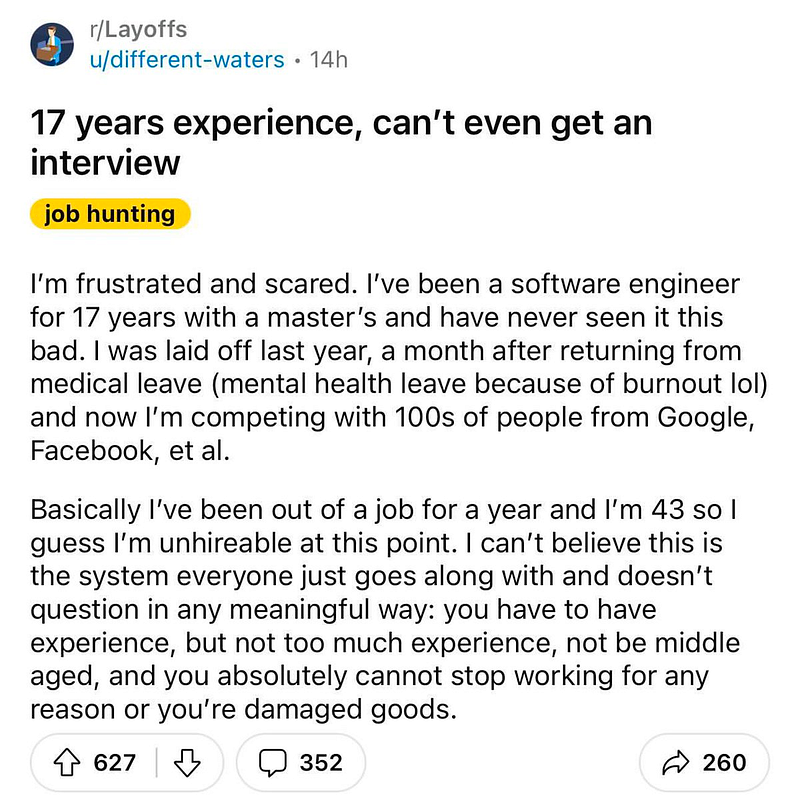
Getting hired has become difficult than ever.
Sure, some of them may adapt, but where will you fit the rest of the workforce when the need for labor itself is decreasing?
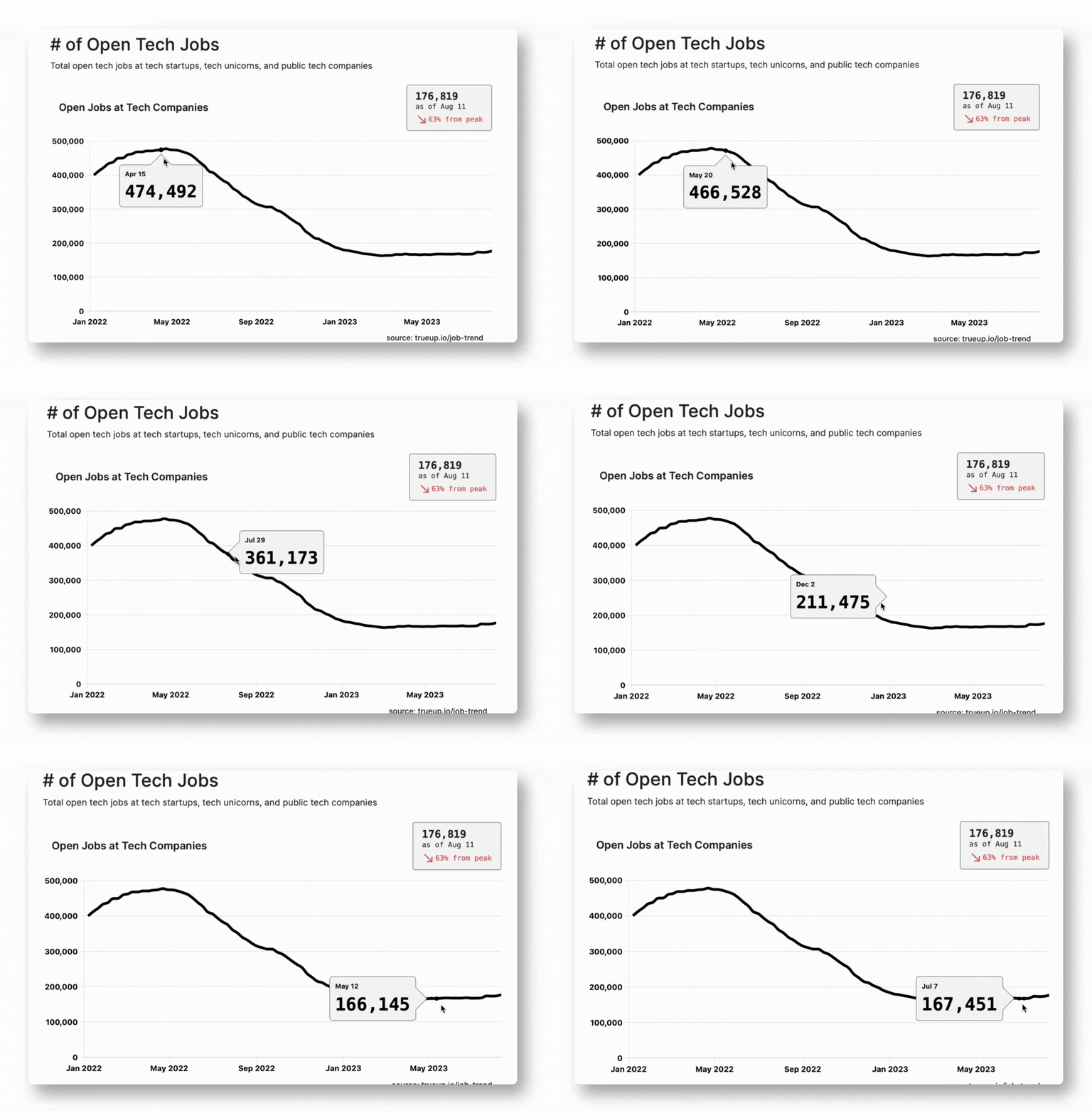
Tech jobs are on the way to becoming another dead-end job.
Coders used to be seen as modern-day wizards with rare abilities. But now, coding skills have become commonplace.
This transition didn’t happen overnight though. It was years in the making.
Back in the late 1960s, when the computer industry was just getting established, people who could work with computers were extremely rare — like an elite group of scribes.
At that time, very few individuals could “talk” to computers by reading and writing code.
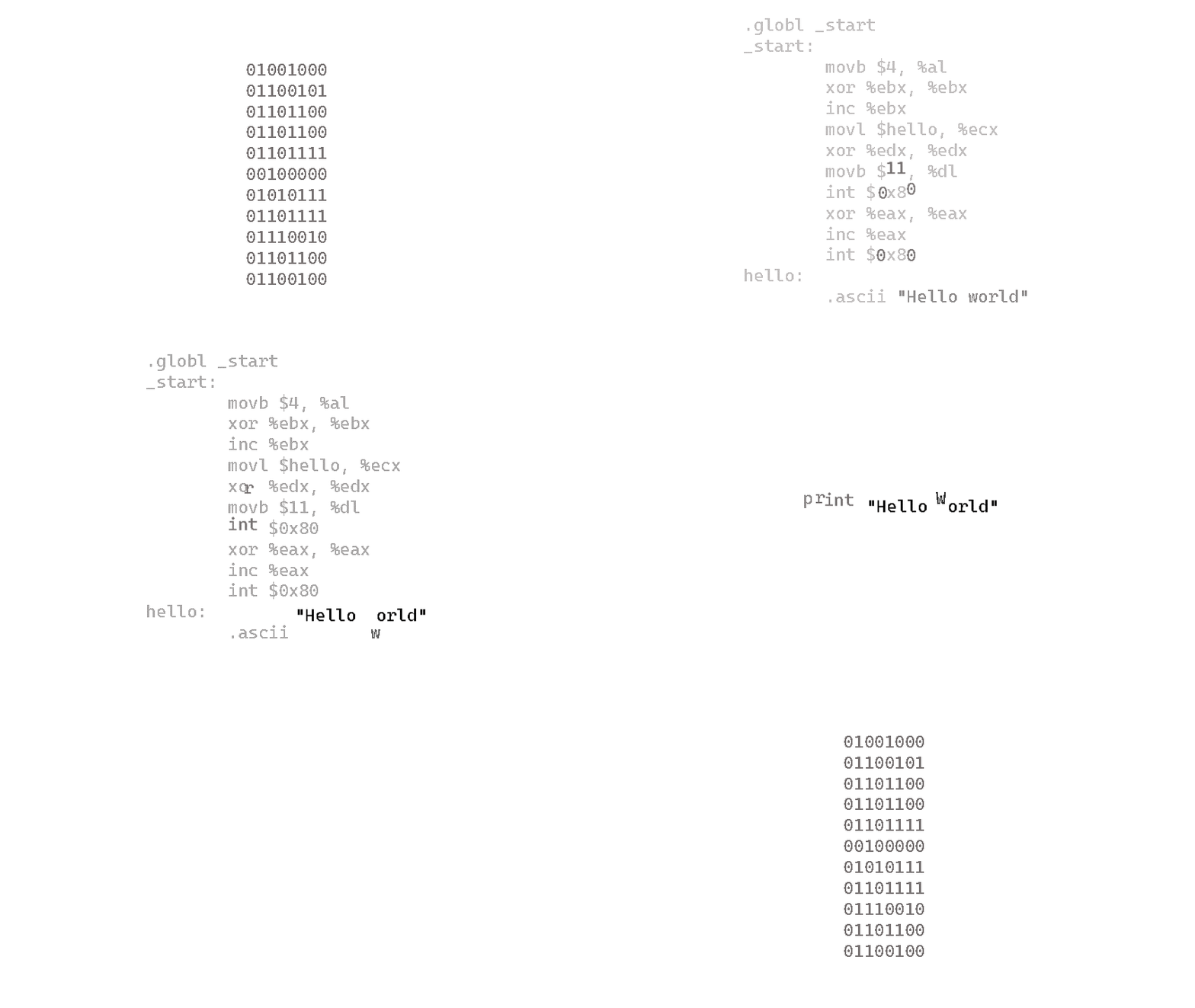
Most corporate software back then was written in machine or assembly code, limiting development to people from research backgrounds.
But then higher-level programming languages were invented, opening the door for many more without a research background to start coding.
Companies realized universities could produce hirable grads with required skills.
They paid for curriculums teaching their tech stacks specifically
A profitable trade — companies got credential-stamped new hires. Universities received fees for this labor pipeline. “You got Java in your syllabus.”
For years, the path to a six-figure coding job was clearly defined — get that 4-year university degree first. Companies only recruited from this pool.
Software was built mostly behind the closed walls of these companies.
But times changed.
The Internet was reaching untapped parts of the world.
Connection among people increased.
The ascent of open source changed the game. Now a person sitting in the other part of the world was contributing to software development.
Open-source revolutionized code by enabling global collaboration.
Knowledge became free, giving rise to self-taught coders bypassing traditional education.
Coding boot camps further accelerated the shift, providing a fast-tracked, affordable path to tech jobs — no 4-year degree required.
And as time progressed, coding went from an elite skill to one the masses could access with some dedication.
Things came to a point where anyone could get into tech.
In 2019 — During the pandemic, many companies came to their senses. They realized that they could actually operate remotely.
Remote work opened the door to the pool of world talent.
Now, companies have access to the best of the best talents from the world.
But in the year 2023, something else happened that changed the whole trajectory altogether.
AI entered the scene of software development.
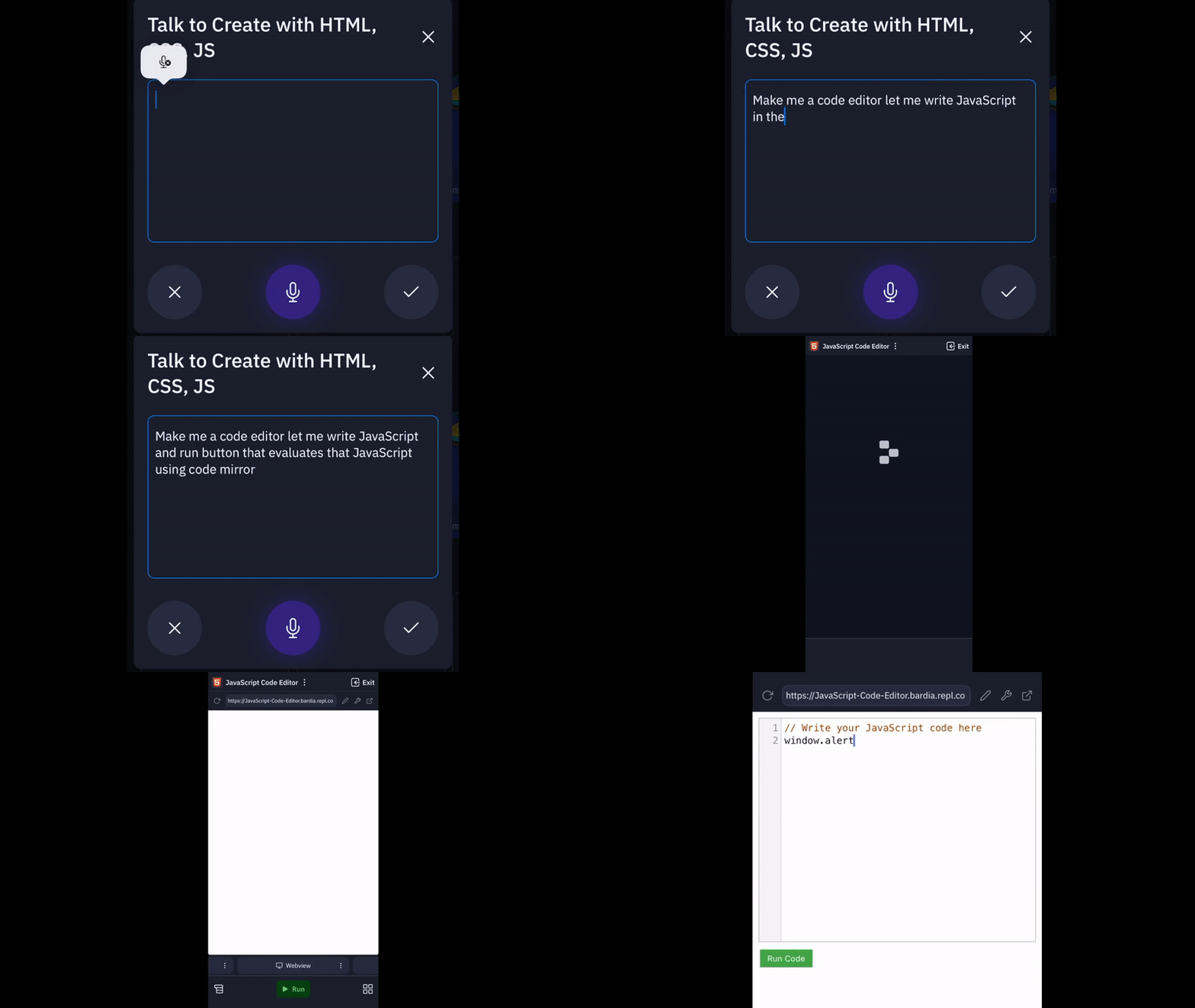
Now, all you have to do is write a prompt and it will make the app for you.


This led to individuals with no tech background or experience entering the tech scene.
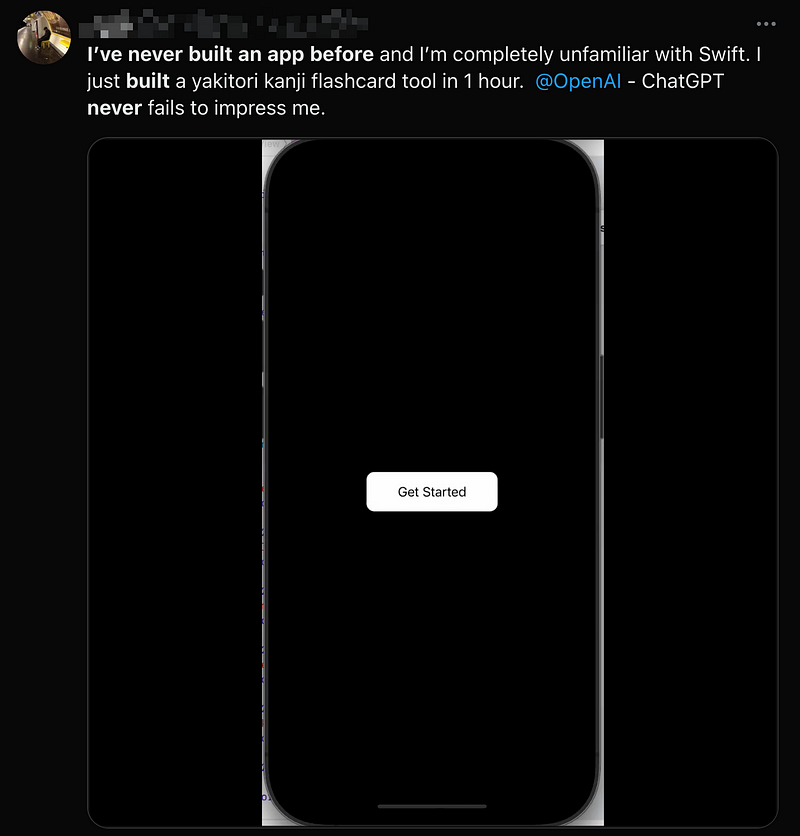
Everyone started building software.
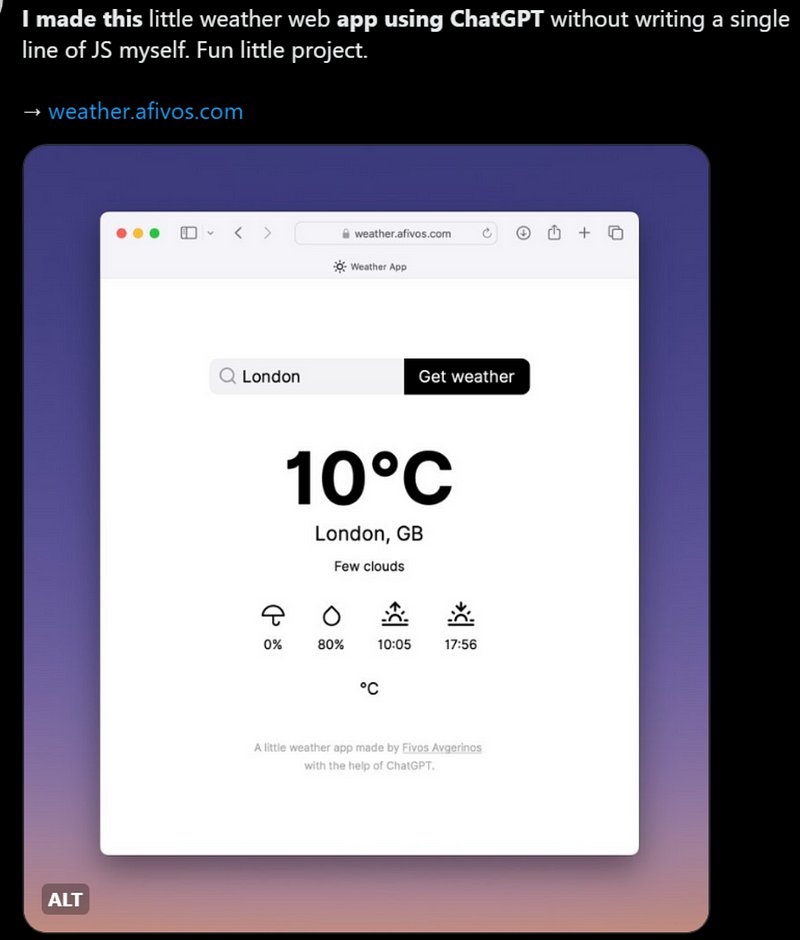
Even those who had no background in coding…
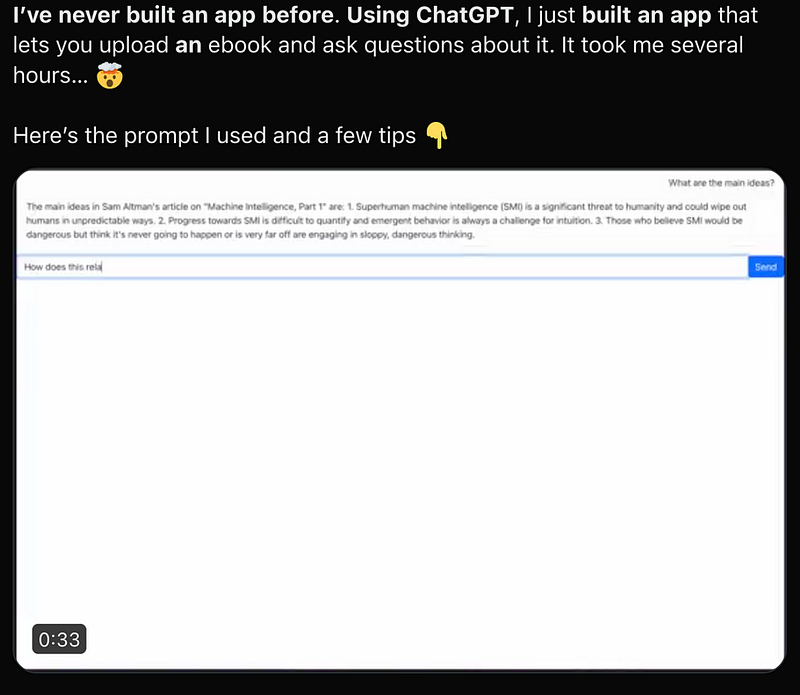

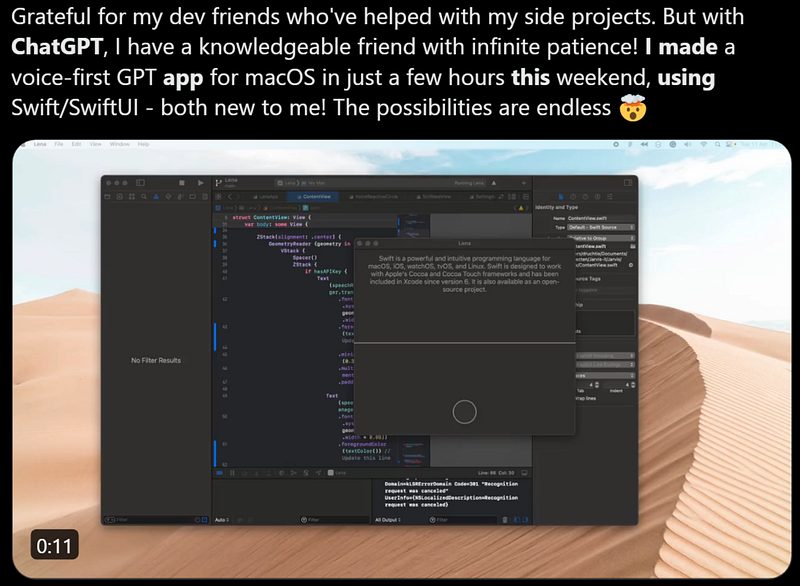
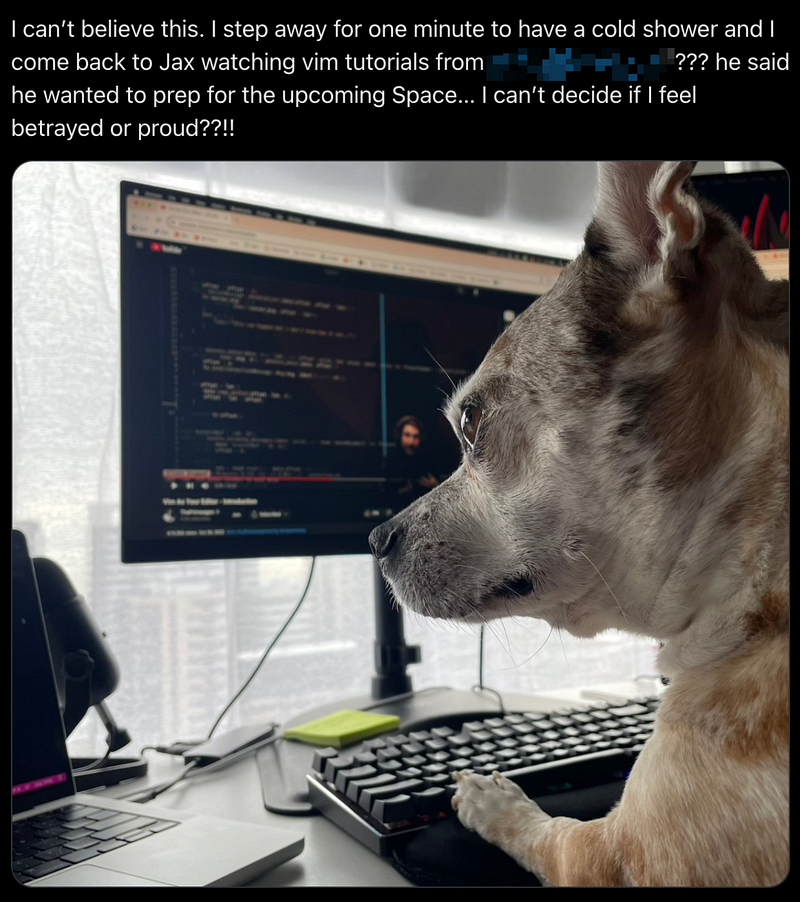
At this point…Anyone can make an app…even the dogs.
And as if this were not enough, now we have Devin — The First AI Software Engineer.
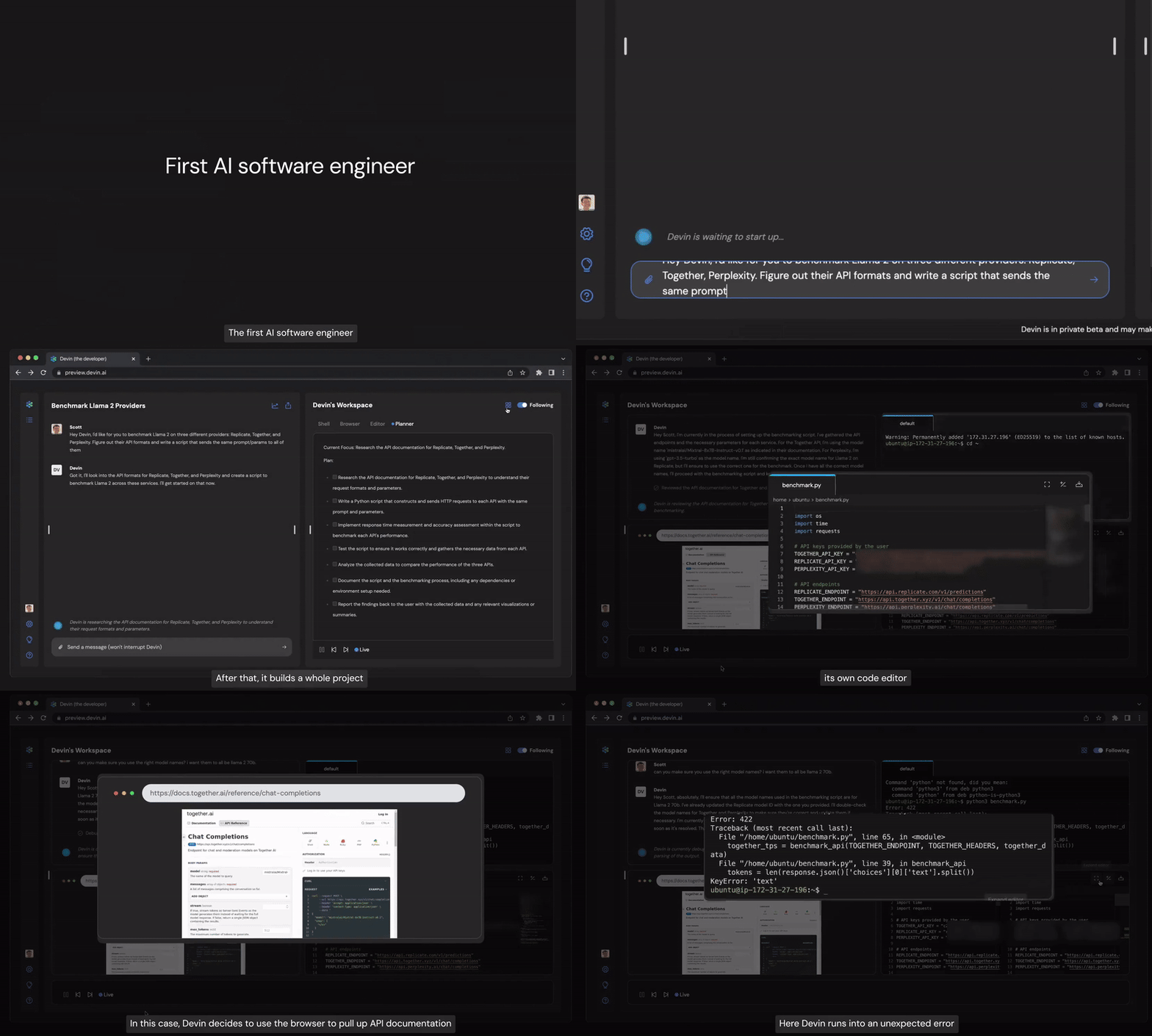
At this moment Devin can:
-Code entire projects (debug problems and solve them)
- Complete regular Freelancing and Upwork jobs
- Fix issues in large repos (It can even teach itself how to use unfamiliar technologies.)
- Deploy Instantly.
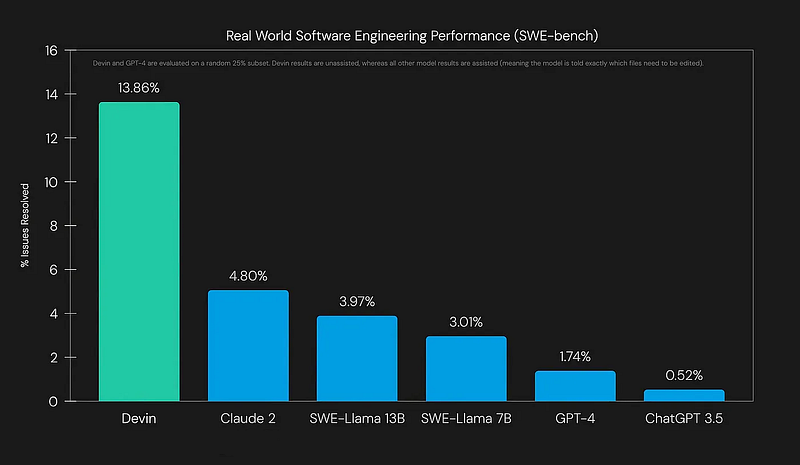
Higher-level coding languages opened the doors wider for more people to get into coding. But AI will blow those doors off the hinges — allowing anyone with expertise in a specific domain to create software solutions for that domain.
No-code tools that are available today foreshadow what’s coming: human language itself becoming the new coding protocol.
Instead of writing code, you’ll just describe what you want in natural language. Generating those prompts and parsing the AI’s responses will be the new form of “programming.”
It’s fantastic that the technologies we use are becoming smarter.
It’s a far more intelligent approach.
Only someone who aspires to be the smartest person in the room will be concerned if everything around him becomes smarter than him.
Tech should reach everyone.
But remember the story of the scribes I told you in the beginning? Do you remember what increased literacy and technological advancements led to?
Decline in the prestige and economic value of the scribe’s profession.
That’s exactly what is about to happen to tech workers.
In mathematics, there is a concept of local maxima.

In 2024 — We have hit a local maximum in technology, where the job industry’s infrastructure is so well-established that you can easily hire a coder off the streets or simply use ChatGPT to get the job done.
As the working conditions get worse and worse, each person will take on the role of ten other people who are laid off.
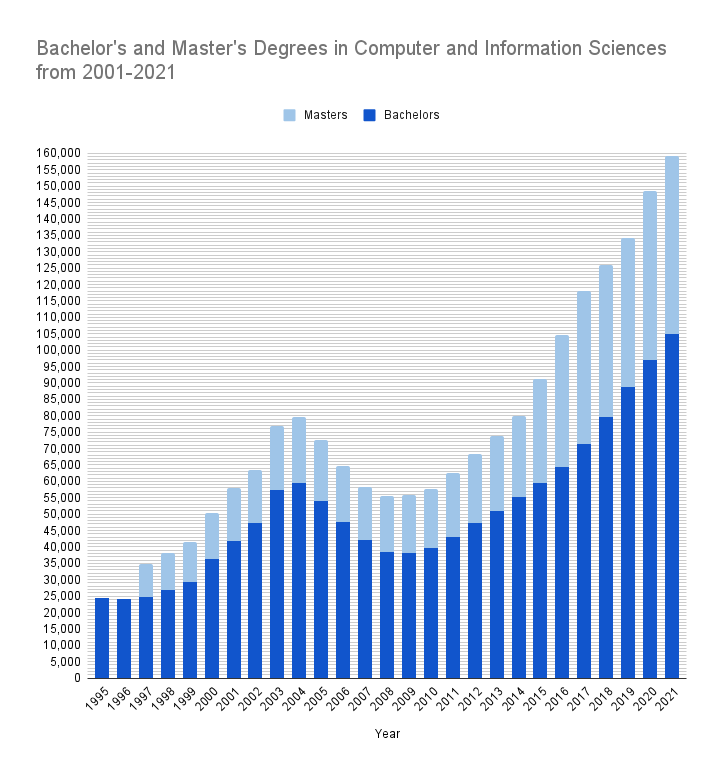
This also means a long winter is coming for CS graduates and Newcomers.
OpenAI launched Sora. Meta launched V-JEPA. Google launched Gemini 1.5 PRO. Magic Dev is launching AI Software Engineer. Devin — The AI software developer is already here.
Meanwhile, you have these newcomers and sophomore kids who are still searching for HTML, CSS, and JavaScript roadmaps. They’re doomed for sure!
Tech has become an oversaturated field where employers have realized that they don’t need to pay you $300–$500k and free cafeteria food for 4 hours of work a day.
As software development becomes cheaper and more efficient, it will be much easier to hire developers for single tasks or short-term projects rather than full-time.
The industry will shift towards an “Uber-like” model — using more contracted workers instead of full-time employees. This is called the network model.
In the past, companies would build entire codebases and then deploy and monetize them later on. Now, the code will constantly run and make money from the very beginning.
This new way of doing things is called a network model.
Having centralized teams of coders made sense before, but not anymore. That work can easily be broken up into smaller pieces.
Soon we will see decentralized markets where problem-solvers from around the world can effortlessly connect for tasks.
Now, the code will always be running and fully monetized.
Mark my words!
We’re not going to go back to that golden era where fresh software engineers or bootcamp graduates landing $200K jobs straight out of the gate was a norm.
The landscape has changed drastically.
I’m one of the few who told you this because most are stuck in their bubble and missing the AI revolution.
The discipline of coding won’t be a barrier to entry.
If you still have doubts, then you better watch this:
Lies, Lies, and Bloody Lies
“It’s easier to fool people than to convince them that they’ve been fooled.”
— Unknown
Tech used to be fun.
Then people found out there was money in it, and the worst people started showing up.
We all saw what happened with crypto.
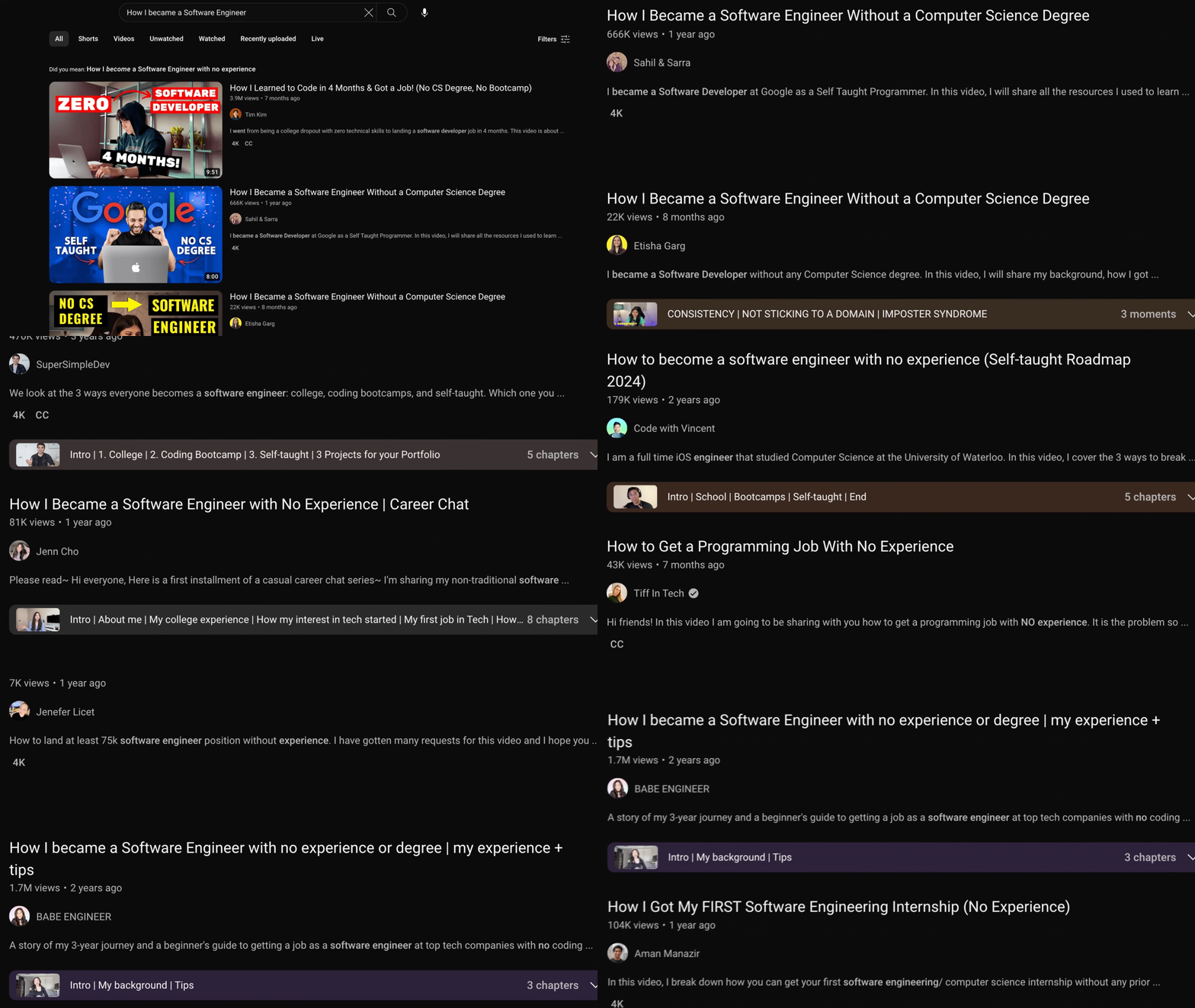
The internet is filled with charlatans teaching how to get into FAANG or break into tech, but they never tell you if the industry even wants you.
If you really look at what caused this over-saturation you will see it is because a whole lot of people got deluded.
The delusion was initially built by universities — People were defrauded into spending massive amounts of money and wasting years on useless degrees, thinking it is the only key to success.
Most of these degrees teach outdated information. You won’t learn about AI or ChatGPT in college. Instead, you’ll learn things like building operating systems from scratch, building compilers, etc… all of which are mostly irrelevant in today’s world.
On the other side — You have these code influencers who often haven’t coded in their lives and only share memes…but now they sell you a dream that may not be realistic.
Society made everyone believe that Coding is the gateway to success, but in reality, it leads to a terrible 9-to-5 job with mediocre pay and a hell lot of burnouts.
At this point coding itself has become a Ponzi scheme.
People are preying on other people and making them believe that they’ll become the next Mark Zuckerberg if they just learn React or whatever.
React!? Ah… Let me tell you something about it.
It’s a library made to create slaves who can work in companies.
It was developed for newcomers so that they don’t mess up the codebase.

The reality is — if you’re just a “React developer” or “whatever x developer”, you’re not a programmer — you are just a coder, and you are bound to get replaced.
There’s no career path for you beyond that.
You’re doing the job of an automaton that any AI or ChatGPT whatever the next thing is — will soon replace.
Above All, Give Me the Truth
“They buried us alive thinking that we would die,
but they did not know that we were seeds.
Our burial is our legacy”
— Irrfan
The era of high-paying tech jobs was a fluke in history when the internet was first invented — That era is no more.
There are startups whose mission is to fully replace software engineers with “AI devs.” The VCs & investors love this idea, and so do the founders.
Imagine how much money they could make if they succeeded!
They are not going to stop — you better know it.
Companies don’t give a rat’s ass about you. They only care about staying in business. If they find someone better than you (AI), they’ll replace you. It’s not personal, it’s just how it is.
But why do you need them if they don’t need you?
Society tells you lies like “It’s not that simple” and “This is the only way” and “You’ll screw it up if you do your own thing.”
But those are just limiting beliefs.
If you can break free from that outdated way of thinking about making money, you’ll see opportunities that others are missing.
There are two paths to learning programming — one leads to slavery, another to freedom.
Tech skills that only work within companies will lead to wage slavery and won’t make you money on their own.

True valuable skills transcend specific tools and methodologies.
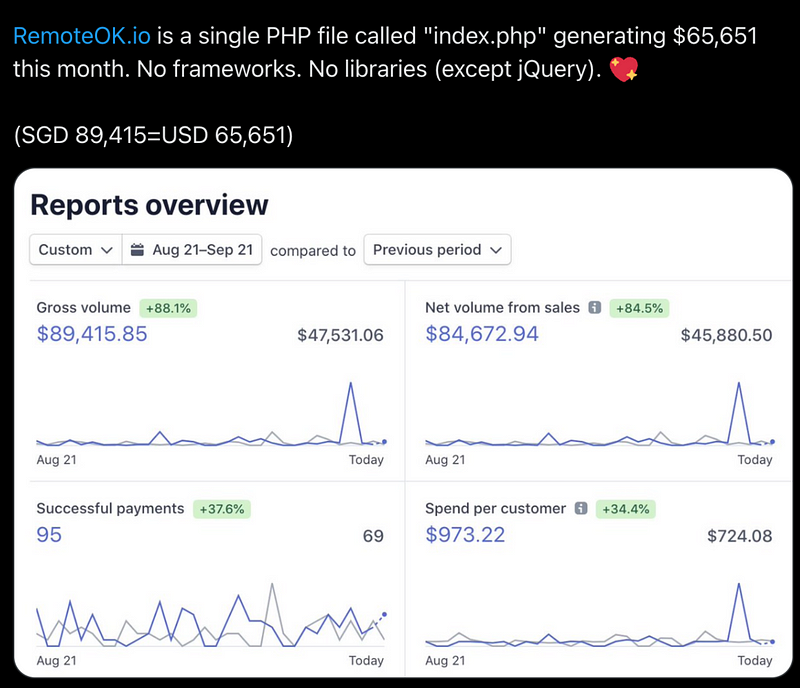
The highest-paid engineers don’t play favorites with languages, nope.
They can quickly pick up any tool.
They do what works!
Keep it simple.
Their goal is to be effective, not just aesthetic.
It’s the lower-level engineers who over-complicate, over-engineer, get caught up in the tech stack, like it’s a religion, you feel me?
The best engineers are practical. They’re adaptable. They don’t get tied down, they innovate, don’t just replicate!
If you really look, you will know “Coding” was never the source of value — Problem-solving was, and it always will be.
The future will favor those creating value, not stuck worshipping obsolete skills or gatekeeping knowledge.
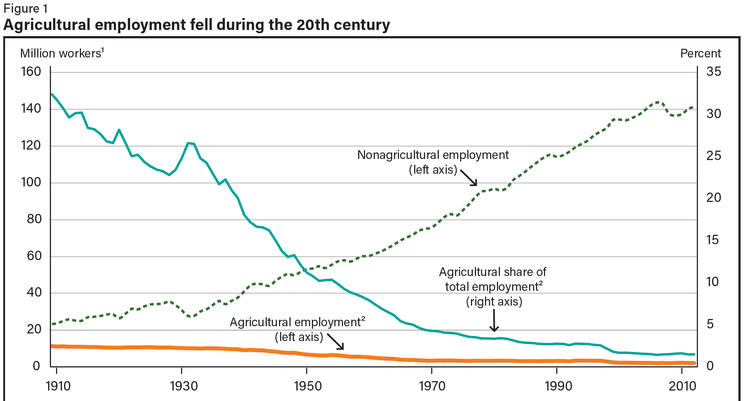
This is not new — once in a few centuries, we see entire career paths collapse.
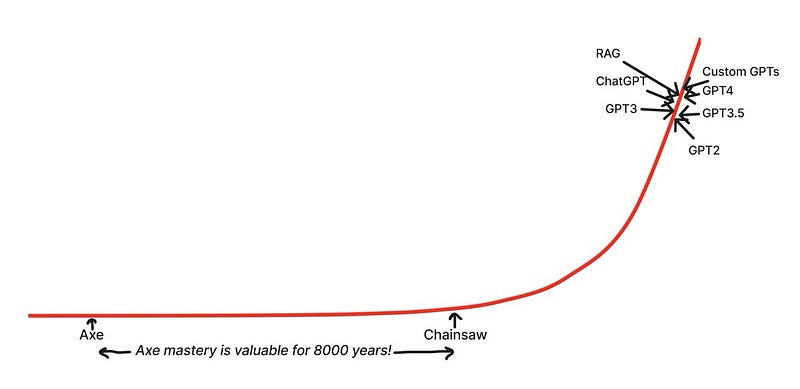
All of this has happened before, and all of this will happen again.
It happened to the scribes, and it is going to happen to the tech workers — you can’t stop it.
Taste of Freedom, Makes Me Unemployable
“What if I fall?
Oh! but my darling, what if you fly?”
— J. M. Barrie (Peter Pan)
Recently a whole lot of YouTubers decided to quit.
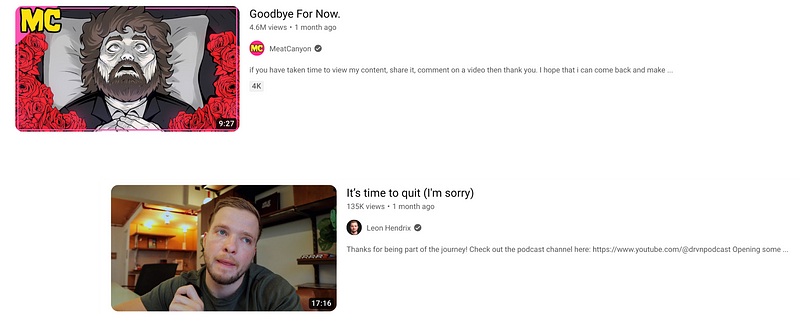
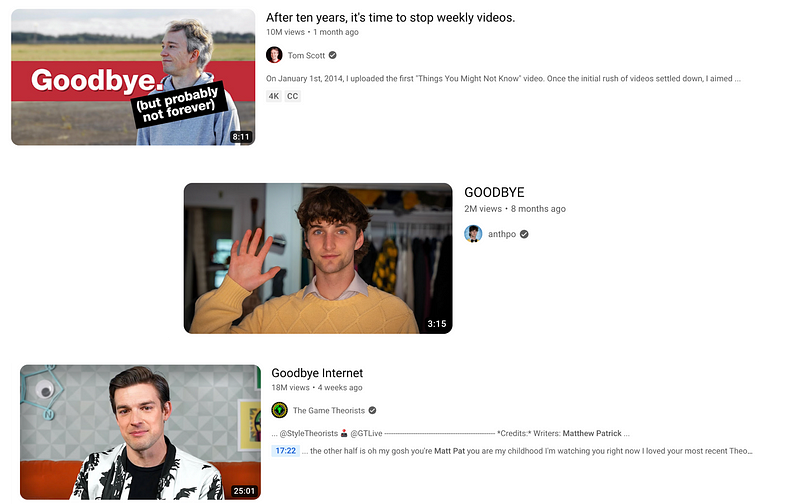
It’s interesting, isn’t it? On one side, you have people getting laid off from tech companies or desperately clinging to their 9-to-5 jobs.
On the other hand, there are those quitting their jobs and retiring from wealth.
What do these “quit-rich” folks know that you don’t?
They realized that times have changed.
In the 1800s, wealth came from labor.
The 1900s favored those with capital.
But now, in the 2000s, for anyone seeking riches, it’s through code and content creation.
And it’s not as difficult as they’ve taught you. Yes, creating things through labor and capital is hard — it requires the cooperation of so many other factors beyond just you.
But the same isn’t true for code and content.
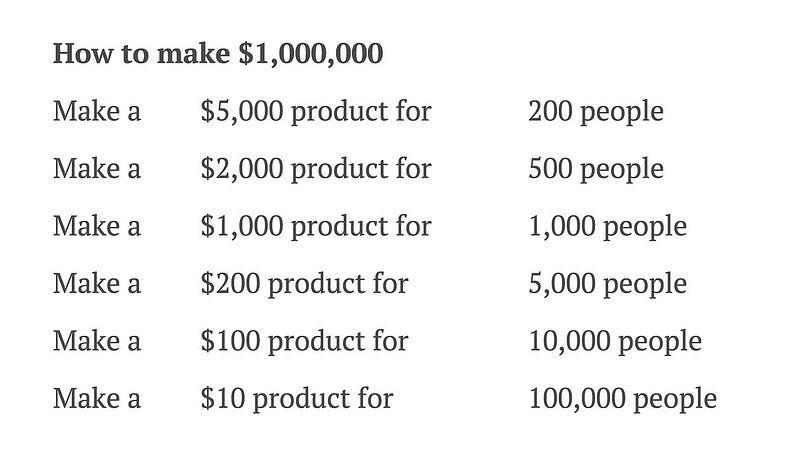
With those, you can create something once and allow it to earn for you while you sleep.
It provides incredible leverage that compounds over time.
I’m not saying it’s easy.
But it has never been easier than it is today in this current age.
The people getting rich and retiring early understood this fundamental shift.
There are two paths now: serving others through labor or leveraging code and content.
Which path will you choose?
Writing code as a skill is going to disappear.
The opportunity in the tech field will not belong only to the coders.
The real leverage lies in understanding the technologies and making them work together.
When you were a kid, the world was a playground. But somewhere along the way, you forgot that mindset.
Don’t create for money, fame, helping others, or even changing the world. Create like a tinkering child — for the inherent joy of making something new, free from the weight of ambition. Deaf to the world’s demands and expectations.
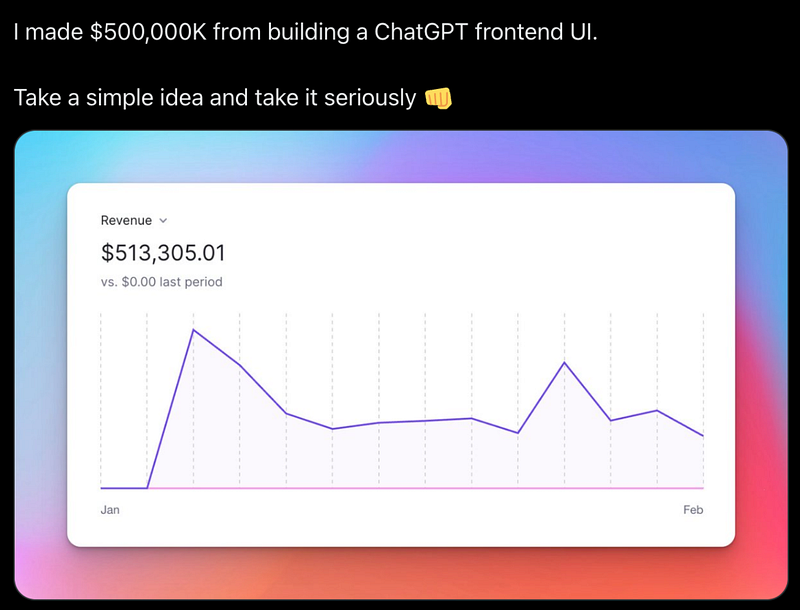
Companies make money by solving problems — which require work. But just working hard doesn’t make you money. If people with no tech background can build things, you absolutely can too.
It just takes a shift in perspective. Instead of “How do I make a living?”, ask “How do I create a better life for myself and others?”
Be Water, My Friend
“Intelligence is the ability to adapt to change”.
— Stephen Hawking
I remember Jeff Bezos saying, “I don’t know what is going to change in 10 years, but I do know what don’t.”
The future is always unknown, even for the people who are at the top.
The world is moving fast, and traditional education will fail to keep up.
That’s why you must build a strategy around the things that are stable in time.
As programmers, you will always have to solve problems. You will always have to effectively communicate with others, and you will always have to continue to learn and upgrade your skills.
Focus a big chunk of your energy on skills that are virtually guaranteed to be valuable in the future, no matter what.
Everything we know, not just about programming, has an expiration.
Half-life of knowledge is a term to denote the time it takes for half the knowledge in a domain to be outdated.
The half-life of an engineer in 1930 was 35 years.
In 1960, it came down to 10 years.
Imagine what it is now?
Because technology is moving so fast, eventually the ability to solve problems, and continuously learn, will become the most sought-after skill.
This is a muscle that you can train.
Programmers are problem solvers first and a problem solver will always be in demand because the world prefers the best solution, not the second-best.
Note of Gratitude
I wanted to take this last opportunity to say thank you.
Thank you for being here! I would not be able to do what I do without people like you who follow along and take that leap of faith to read my post.
I hope you’ll join me in my future blog post and stick around because I think we have something great here. And I hope that I will be able to help you along in your career for many more years to come!
See you next time. Bye!


