
The Environmental Impact of Your Morning Joe
From Bean to Brew, the Ecosystem of Our Daily Caffeine Fix
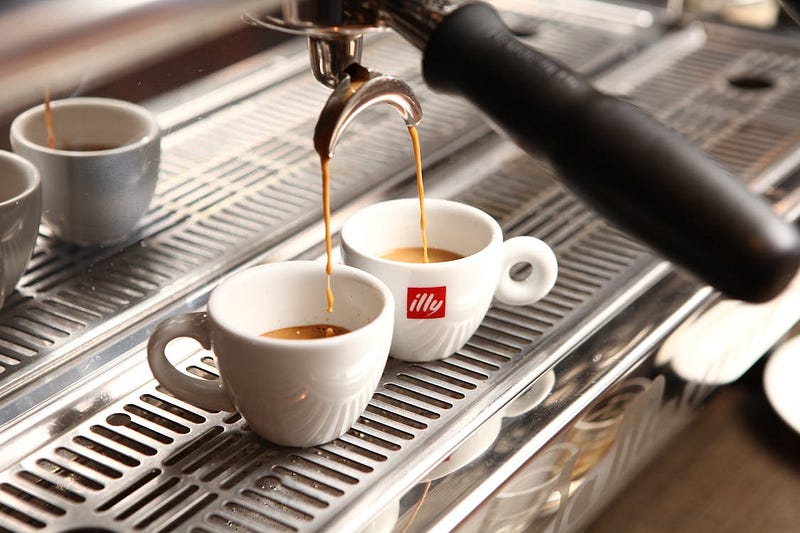
You sip, savor, and bask in the aromatic warmth of your morning coffee. But have you ever wondered what lies beyond that cup? Every gulp hides an environment spanning continents and involves myriad ecological processes. Let’s get together and the story brewing in your morning, Joe.
The Birthplace: Coffee Farms “All great journeys begin with a single step, and our coffee’s first step starts with the soil.”
Carbon Footprint: For every pound of coffee beans produced, approximately 11 pounds of CO2 are emitted. It’s not just the farming practices but also the machinery and transport involved. The emissions of those indulging in organic coffee are slightly lower due to the absence of synthetic fertilizers.
Deforestation: In many countries, lush forests are cleared for coffee plantations, causing severe biodiversity loss. ~ By choosing shade-grown coffee, you’re supporting the preservation of bird habitats and retaining a richer ecological balance.
Water Footprint: Did you know it takes 37 gallons of water to grow the coffee beans needed for just one cup? This fact resonates deeper when we realize that most coffee-growing regions face water scarcity.
“From its birthplace, our coffee begins a voyage, crossing oceans and borders.”
Trade Impacts: A lucrative business with $20 billion spent on coffee imports annually. But only a fraction reaches the farmers. Fairtrade coffee ensures a more equitable share for these farmers.
Transport: Think about the fuel needed to transport beans from Ethiopia to New York. Carbon emissions don’t just rise; they soar. Buying local or supporting carbon-neutral companies can make a difference.
“Here, our beans transform, churning in heated drums, turning into those delightful brown nuggets.”
Energy Consumption: Roasting is an energy-intensive process. The beans are heated to temperatures between 370°F and 540°F, consuming significant energy4.
Packaging: That chic pouch or tin is for more than just a show. Packaging plays a role in preserving the freshness of coffee. But there’s an environmental cost — plastics, metals, and even some ‘biodegradable’ materials contribute to ecological degradation.
“And so, we arrive at the moment of magic — when water meets the bean.”
Waste: The rise of single-use coffee pods has compounded waste issues. While they offer convenience, they often end up in landfills. If you can’t resist them, seek out recyclable or compostable alternatives.
Brewing: Opting for a manual brew can save energy compared to electric coffee machines. And cold brew isn’t just trendy; it’s energy-efficient, too!
As I sit on my balcony, watching the morning sun glint off my coffee cup, I’m reminded of a visit to a Guatemalan coffee farm. The verdant slopes, bustling activity, and the irresistible fresh beans aroma were enchanting. But I also witnessed the laborers’ struggles, the scarcity of water, and the land scarred by deforestation. That trip forever changed my relationship with my morning brew.
I realized my choices — whether shade-grown beans, a manual brew, or supporting fair trade — had ripples, reaching far and wide. Every coffee lover has the power to stir positive change, one cup at a time.
Our morning coffee ritual connects us to a larger of farmers, traders, ecosystems, and choices. Like intricate latte art, the complexities swirl and meld, creating something beautiful yet fragile.
Let’s savor not just the coffee but also what it represents. Let’s make our next cup more sustainable, more equitable, and kinder to the planet.
Next time you buy coffee, pause. Reflect. Choose consciously. And as you sip, cherish the story, the, and the encapsulated in your cup.

If you enjoy my pieces and wish to stay updated, follow me and subscribe here to receive my articles directly in your inbox.