
The Enron Scandal: Unraveling the Web of Corporate Deceit
Few scandals in the history of corporations cast a shadow as broad and as ominous as the Enron scandal. The story of Enron, a once-powerful energy company, serves as a warning about the perils of financial manipulation, corporate greed, and the decline in public confidence in the business sector.
The Rise of Eron.
After its founding in 1985, Enron became well-known for being a pioneer in the energy industry. Its novel business strategy included trading financial derivatives in addition to tangible commodities. This strategy, along with aggressive accounting techniques, enabled the business to announce explosive earnings and turn into a Wall Street darling.
Uncovering the Deceit.
But beyond the surface of prosperity, Enron’s finances were a house of cards. Under the direction of Chief Financial Officer Andrew Fastow, the corporation used a complex network of off-balance-sheet partnerships and special-purpose entities to hide debt and inflate profits. This complex financial scheming gave the impression of affluence, but it eventually turned out to be unsustainable.

The Whistleblower Dilemma.
Sherron Watkins, an internal whistleblower, was instrumental in exposing Enron’s dishonesty. She wrote the now-famous memo to then-CEO Kenneth Lay in August 2001, alerting him to accounting errors and the possibility of a financial meltdown. But her cautions were ignored, and Enron leaders kept downplaying how serious the problems were.
The Downfall Begins.
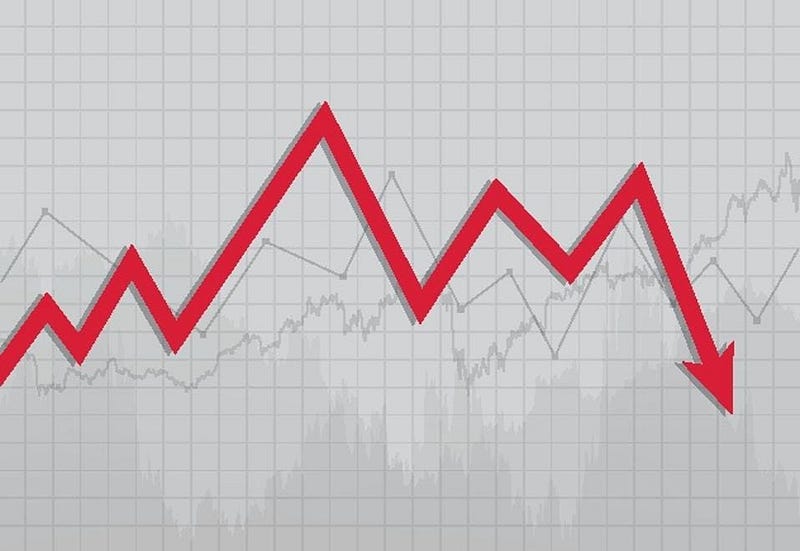
Investor trust vanished when the facts about Enron’s financial malfeasance came to light. The company announced an astounding $638 million loss in October 2001, which caused its stock price to plummet sharply. One of the biggest bankruptcies in American history at the time, Enron filed for bankruptcy on December 2, 2001, due to overwhelming debt and an inability to obtain more funding.
Executive Face Justice.
Investigations were started to hold the culpable parties in the wake of Enron’s downfall. Prominent executives, including as COO Jeffrey Skilling and CEO Kenneth Lay, were accused of insider trading, fraud, and conspiracy. Both were found guilty in 2006, and the court case became more problematic when Lay passed away soon after.
Conclusion.
Corporate governance and regulatory procedures underwent a dramatic change as a result of the Enron crisis. The Sarbanes-Oxley Act was enacted in 2002 with the intention of improving corporate financial reporting’s accountability and openness. In an effort to stop another Enron-style scandal, regulators adopted stricter rules and more monitoring of accounting practices.
Boardrooms and classrooms alike continue to be affected by the lessons learned from the Enron debacle. It acts as a sobering reminder of the repercussions of unbridled corporate ambition, the necessity of strong regulatory supervision, and the requirement for an open and accountable business culture. The Enron scandal serves as a reminder of the long-lasting effects that corporate dishonesty can have on investors, markets, and the foundation of confidence that supports our whole financial system.


