T.E.P #2 : Natures Thread in Urban Fabric
Our cities are ever-evolving landscapes, where the delicate balance between nature and human development is constantly shifting demands. As our planet faces environmental challenges, a new approach is emerging, one that seeks to harmonise urban environments with the natural world. In this article, we will explore the increasing fusion of ecology and urban planning and how it’s reshaping our cities for a more sustainable future.
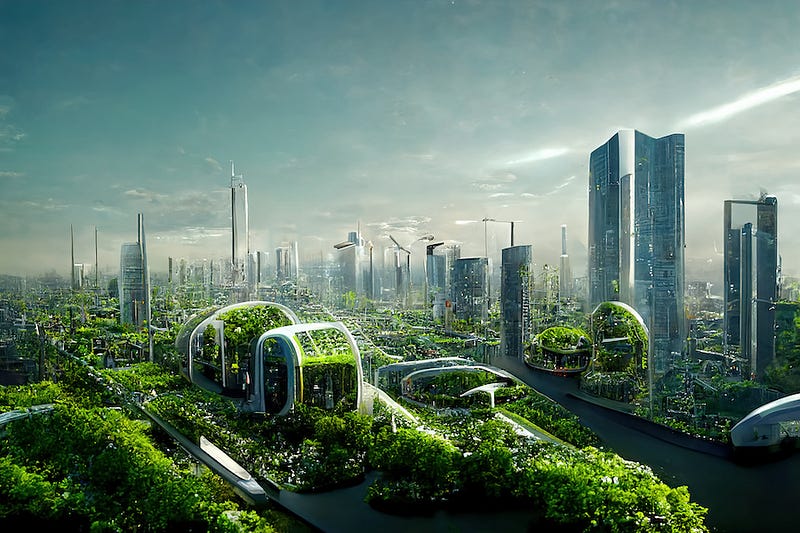
Urban ecology, a field that studies the interactions between urban environments and the natural world, is gaining prominence in city masterplanning. Gone are the days when cities were solely concrete jungles, devoid of green spaces and biodiversity. Today, urban planners are recognising the importance of integrating natural environmental elements into the iterative planning process, with a focus on creating healthier, more sustainable cities.
One of the key aspects of fusion between ecology and urban planning is the promotion of biodiversity within urban areas. Green roofs, urban parks, and sustainable landscaping are becoming essential components of city development. These features not only enhance the quality of life for urban dwellers but also provide habitats for local wildlife in the midst of the city, alongside the growing canopy of human presence.
Ecological principles are now being shaped into the development of urban infrastructure at a grass roots level. Stormwater management, for example, can be reimagined to mimic natural hydraulic systems. The implementation of permeable pavements and sustainably planned stormwater infrastructure can not only reduce flooding but also purify water, enriching urban ecosystems while safeguarding against water-related natural disasters. Urban planners are increasingly focusing on resilience, recognising the importance of reinforcing cities against the impacts of climate change. Integration of ecological features like green buffers, floodplain management, and resilient coastal development not only fortifies cities but contributes to impact reduction and overall health of the environment.
Another significant shift is the emphasis on community engagement in urban planning. We have been seeing local residents, organisations, and environmental advocates playing an active role in shaping the development of their neighbourhoods. This “bottom-up” approach ensures that ecological considerations are tailored to the specific needs and desires of the communities they serve. We’ve seen an increase in sustainable transportation options, such as cycling lanes, pedestrian-friendly streets & bridges, and energy-efficient public transit. These are now integral to urban developers and are initiatives that will reduce pollution, alleviate traffic congestion, and promote healthier lifestyles — all of which contribute to a more ecologically sustainable city.
The fusion of ecology and urban planning is not a passing trend but a fundamental shift in the way we need to approach city development. As urbanisation continues, it is essential that we continue to prioritise sustainability, resilience, and the well-being of both urban and natural environments. By harmonising ecological principles with urban design, we can create cities that mimic the entwined networks rooted in nature.
In conclusion, the integration of ecology and urban planning offers a promising path forward for our cities. By embracing the principles of this fusion, we can create urban environments that coexist harmoniously with the natural world.
As we look to the future, we can anticipate more innovative approaches that enrich the quality of life for city residents while protecting the planet we all share.