
The end of the internet
can be closer than we think
The internet as we know may be coming to an end.
I’ll share with you some changes that I witnessed myself and where I think we’re heading and sadly it’s not going to be pretty.
I mean there is a positive scenario here, but likely one most people won’t be too happy about either.
So let’s take the internet down from Big Ben for a minute and examine it more closely. Yeah, you can hold it too but don’t drop it!
The internet
We have come to take the internet for granted and, like a slowly boiling frog have accepted all the shifts in the wrong directions it has taken over the years.
- Heavy regulation: Check.
- Censorship and truth manipulation: Check.
- Privacy intrusion and tracking: Check.
- Everything’s an ad: Yeah!
and worst of all…
- EU enforced Cookie banners
The major shifts
The 90's
I got my first internet access in 1997. It was a 33600 kbit modem and downloading this article on it would’ve taken over 5 minutes.
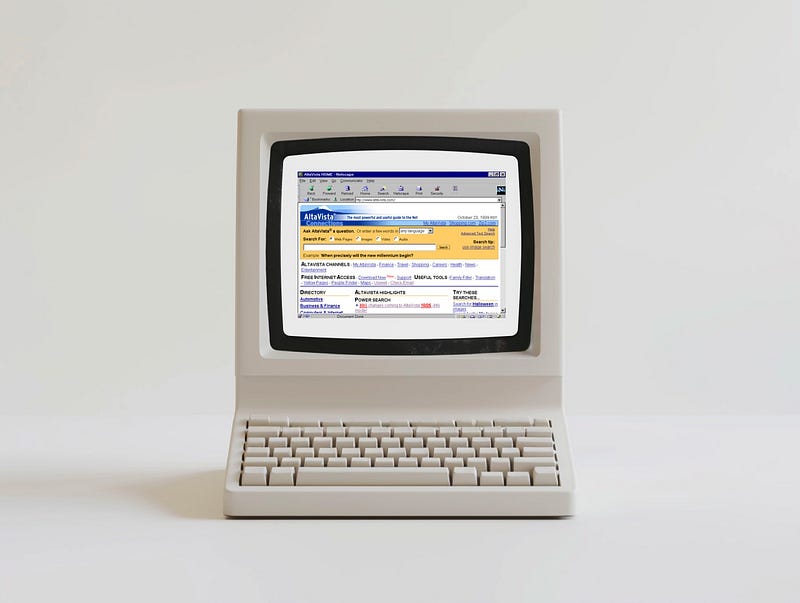
The nineties were a wild west. Everything was permitted and nobody could even take down an offensive site. There was no censorship, ugly GIF advertising and Altavista search engine.
If you want to compare it to something, Altavista was like a Google where you needed to learn specific prompt techniques to get anything useful out of it. Sounds familiar?
Early 2000's
The early 2000’s were the era of animated Flash websites — a creative time for all designers. But it was also the moment the internet changed forever.
Google created their search engine in 1998, but it was around 2000–2001 when it started getting traction. Then in 2004 a Harvard dropout called Mark Zuckerberg created what our grandparents now know as Facebook.
In October of 2000 Google started serving ads. This changed the internet forever by delivering “relevant” advertising to people through very detailed activity tracking.
It took Facebook 7 years to catch up, but in 2007 they launched their own ad program as well.
All this tracking was helping advertisers sell — things were just more relevant, but it was the beginning of the end of privacy online.

And then in 2009 Facebook launched the Like button.
An embedabble piece of code that allows you to like something outside of Facebook. And behind the scenes it was tracking user activity online and making a detailed map of how people use the internet.
This was the defining moment.
The SEO movement
Because the only way to get found back then was through search engines, a whole multi-billion dollar industry started to emerge. Search Engine Optimisation or SEO.
This part is especially important in the context of what’s coming in the future.
There were multiple techniques to “rank higher” like buying link farms, paying for spots on high ranking sites, like exchanges and … content.
SEO content was a way to trick the bots into thinking the website has a lot of relevant information by adding long paragraphs of often very small text on the page filled with keywords.
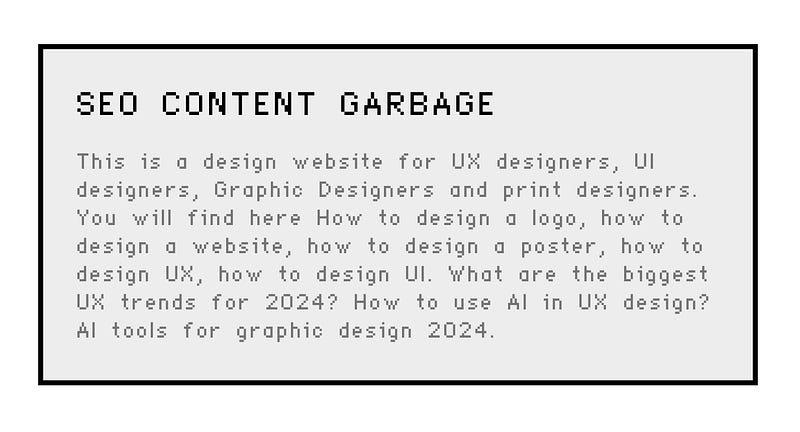
They were written in a way no human would either write or want to read and started taking over entire products.
All main pages had SEO-only sections on them, but then entire “blogs for robots” started to show up too. Hundreds of keyword filled gibberish posts just to game the algorithm and get more views.
If you ever by accident arrived at a site like that you’d click off quickly because we just see this for what it is — garbage SEO content.
The age of AI
We’re in the age of AI now, with robots of a different kind going through the web not to index it but to learn from it.
OpenAI was sued recently by the New York Times for allegedly paraphrasing entire articles from the publication in its responses. They say the infrigement goes into thousands of pieces of content.
Midjourney is scraping most of the images from the internet which led to both huge protests and data poisoning tools to try and fight it.
Bing introduced their AI integrations that answer your questions without you ever going to a website.
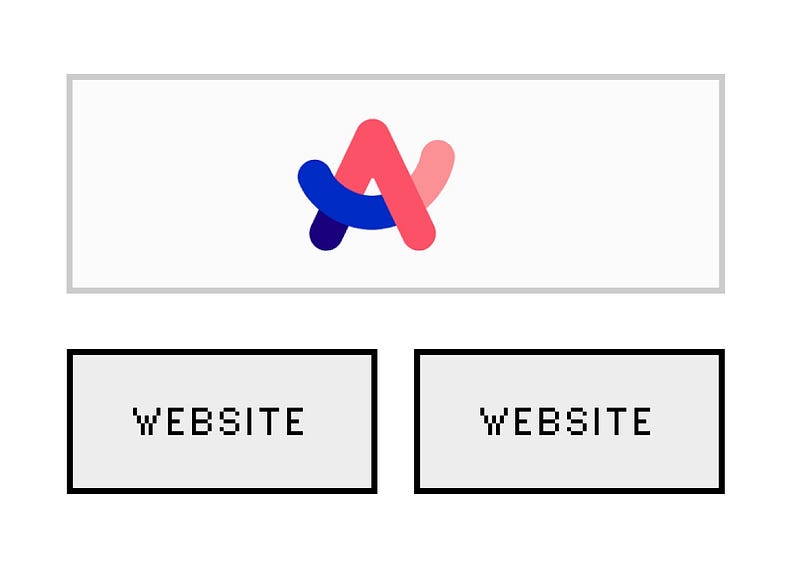
Now Arc, a fan-favorite company is trying to reimagine browsers with pushing this idea to the next level. The browser won’t really be about visiting websites anymore, but rather accomplishing tasks automatically through bots.
There is a problem with this approach though.
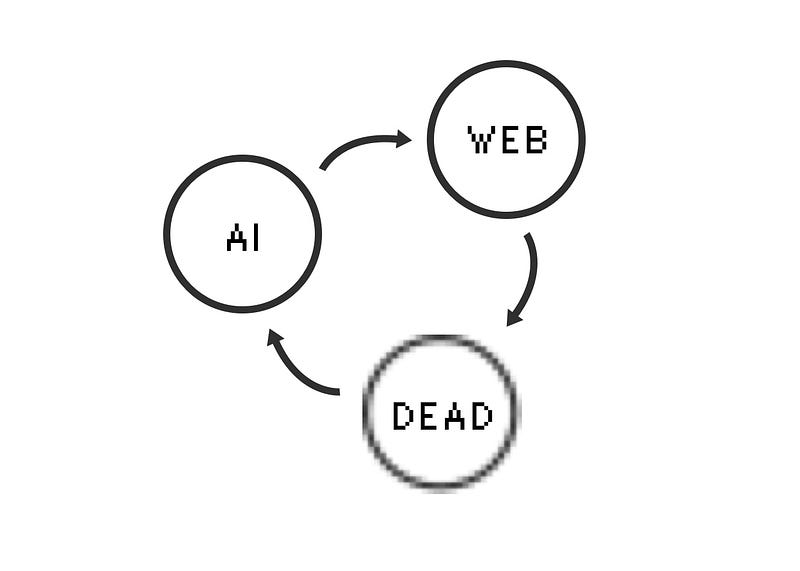
The death of internet loop
A website without traffic will lose the ad revenue and go out of business.
Then the bot won’t have any new content to parse and process from this website, leading to lower quality outputs. And this goes round and round.
What I think will happen
The internet is going to divide into two main parts.
One part will be free to access, AI generated content with the main purpose of driving engagement just like SEO articles did a decade ago.
Most people didn’t continue reading once they realised an article they clicked on was just a keyword farm for a search engine.
With AI it’s going to be different because most alternatives will go away.
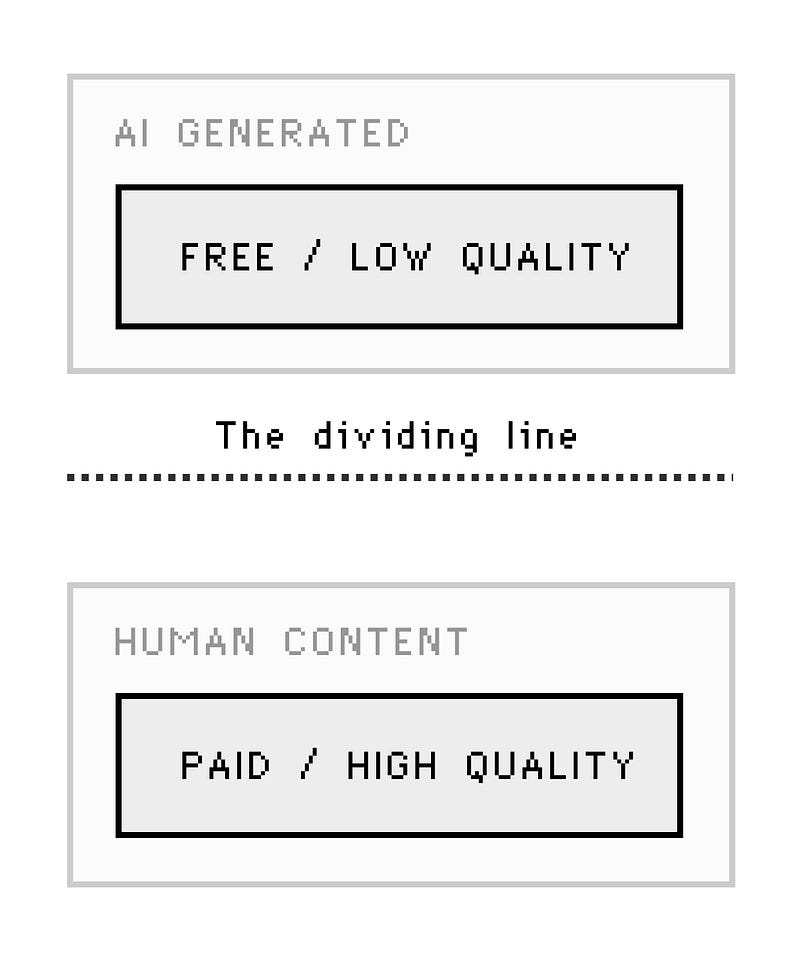
The quality net
The other part of the internet will be paywalled.
That will be higher quality, mostly human generated content — sure, with some AI help too, but very little and likely clearly annotated.
Here’s an example — we are using AI in my educational posts to generate some images. Not text, as that needs to come from a human, but even those images are annotated that they came from AI. Full transparency.
Now this paywall will either be literal — you pay some small amount of cash for access to higher quality content, or it will simply require you to log-in with your email and you pay with being signed up to newsletters.
Fair enough.
Robot bans
There will be a huge effort to remove robot scraping of content, which can mean less quality content appearing in search engines.
The outcome is the free internet will completely remove the benefits it had from the equation. Especially for underprivileged people who are unable to pay for quality content — they’ll be stuck with learning from garbage, thus widening the gap and making it harder for them to better their lives.
For other, lazy people AI will summarise AI generated content, thus diluting it further.
It’s an unsustainable model in the long run, one that will definitely be bad for humanity as a whole.
But hey, at least it’s convenient for now, right?
Internet 3.0
The internet is about to change big time, we’re already starting to move our stuff behind a login wall and disabling scraping by bots. Every industry is going that optimisation route, even my beloved design, as you can see here:
In 2024 nobody really cares about being found in traditional search — people use more direct marketing techniques most of the time.
This will only accellerate.
What do you think? Let me know in the comments!
Is the future scary? or exciting?


