
The Empty Glass
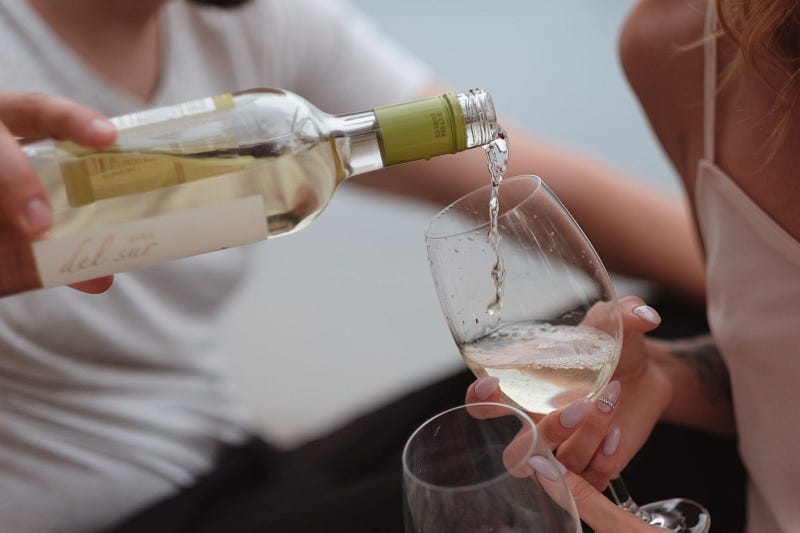
“First you take a drink, then the drink takes a drink, then the drink takes you.”
– F. Scott Fitzgerald
“Would you like a drink?”
Attend a dinner, party or a function and that is usually the first question posed. While some may offer alternatives, in most cases the question is catering towards an alcoholic libation.
We drink a lot in the world. Too much. We know it. We don’t want to admit it.
An estimated 2.3 billion people are current drinkers. Alcohol is consumed by more than half of the population in the Americas, Europe and the Western Pacific. Europe has the highest per capita consumption in the world. Asia is looking to have the highest increase in consumption over the next 10 years.
Alcohol is big business. The worldwide market is valued at over $1.5 trillion. Yet this figure is contrasted against significant loss. From an economic standpoint, the world loses hundreds of billions of dollars each year from alcohol consumption. In the US alone the estimate is over $250 billion.
But there are significantly greater issues than poor financial returns.
More than 3 million people die each year as a result of harmful use of alcohol according to the World Health Organization. Overall, the harmful use of alcohol causes more than 5% of the global disease burden making it one of the top causes of death worldwide.
We know all this. None of this is new. It’s been a growing problem for decades. We simply decide to turn a blind eye to the problems.
We don’t need reports and research to convince anyone of the issues surrounding alcohol. Everyone has been affected. Even the general media narrative that was protecting against losing advertisers has changed. The story used to be that there was no problem with 1–2 drinks a night. The research now says otherwise. Alcohol is not good for our health. Period.
Again, we know this. But as we sit at a restaurant and the waiter asks if we want a drink we respond, “I know I shouldn’t, I always feel bad. Oh well, I’ll just have one drink.”
The lockdowns over the past two years have exacerbated the issue around alcohol consumption (along with domestic abuse, sexual violence, suicide and crime). Most countries in the world saw a significant increase in consumption as people were forced to stay home and watch Netflix. The irony is that alcohol immediately compromises the immune system, which according to doctors and science, takes away our best defense against Covid.
Our societal relationship with alcohol is peculiar to say the least. We know the harm it causes and the devastating toll it takes on society. Families are destroyed with a member who struggles with alcoholism. Divorce often follows when there is a death due to drinking. But we keep our cupboards full with booze and we participate in the farcical narrative that we need to drink to have fun. The message we send to our children is ultimately confusing. We tell them never to drink while at the same time we hold a drink in our hand.
For anyone who ever attended an Al-Anon meeting, they understand the shared pain. Al-Anon is for family and friends of alcoholics. It is a complement to Alcoholics Anonymous which is for the alcoholic. The meetings share a common theme: desperate family members don’t know what to do anymore and Al-Anon offers their last hope. For many they grew up with alcoholic parents. Many of these children carried on the tradition thinking that they could handle their addiction better than their parents. Alcohol strips the individual of their soul, creating an empty vessel.
A glass of wine or beer to compliment a meal can be satisfying. Both have been a part of traditions and cultures for thousands of years. Our challenge is we just don’t know when to stop. Or more honestly, we can’t stop.
Along with 3 million deaths, over 100 million people have alcohol abuse disorders. It is simple math to understand the profoundly tragic effect of alcohol. When is enough enough? When will we begin to speak more openly and truthfully about the damage caused by drinking?
Of course, we can just stop drinking.
But this is easier said than done. Alcoholism is an addiction triggering similar responses in our brain as coffee, heroin, sugar, cocaine, sex, technology and working. Everyone has an addiction. We don’t like to compare an alcohol addiction to someone who can’t start their day without coffee but there are some similarities that can perhaps give us a small insight into this troubled world.
We can all do our part. We can start by removing the social pressures of drinking and setting a better example for our children and young people. We do not need to buy into the advertising that the only way to enjoy a beach sunset is with a beer. We can be aware when we are having a drink when our body and heart are telling us not to.
Is the answer compassion? Not just compassion from others to those struggling but compassion towards ourselves? Someone who is a problematic drinker is dealing with their own pain. They feel a drink helps to fill that void yet it is an insidious trick as the alcohol only makes the emptiness greater and drives away those who love them the most.
It’s overwhelming processing all the challenges that exist in the world. We talk about so many here in these newsletters not to depress but hopefully to bring awareness for further discussion and understanding. Alcoholism is one of the most complex societal issues with no easy solution.
In the end all we can ever do is to be kind, listen, love, understand and support each other to maybe lessen the emptiness.
Thank you.