

The Emerging Era of the AI PC: Hype or Game-Changer?
Greetings tech enthusiasts! The intersection of artificial intelligence (AI) and personal computing has generated significant buzz. As we stand on the threshold of a new era, the key question arises: Is the arrival of AI-powered personal computers mere hype, or are we truly on the brink of a game-changing technology?
First, let’s explore what industry giants Intel and AMD are doing to shape this transformative landscape.
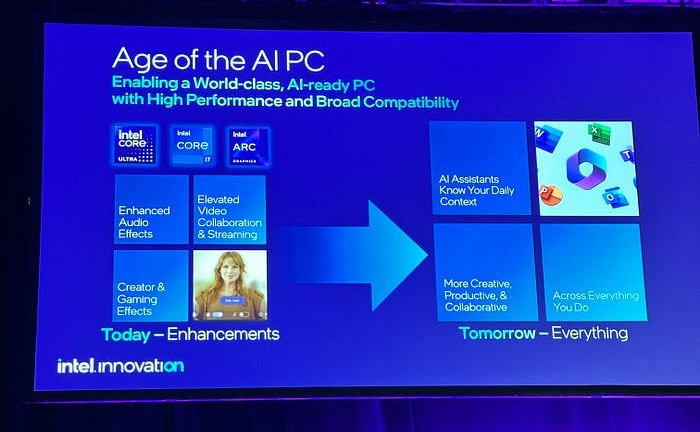
Intel proclaims the AI PC powered by Intel is here:
“AI acceleration built into every processor. Our new 3D performance hybrid architecture integrates CPU, GPU, and NPU into a single package. So now, customers can enjoy exciting new AI capabilities — like real-time language translation, automation inferencing and enhanced gaming environments.”
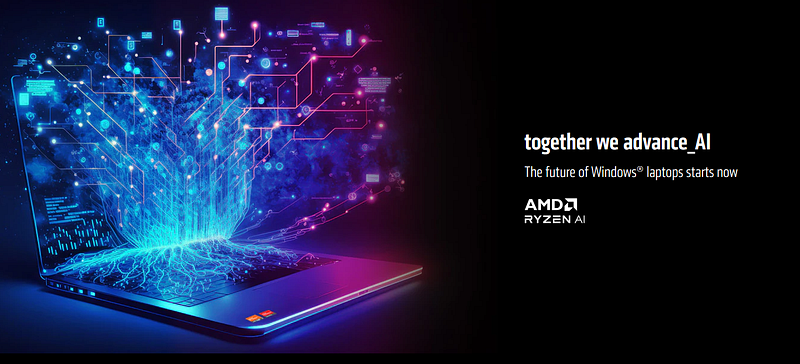
Meanwhile, AMD envisions a future where AI Tech is Built In:
“Imagine a world where your computer is more powerful, more efficient, and more intuitive than ever before. A world where advanced personal virtual assistants, exciting AI applications, enhanced video conferencing and AI inspired visuals have just begun to broaden your digital horizon. Together, we advance the future of personal computing with AMD Ryzen™ AI.”
So, what is the current state of personal computing?
To understand the potential impact of AI on personal computing, it’s essential to first examine the current state of affairs. Traditional personal computers have come a long way from their beginnings, evolving into powerful machines capable of handling complex tasks ranging from gaming and content creation to scientific simulations. However, as our demands on technology grow, so do the challenges. Issues such as processing power limitations, energy consumption, and the need for more intuitive user interfaces have spurred the exploration of AI integration into personal computers. The promise is clear: a smarter, more efficient computing experience that adapts to user needs.
The Hype Surrounding AI PCs
Skepticism abounds when it comes to emerging technologies, and AI in personal computing is no exception. Some critics argue that the current hype surrounding AI-powered PCs is inflated, fueled by a desire for innovation rather than a genuine necessity. They question whether the average user truly needs a computer that leverages AI or if it’s simply a marketing ploy to sell the next generation of devices. Furthermore, concerns about data privacy and security have been raised, as AI systems often require access to vast amounts of personal data to function optimally. Addressing these concerns will be crucial in gaining widespread acceptance of AI-powered personal computers.
The Potential Revolution
On the flip side, proponents of AI-powered PCs argue that we are on the cusp of a revolutionary shift in computing. They envision a future where computers seamlessly integrate with our lives, learning from our behaviors and preferences to provide a personalized and efficient user experience. From automating routine tasks to enhancing creativity, the potential applications of AI in personal computing are vast.
Imagine a computer that understands your work patterns, anticipates your needs, and adapts to your workflow. This level of customization has the potential to significantly boost productivity and make computing a more intuitive and enjoyable experience.
Real-World Applications
While the debate continues, real-world applications of AI in personal computing are happening now. Virtual assistants, smart suggestions, and predictive typing are just the tip of the iceberg. As AI algorithms become more sophisticated, we can expect even more profound changes, such as AI-driven content creation, advanced problem-solving capabilities, and immersive virtual environments.
The question of whether the coming AI-powered personal computers are mere hype, or a true revolution remains open. What is certain is that the integration of AI into personal computing has the potential to reshape the way we interact with technology on a fundamental level. As the technology continues to mature and address privacy concerns, we may find ourselves on the brink of a computing revolution that transcends the boundaries of what we thought possible. Whether this revolution lives up to the hype or not, one thing is clear: the future of personal computing is undeniably intertwined with the rise of artificial intelligence.
If you like this article, please clap for it.
Follow me on Medium to stay updated with my latest content.
If you enjoy reading stories like these and want to support me as a writer, consider joining Medium. It’s $5 a month, giving you unlimited access to stories on Medium.