
The Electric Renaissance: Reliving the Golden Age of Electric Cars
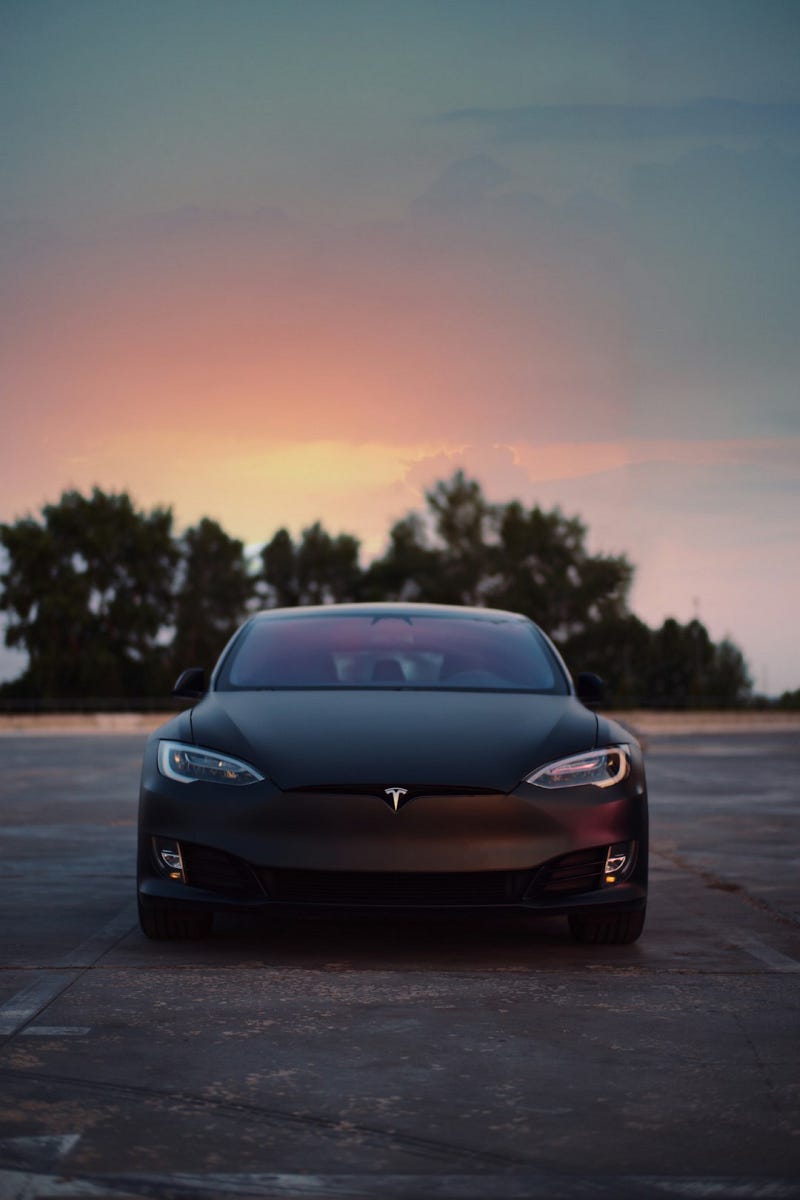
In the whirlwind of automotive innovation at the turn of the 19th century, a splendid revolution was quietly unfolding: the era of electric cars. Picture for a moment the streets of New York, once populated by these elegant and silent creations, whose ecological and driving virtues could not be ignored.
An unexpectedly brief yet promising golden age, where one-third of the cars racing through the crowded streets of New York, including taxis, were powered by electricity. These refined and sophisticated vehicles were welcomed with enthusiasm, thanks to their lack of harmful emissions and the pleasant absence of noise and vibrations, in stark contrast to their gasoline-powered counterparts.
However, in 1908, the arrival of Henry Ford’s Model T marked a crucial turning point in automotive history. The allure of gasoline cars, cheaper and now accessible thanks to mass production, heralded the beginning of the decline of electric cars. Although temporarily silenced by the triumphant march of fossil fuel-powered cars, electric cars never completely disappeared from our collective consciousness.
Today, as we confront the challenges of climate change and sustainability, there is a glorious return to the use of electric cars. Technology has taken giant leaps since their inception, making modern electric cars not only an ecological choice but also a choice of performance and comfort.
The roads are ready for a new electric renaissance, where elegance, efficiency, and sustainability drive our vision of a brighter future. Let us rediscover the enthusiasm and innovation that characterized the early days of the electric car and embrace a new era of emission-free mobility, guided by the vision of a better world for future generations.
Today, there exists a fascinating divide among car enthusiasts: those who revel in the thunderous roar of traditional internal combustion engines, and those who are captivated by the silent yet powerful acceleration of electric vehicles like Tesla.
For some, the visceral experience of a combustion engine’s rumble is an integral part of the driving experience. The symphony of pistons firing and exhaust notes resonating can evoke a sense of excitement and nostalgia, especially for those who grew up in the era of gasoline-powered cars. The thrill of shifting gears and feeling the engine’s power surge through the vehicle is unmatched for many petrolheads.
On the other hand, there’s a growing cohort of drivers who are drawn to the sleek, futuristic allure of electric vehicles. Tesla, in particular, has captured the imagination of millions with its cutting-edge technology and lightning-fast acceleration. The instant torque provided by electric motors delivers a seamless and exhilarating driving experience, propelling passengers forward with breathtaking speed. Moreover, the near-silent operation of electric cars offers a serene environment free from the vibrations and noise associated with traditional engines.
The choice between the rumble of an internal combustion engine and the silent acceleration of a Tesla comes down to personal preference and priorities. While some may cherish the heritage and sensory experience of traditional cars, others are embracing the forward-thinking technology and environmental benefits of electric vehicles. In this ongoing debate, both sides contribute to the rich tapestry of automotive culture, driving innovation and diversity in the world of transportation.