
The Effects of Loneliness: What It Does To Your Mind, Body And Social Life
What To Do When We Feel Alone

Loneliness can be described as a feeling of emptiness and void. The feeling is often triggered by the feeling of isolation and can be experienced in many different ways. It can make us feel sad, anxious, lost, and even unloved. It doesn’t really matter how we feel about it; loneliness is overall bad for our health. Previous studies have indicated that loneliness can have a negative effect on our well-being and quality of life.
Loneliness is a feeling that can happen to anyone.
It’s a complex phenomenon that is related to many things such as one’s environment, personality, and social skills. This could be due to a lack of stability and support in the individual’s life, or it could be due to depression. The effects of loneliness can vary from person to person and range from mild to severe. But it’s important to know the facts before understanding how we can solve this problem.
In this article, we will explore the effects of loneliness on our mind, body, and social life to understand just how much it impacts us.
How Loneliness Affects Our Mental Health
Loneliness is associated with a whole host of mental health issues, from depression to anxiety. Loneliness is particularly hazardous in terms of mental health. Here are just a few ways loneliness can affect our mental health:
Lowered self-esteem
The answer to this is pretty clear: people who feel lonely often have a lowered sense of self-worth, and are likely to have higher levels of depression and anxiety than those who don’t feel lonely. The drop in self-esteem can lead to an increase in anxiety, which, in turn, can lead to many other mental health issues.
Impact on Our Emotional Well-being
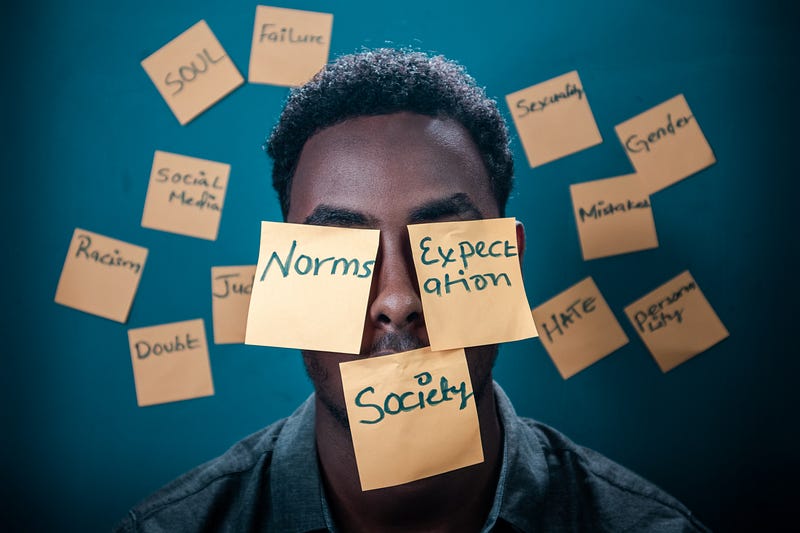
Loneliness makes us more vulnerable to stress and anxiety. When we are lonely, we find it harder to keep our attention on tasks and often have a harder time being happy. Research shows that individuals who are chronically lonely tend to have high levels of the stress hormone cortisol, which is thought to lower our moods and make us prone to depression and feelings of anxiety.
Feeling Isolated Even When Surrounded By People
We live in a technologically focused world where we spend most of our waking hours connected to the web. Social media and networking sites are being utilized in a more systematic manner than ever before, as it becomes easier than ever to connect with people. This is great for some people, but not so great for others who are already feeling lonely. Although we are more connected than ever before, there has been a surge of loneliness in the age of social media. Research has suggested that social media may “divide us as a society” and cause negative effects both in our social lives and mental health. In return, it can have a negative effect on our emotional well-being.
Research has indicated that loneliness via social networks can have a negative effect on our level of self-esteem and cause depression. Being surrounded by people online may also make us feel lonelier, as we learn that we do not share the same values, experiences, or quality of connection. Social Media addiction can actually cause us to miss out on interacting socially in real time as we are addicted to receiving positive reinforcement through our “news feed” and constant “scrolling.”
Our lives are already structured around being online, so feeling isolated from that aspect can really impact us more than we realize.
Impact on Our Cognitive Functions
Loneliness makes our brain suffer from an impaired performance of our cognitive functions. One of the brain’s functions that it is expected to perform is our memory which has been thought to be negatively affected by chronic feelings of loneliness. Loneliness can lead to our brain not performing as we expect.
How Loneliness Affects Our Physical Health
Loneliness can often lead to a higher level of depression and anxiety. Both can cause startling physical symptoms. Many times, those experiencing the effects of loneliness can turn to unhealthy habits as a way to cope which can increase risks of other health issues.
This article further explains the health risks associated with loneliness.
How Loneliness Affects Our Social Life
Sometimes, feeling alone may lead to social anxiety. Social anxiety can affect your social life to the point where you’re avoiding social situations altogether.
Loneliness can also trigger other forms of anxiety, depression, and more, and this can have a negative impact on your social life and how you interact among others.
Conclusion:
What to do when you feel alone?
One way to reduce loneliness is to find others to engage in meaningful, everyday activities with, like meeting up for a coffee or to go for a walk. You can also start writing to someone you know who feels lonely and share how you are feeling with them. The best way to combat loneliness is to reach out.
Building friendships takes work, but meaningful connections prove that we are not meant to be alone or feel alone.

References and more information:


