
Business
The Effect Of Globalisation On The Economy
The Good, Bad & Ugly Side Of Globalisation In Business
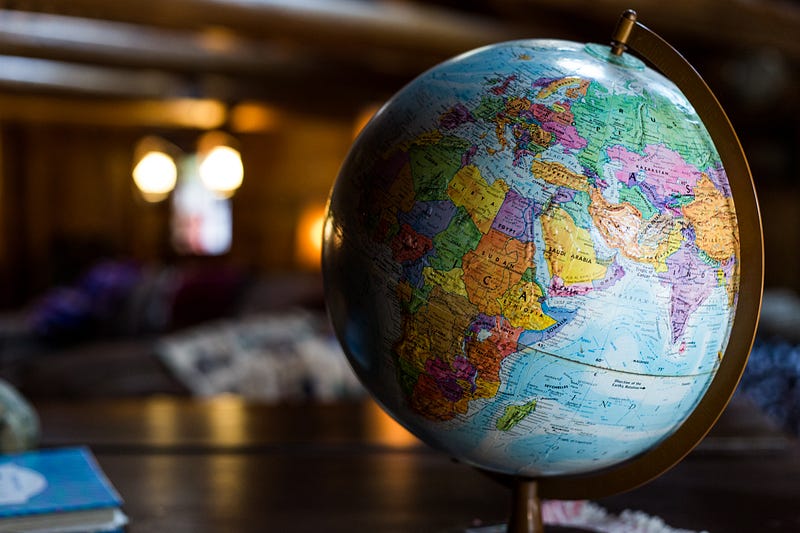
What Is Globalisation?
In an article by Jason Fernando, published in Investopedia, the author defined globalization as:
“…the spread of products, technology, information, and jobs across national borders and cultures. In economic terms, it describes an interdependence of nations around the globe fostered through free trade.” — Source.
Benefits of Globalisation
- Increases the competition between the online store and physical customer and provides greater choices to customers.
- Provides wider markets and increases business opportunities. In turn, it provides familiarity and improved awareness for the customer.
- It provides business opportunities such as mass production, finance, and investments. In turn, customers access lower prices and wider options.
- Economies of scale
- Increased global investments
- Free movement of labor.
- Franchising opportunities.
- Multiple streams of income for businesses.
Disadvantages/Costs of Globalisation
- Globalization causes environmental issues due to mass production and transportation.
- Can cause human rights violations, such as child labor.
- Tax avoidance.
- The exploitation of workers.
- Loss of local culture, as the main focus will be on financial gains.
An example of this is what is happening with local farmers, as globalization has caused a loss of culture and financial losses for the farmers. In Finland, there is hardly anything that is 100% Finnish-made, as Finland relies on mostly exported materials especially related raw ingredients.
Do you support globalisation?