
The Easiest Step You Can Take to Start A Garden: Composting
Starting is the hard part; don’t complicate it.
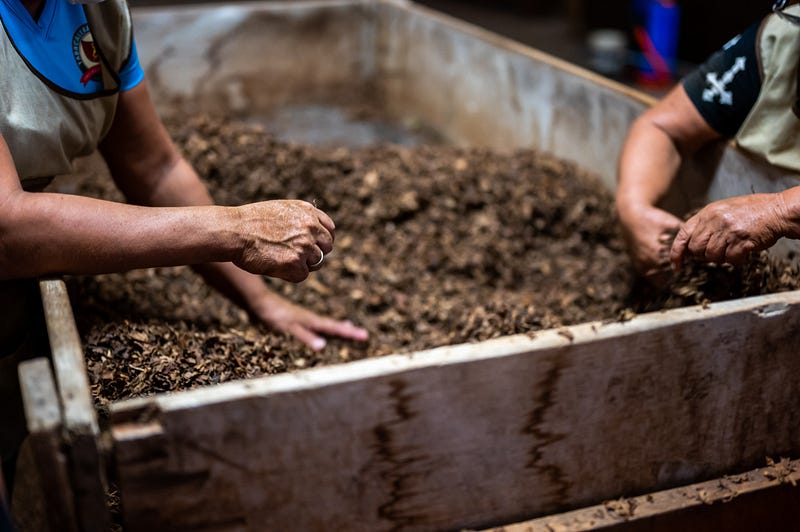
When I was living in LA, I decided to start a compost. I had to do all the research on the least important things. Which it seems is the case in almost anything we do in our lives.
We get hung up on them instead of getting to the meat of the project.
I looked over why I was starting a compost, what did I want to achieve with my compost, nothing. After agonizing over “which compost bucket is best,” I bought one.
It was around $100. A bucket with a lid costs maybe a max of $20. I look back and think, what was I thinking?
I had no idea why I wanted to compost, except I wanted to. I often jump into things in my life this way and never follow through until I ask myself: why do I want to start a compost? What are my goals?
It is like this with anything in life. If you do not know where you are going, how do you expect the navigation to lead you there?
My compost was functional, but I neglected it, abused it, and just left the box and all when I moved out. It no longer interested me.
Fast forward three years, and I then realized the benefits of composting when you want to have a garden.
I think starting a compost is the first thing you should do before your garden since it can take time to break down, and there is so much waste that you can chuck into it.
So please do not do what I did: do not agonize over the box type. Use a bucket with a lid, and stick it outside your door or in a spot out of the way.
I am not a compost expert; google it if you want the nitty-gritty.
Let’s start; and then form a habit, which is the HARDEST part.
Step 1. Buy a bucket with a lid.
Step 2. Put your kitchen waste in the bucket. There are a few rules here.
First, I will tell you what NOT TO PUT in it.
- Meat and Fish Scraps
- Dairy, Fats, and Oils
- Anything that has pesticides.
- Diseased or Insect-Infested Plants
- Weeds that Have Gone to Seed
- Dog/Cat Waste.
- Glass/Plastic/Glossy Paper
What is acceptable in a compost bin:
- Grass clippings
- Tree leaves
- Fruit/Veggie scraps, including coffee grinds/tea leaves/egg shells
- Black/white newspaper
- Printer paper
- Cardboard
- Animal manure such as cows, horses, rabbits, hamsters
- Hair (not chemically treated)
The down and dirty, you can always google your specific questions. When you start the compost, I advise you to add some grass clippings or dirt to help balance out the food debris that will be most of your compost.
Once you move your compost to an outside bin and have made a habit of throwing your food waste in the bucket, you can level up. There are tons of YouTube videos for this. I am not an expert in the amount of each.
Here in Colombia, my compost breaks down fast due to the hot climate, but it will take longer if you live in colder weather. It takes time, but when it starts to break down, and you start to see worms, this is a GOOD thing!!
As I said, this can get as complicated or simple as you want.
We made our compost box with wood scraps we found lying in the street. It was easy to make, and I now have a worm factory, and I fertilize my plants as much as possible.
You have created fertilizer for your future garden. Congratulations:)
Thank you Amanda Laughtland for creating this new publication, The DIY Diaries, for us to step outside our comfort zones!
XOXO
S.


