
The Earth-Body Connection: Create A Sustainable Lifestyle For Your Longevity
Foster health while connecting to nature
The way we treat the Earth is a reflection of how we treat our bodies.
We think we are quite separate from nature in the way we isolate ourselves in our home, the way we drive our cars more than we walk, and the way we eat our food in our plastic containers.
Mother Earth is crying for help, for us to make some major changes in the way we treat our environment. There must be political action taken for many of these changes, but on a day-to-day basis, what can you do? How can this even be on the forefront of our mind if it feels so far removed?
Our health is correlated to nature on a multitude of levels.
The ancient health system Ayurveda uses nature as a structure for a person’s day; some examples are listed below.
- Wake up with sunrise (or an hour and a half beforehand)
- Go for a walk outside after you wake up
- Eat your largest meal at noon when the sun is highest
- Do not eat when it gets dark outside; it is when your digestion is slowest
Unfortunately, modern societies have “moved on” to a more efficient lifestyle where we do not need to walk. We do not need to wake up with the sun — we have alarm clocks. We eat late night snacks and watch our blue-light emitting devices at odd hours of the night…our relationship with light has become complicated.
Thankfully, connecting to nature and its rhythm is a viable solution to our sleep problems, our eating habits, and home-oriented practices.
Let’s get going.
Sleep
Wake up with the sun, and fall asleep two to three hours after sunset.
Ayurveda teaches the importance of connecting to the nature’s rhythm in this way to avoid the morning malaise that follows after waking up.
- These early morning hours, according to the Vedas, are for meditation, prayer, journaling, and other mindfulness practices that mentally and spiritually prepare you for the rest of your day.
- Upon completion of the mindfulness practice, go for a morning walk to move the body just as the earth begins to wake.
Unfortunately, our blue-light emitting devices stimulate the light receptors in our eyes which, in turn, send signals within your endocrine system to suppress your sleepy hormone, melatonin.

This is not to say that blue light is bad because the sun is the most important form of blue light that we can ever get. However, it is the timing of this blue light that makes the difference.
Thankfully, you do not have to try so hard to sleep better than you are now.
- Start by exposing yourself to natural light within 30 minutes to one hour of waking.
- Delay your caffeine intake. Some experts recommend after 8 am, and some recommend consuming it between 9am and 11am. Either way, try not to have your coffee right after you wake.
- As for your late night devices, avoid using them from 11pm to 4am as this is when your body is in its deepest sleep and lowest body temperature.
Try to wind down and relax your body within 30 minutes to two hours before bed, really minimizing if not completely eliminating your blue light exposure before bed.
- This aids in stimulating your body’s production of melatonin, helping you fall asleep faster for a deeper sleep. Remember: sleep is not considered relaxation. Sleep and relaxation are very separate entities.
Sleep is the foundation of health. When we are well-rested, we detoxify and nourish our brains to make better decisions the next day.
When you get more sleep, studies show that you are literally more compassionate and patient with other people. And people…are simply nature incarnate.
Eating Habits
When you look at animals in nature, are they constantly eating? They may not be starving themselves, but there is this pattern of fasting between meals. There is no “snacking” in the wild.
Nevertheless, we are fortunate in our modern life to have such accessibility to food when it was once scarce, and it is still scare in many parts of the world. However, this comes with its own challenges.

We are talking chronic diseases and disorders, cancer, autoimmunity, allergies, and so much more.
Our convenience eating sometimes just cannot be avoided. Our lives get to a point of hectic overwhelm where all we have time for is a packaged, processed something, most likely in a plastic container or wrapper.
Some best practices to connect with nature via your food are:
- Eating with the season.We have lost this ability with our supermarket infrastructure. Check out my how-to guide here.
- Cooking at home, and minimizing the purchases of pre-made items.
- Checking out your farmers’ markets and CSAs to eat local.
- Eat whole foods and be mindful of food additives and food labels.
Home-oriented Practices
There are practices you can take in the comfort of your own home to connect to nature while reducing your carbon footprint.
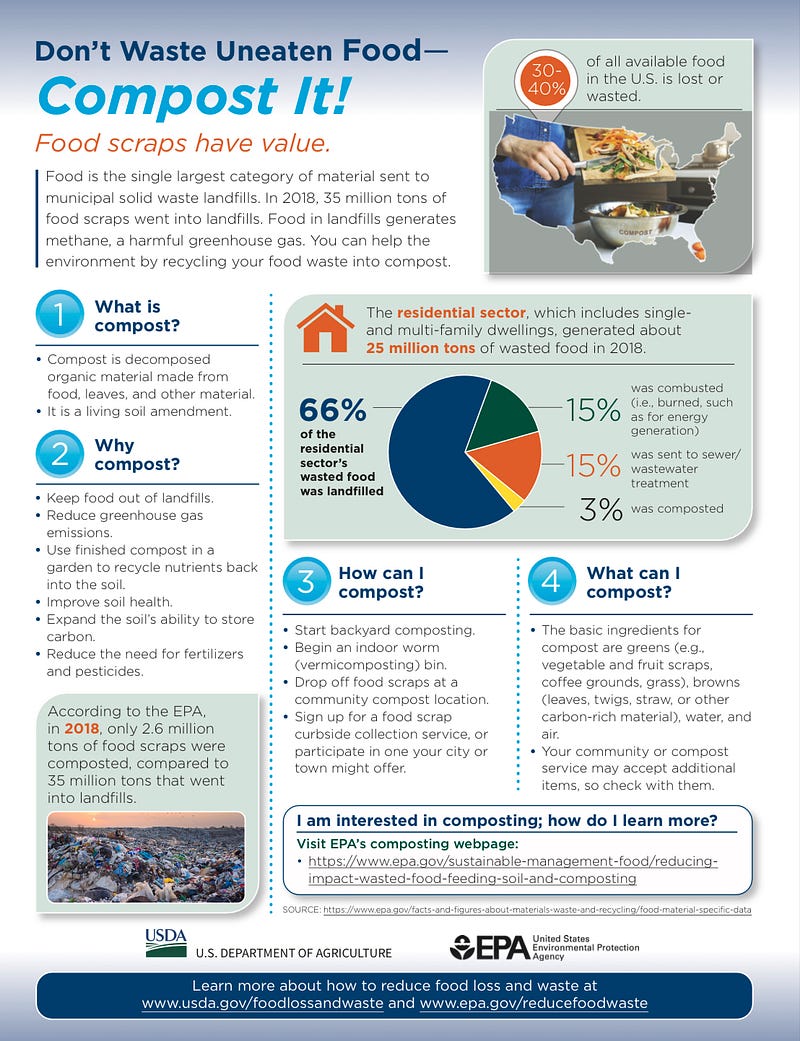
- Compost. You can start this right away by mixing food waste and yard clippings (leaves, grass, and even cardboard and paper). Place the mix outside and let it aerate.
- Recycle. There has been enough published evidence on the impact of this action, but check out Stanford University’s Frequently Asked Questions for the benefits of recycling.
- Reduce water intake. Water is a finite resource. We seem to forget this as we take long, luxurious showers and leave the sink on while we brush our teeth.
- Be mindful of your energy efficiency. Turn the lights off as you leave the room. Update florescent lightbulbs that consume a lot of energy to LED lights. If possible, opt for Energy Star certified appliances.
- Check your local regulation if you have any energy saving rebates available. For example, some counties allow residents to receive a rebate to replace old gas appliances and to switch energy and water efficient appliances.
- When doing any kind of landscaping or construction at home, look into hiring an eco-friendly service or to receive some guidance on doing so.
Remember that if something is toxic to the earth, there is a high probability that it is toxic for humans.
For instance, micro-plastics can actually create micro-tears in your small intestine while simultaneously polluting the ocean among the other particles of beach litter.
Reducing your carbon footprint is an essential part of connecting nature because the earth is what gives us vitality.
We breathe the oxygen produced by plants. We eat the animals that roam the fields and the vegetables that grow alongside them.

The human body is nature incarnate. You do not need to live in a cabin in the middle of the woods to live in harmony with the earth. You can be amidst the hustle and bustle of a city and still do your part.
Your body and the earth together can co-create a peaceful existence that focuses on mutual health benefits.
But this requires a little bit of effort. Are you up for it?