avatarPene Hodge

Free AI web copilot to create summaries, insights and extended knowledge, download it at here

2906

Abstract

ents followed, usually a few kilometers inland on the larger rivers.</b></p></blockquote><blockquote id="9a00"><p><b>The initial purpose of the Dutch settlements was trade with the indigenous people. The Dutch aim soon changed to the acquisition of territory as other European powers gained colonies elsewhere in the Caribbean.</b></p></blockquote><blockquote id="9580"><p><b>Although Guyana was claimed by the Spanish, who sent periodic patrols through the region, the Dutch gained control over the region early in the 17th century.</b></p></blockquote><blockquote id="8993"><p><b>Dutch sovereignty was officially recognized with the signing of the <a href="https://en.wikipedia.org/wiki/Peace_of_M%C3%BCnster">Treaty of Munster</a> in 1648.<a href="https://en.wikipedia.org/wiki/History_of_Guyana#cite_note-:1-2">[2]</a></b></p></blockquote><blockquote id="004a"><p><b>The Dutch commercial concern administered the colony, known as <a href="https://en.wikipedia.org/wiki/Essequibo_(colony)">Essequibo</a>, for more than 170 years.</b></p></blockquote><figure id="07d2"><img src="https://cdn-images-1.readmedium.com/v2/resize:fit:800/0*2QaU2oTobE-V6Z8E"><figcaption>Photo by <a href="https://unsplash.com/@clarephotolover?utm_source=medium&amp;utm_medium=referral">Clarissa Watson</a> on <a href="https://unsplash.com?utm_source=medium&amp;utm_medium=referral">Unsplash</a></figcaption></figure><h2 id="92c3">Dutch language influence</h2><blockquote id="0df2"><p>In the country that is now called Guyana, English is currently the official national language.</p></blockquote><blockquote id="abae"><p>However, local variants of English-Creole are the most widely spoken. Dutch language influences are still visible in the streetscape.</p></blockquote><blockquote id="ff3c"><p>From 1616 to 1812, Guyana was a Dutch colony, which can be heard in the names of streets (Vlissengen Road), the names of people such as Amsterdam, De Haan, Deweever, Holland, Meertens and Westmaas, of forts (Fort Zeelandia, Fort Kyk-over-al) and the names of villages such as Goed Fortuin, Goedland, Goed Raad, Herstel, Nootenzuil, Ruimveldt and Schoon Ord.</p></blockquote><blockquote id="14f9"><p>Before 1812 the capital Georgetown was called Stabroek, named after the then head of the West India Company. There is still the Stabroek Market and the newspaper Stabroek News.</p></blockquote><p id="51af">So as kids, we found Dutch coins and other items everywhere.</p><p id="b206">The coins were locally called “Jill”.</p><p id="0510">We would find old coins, we placed them in the soil, spat on them, and worked them back to their former glory using the heels of our feet.</p><p id="af79"><i>An ingenious finding!</i></p><p id="89df">The words Penny and Jill were interchangeably used and thus evolved my nickname.</p><p id="300d">Penny-Jill.</p><p id="647c">My mother, I believe (<i>I remember her calling me that as a child</i>

Options

), referred to me as Penny-Jill, then the Penny fell off and for a time I was left with Jill.</p><p id="2363">I further dismantled it to reflect the present-day — Pene.</p><figure id="4fc9"><img src="https://cdn-images-1.readmedium.com/v2/resize:fit:800/0*m0bd-KnfhvcQxSkB"><figcaption><a href="https://the-low-countries.com/article/the-dutch-language-is-deeply-rooted-in-guyana">Image credit: thelowcountries.com</a></figcaption></figure><h2 id="3a1a">Back to the Dutch jar under the kitchen table</h2><p id="e44b">I left my grandma’s home while my legs were still short, leaving the Dutch jar behind.</p><p id="2540">In 2009, during a visit to bury my grandmother, I saw the jar almost completely buried beneath the mud of the backyard.</p><p id="72f7">The memories propelled me, and I rescued and cleaned the jar off.</p><p id="406b">Unfortunately, a portion of the top had broken off, but I did not care.</p><p id="caa3">I asked my cousin to please take possession of it until I could find a safe space to keep it.</p><p id="3ffd">I have since built a house there, and I asked another cousin to please uplift the jar and take it home.</p><p id="186f">There has never been a time in my memory when that jar had not sat in my grandma’s kitchen.</p><p id="a524">It is the source of so many childhood memories. I cannot let them go.</p><p id="8d6d">Even though I may never find the means to restore it to its former glory, I would rather have it fractured than not at all.</p><p id="9869">To lose it will feel like I lost a part of my childhood and a valuable piece of myself.</p><p id="fd8f">I will polish it and most likely give it a prominent spot in a corner of my own kitchen.</p><p id="5732">I know grandma would approve!</p><p id="32f4">Inspired by <a href="undefined">Trista Signe Ainsworth's</a> prompt — what stories do they tell and why are they special to you?</p><div id="bb07" class="link-block"> <a href="https://readmedium.com/your-precious-treasures-6a8a20e327eb"> <div> <div> <h2>Your Precious Treasures</h2> <div><h3>Thank You Notes #39</h3></div> <div><p>medium.com</p></div> </div> <div> <div style="background-image: url(https://miro.readmedium.com/v2/resize:fit:320/1*oC8D-oIwy2Y5xBBfgQMiaQ.jpeg)"></div> </div> </div> </a> </div><p id="7a50"><a href="https://medium.com/@justpene50"><i>Pene Hodge</i></a><i> is a mom, a nurse, a writer. <b>She writes because she must</b>. She loves people and is committed to sharing and gleaning knowledge for the betterment of all.</i></p><p id="7f39"><a href="https://justpene50.medium.com/membership">https://justpene50.medium.com/membership</a></p><p id="0069"><a href="https://medium.com/our-souls-in-words">https://medium.com/our-souls-in-words</a></p></article></body>

The Dutch Jar in My Grandmother’s Kitchen

Tales from the genesis that impacted the ‘me’ of today
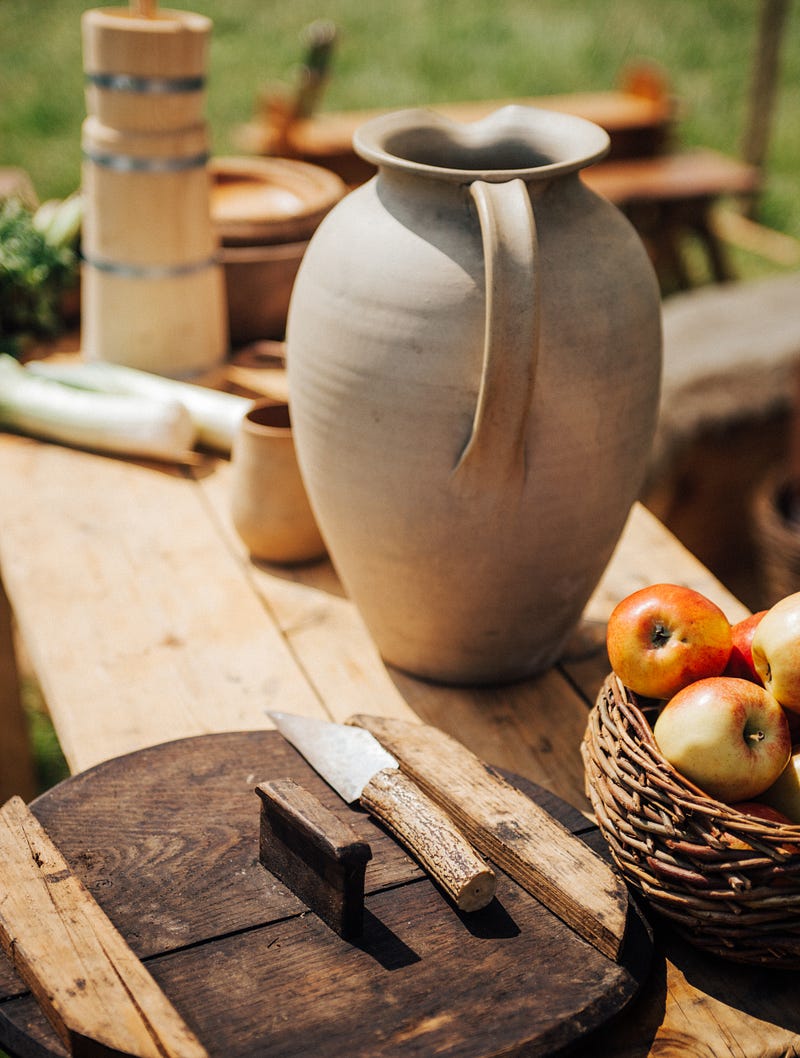
Photo by Clem Onojeghuo on Unsplash

My father’s mother was a petite woman, 4 feet 11 inches to be exact.

My dad was well over six feet tall.

My sister and I are both almost 6 feet tall.

Until I was 17-years-old, I was as petite as my paternal grandmother, so the general consensus was that I have done most of my growing and I was destined to be as “small” as my grandma.

So, with my short legs, I remember being in my maternal grandmother's kitchen many times.

This is the kitchen in the home I grew up in.

Sitting at the table close to the window that overlooked our vegetable garden and homes of friends and relatives nearby.

My sister and I ate there each day.

Under the table, a large Dutch jar resided.

My grandmother initially used it to store sugar and later rice.

I remember sitting on the wooden bench swinging my short legs and they would never hit the Dutch jar.

That was not the only such jar at our home, though the others were smaller.

Over the years, the other jars housed homemade wine made from many local things.

Once upon a time, Guyana was a Dutch colony.
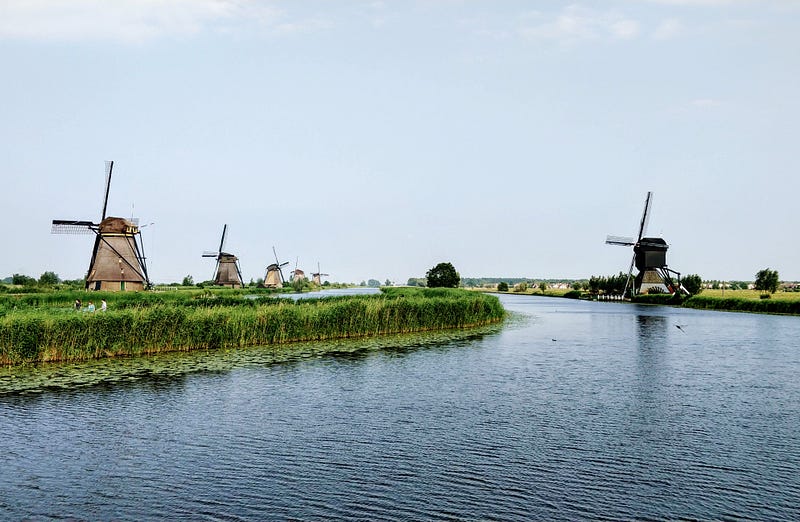
Photo by Vishwas Katti on Unsplash

Dutch influences in Guyana

The Dutch were the first Europeans to settle modern-day Guyana.

The Netherlands had obtained independence from Spain in the late 16th century and by the early 17th century had emerged as a major commercial power, trading with the fledgling English and French colonies in the Lesser Antilles.

In 1616, the Dutch established the first European settlement in the area of Guyana, a trading post-twenty-five kilometers upstream from the mouth of the Essequibo River. Other settlements followed, usually a few kilometers inland on the larger rivers.

The initial purpose of the Dutch settlements was trade with the indigenous people. The Dutch aim soon changed to the acquisition of territory as other European powers gained colonies elsewhere in the Caribbean.

Although Guyana was claimed by the Spanish, who sent periodic patrols through the region, the Dutch gained control over the region early in the 17th century.

Dutch sovereignty was officially recognized with the signing of the Treaty of Munster in 1648.[2]

The Dutch commercial concern administered the colony, known as Essequibo, for more than 170 years.
Photo by Clarissa Watson on Unsplash

Dutch language influence

In the country that is now called Guyana, English is currently the official national language.

However, local variants of English-Creole are the most widely spoken. Dutch language influences are still visible in the streetscape.

From 1616 to 1812, Guyana was a Dutch colony, which can be heard in the names of streets (Vlissengen Road), the names of people such as Amsterdam, De Haan, Deweever, Holland, Meertens and Westmaas, of forts (Fort Zeelandia, Fort Kyk-over-al) and the names of villages such as Goed Fortuin, Goedland, Goed Raad, Herstel, Nootenzuil, Ruimveldt and Schoon Ord.

Before 1812 the capital Georgetown was called Stabroek, named after the then head of the West India Company. There is still the Stabroek Market and the newspaper Stabroek News.

So as kids, we found Dutch coins and other items everywhere.

The coins were locally called “Jill”.

We would find old coins, we placed them in the soil, spat on them, and worked them back to their former glory using the heels of our feet.

An ingenious finding!

The words Penny and Jill were interchangeably used and thus evolved my nickname.

Penny-Jill.

My mother, I believe (I remember her calling me that as a child), referred to me as Penny-Jill, then the Penny fell off and for a time I was left with Jill.

I further dismantled it to reflect the present-day — Pene.
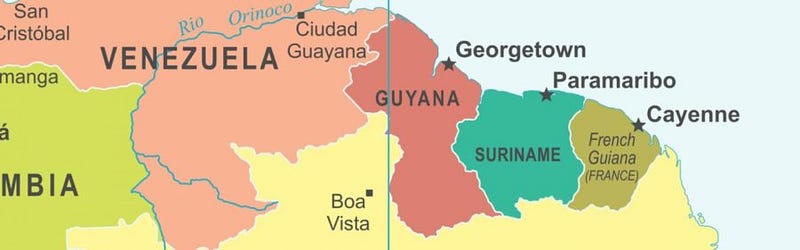
Image credit: thelowcountries.com

Back to the Dutch jar under the kitchen table

I left my grandma’s home while my legs were still short, leaving the Dutch jar behind.

In 2009, during a visit to bury my grandmother, I saw the jar almost completely buried beneath the mud of the backyard.

The memories propelled me, and I rescued and cleaned the jar off.

Unfortunately, a portion of the top had broken off, but I did not care.

I asked my cousin to please take possession of it until I could find a safe space to keep it.

I have since built a house there, and I asked another cousin to please uplift the jar and take it home.

There has never been a time in my memory when that jar had not sat in my grandma’s kitchen.

It is the source of so many childhood memories. I cannot let them go.

Even though I may never find the means to restore it to its former glory, I would rather have it fractured than not at all.

To lose it will feel like I lost a part of my childhood and a valuable piece of myself.

I will polish it and most likely give it a prominent spot in a corner of my own kitchen.

I know grandma would approve!

Inspired by Trista Signe Ainsworth's prompt — what stories do they tell and why are they special to you?

Pene Hodge is a mom, a nurse, a writer. She writes because she must. She loves people and is committed to sharing and gleaning knowledge for the betterment of all.

https://justpene50.medium.com/membership

https://medium.com/our-souls-in-words

Thank You Notes
This Happened To Me
Guyana
History Of Culture
Our Souls In Words
Recommended from ReadMedium