
The DSS System That Helped Me Cut My Daily Smartphone Usage By 90%
A step-by-step guide with simple and unique strategies to help you do the same and reclaim your life

Phone dependence is real.
A whopping 84% of people can’t go a single day without their devices. This attachment runs deep, with many of us feeling anxious and uncomfortable if we can’t access our phones.
Yet it is so hard for people to accept that the very tool we use to numb the pain is secretly hijacking our minds.
Social media, with its endless stream of curated feeds and instant gratification, seems harmless. But it isn’t just a harmless habit—it’s a full-blown addiction for many people.
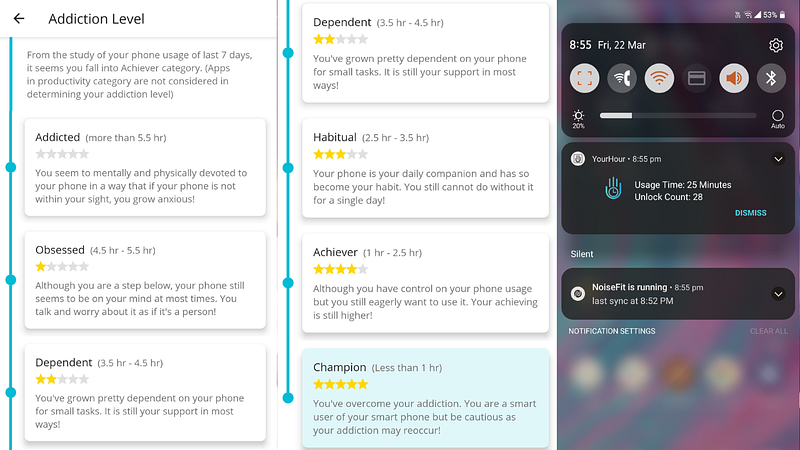
Brands and content creators monetize our time by providing us with endless entertainment just a click away. But as consumers, we are on the losing side. In fact, we’re spending an alarming amount of time glued to our phones — over 4 hours a day on average!
We tell ourselves we’re just browsing, but hours melt away, leaving a nagging guilt. It’s like when you’re hurt and have a drink to forget about it. It feels good for a little while, but then the pain comes back even stronger.
That’s the nature of addictions. We feel pain. Because pain is unpleasant, we naturally seek ways to relieve it. But sometimes…
“The attempt to escape from pain, is what creates more pain.” ― Gabor Maté
After years of trying and failing to get rid of the addiction, I stumbled on a system to finally beat it. I call it the Dual-Smartphone System (DSS).
This system is 90% automation and 10% self-control. Not being too dependent on willpower is the reason it worked for me. And I’m sure it’ll work for anyone who implements it with a little grit.
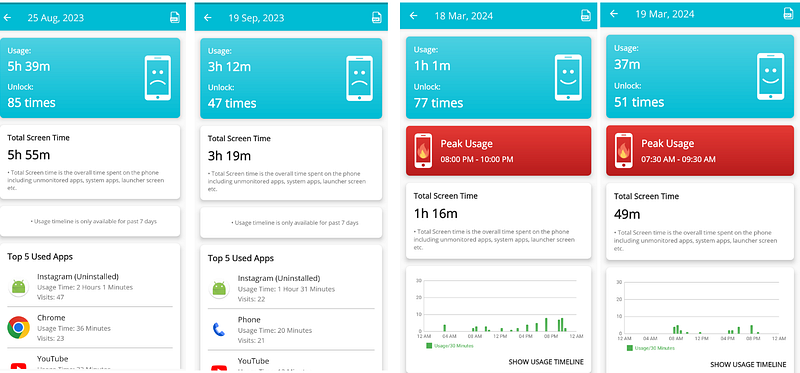
It has been over six months since my wife and I have been doing this, and our phone usage has reduced by over 90 percent.
If you want the same results, get ready, because in this article I will share:
- Tips to identify social media and smartphone addiction, and its negative impacts on life
- The “Dual-Smartphone System” (DSS) as the solution to cut excessive phone usage
- The modifications to the system based on different levels of addiction (beginner, intermediate, advanced)
- Additional strategies my wife and I employed initially to adapt to the system
- And strategies to help adapt to life with less screen time and overcome challenges along the way
If you feel like your phone controls you, this system can help you escape phone addiction and take back control of your time.
The best part? As you spend less time glued to your phone, you’ll be surprised by how much clearer your mind feels and how much more creative you become.
Table of Content
· Introducing the DSS (Dual-Smartphone System) ∘ ∘ The Concept Behind DSS · Implementing the DSS: Setting Up the System ∘ ∘ Primary Phone ∘ ∘ Secondary Phone · Modifications as per Your Level of Addiction ∘ ∘ Beginner Level ∘ ∘ Intermediate Level ∘ ∘Advance Level · Why the DSS works · Methods My Wife and I Used in the Beginning · How Things Have Changed for Me after Implementing DSS · Strategies for Adapting to Life with Less Screen Time · Additional Strategies for Breaking Free from Addiction · The DSS Could Be Your Key to Freedom
Introducing the DSS (Dual-Smartphone System)
Cell phone addiction, also known as nomophobia is more than just spending a lot of time on your device. It’s when your phone use messes up your daily life.
Our phones make us addicts rewarding us for seeking information or connection. What we don’t realize is that even the presence of a smartphone during in-person interactions can lessen the quality of those moments.
Think about the last time you heard a notification ping. That sound, or seeing your screen light up, triggers a dopamine release in your brain. It’s similar to the feeling of getting good news or a surprise.
I thought I’d get rid of this endless scrolling after the Indian government banned TikTok. But I jumped to reels faster than a cat jumps when it sees a cucumber.
Just look at the number of accounts I was following on Instagram alone!

And I had justified this behavior in my mind.
I was watching all these interesting videos on different topics and was learning a lot. I learned about healthy eating, how the brain works, psychology, cool places to travel, new apps, how to invest money, and more.
This gave me a sense of accomplishment, so I didn’t feel like I’d spent my time aimlessly. But then I realized that knowing a bunch of stuff isn’t really helpful if I just forget it all later.
I fought hard to break free from my phone, but nothing really worked for long. Finally, I found this amazing system that helped me bring my phone time way down — from 6 hours a day to less than an hour.
The Concept Behind DSS
As the name suggests, the Dual-Smartphone System (DSS) means having two phones. Whenever I tell someone about this system, their first question is, “Wouldn’t it increase my phone usage?”
I’m like that’s the most interesting part about this system. This helps reduce your phone usage to a surprising extent.
The concept is to have a high-end primary phone for day-to-day tasks and a normal functioning secondary phone for social media.
If you are a couple, you don’t need four phones, you only need three. It would be best if you had one primary phone each and one extra phone that both of you could use for your social media accounts.
Implementing the DSS: Setting Up the System
Primary Phone
For your primary phone, choose a phone that is well-equipped for your daily needs, whether it boasts a powerful camera, a smooth-running processor, or simply has all the essential apps you rely on.
And this is how you will set your primary phone:
- This is the phone you’ll use for calls and basic day-to-day messages, so this is the phone with the sim card.
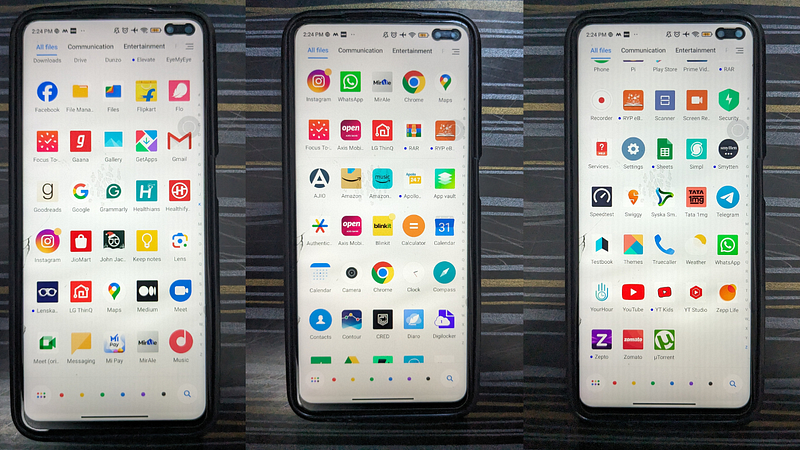
- Install all your essential apps on this phone like Email, WhatsApp, To-Do lists, and everything you might need to function during the day.
- Uninstall Instagram, TikTok, Facebook, and every other social media application you use. That includes Pinterest, Snapchat, etc.
- To prevent reinstallation, you can set up parental control for your own phone. This can be done on both Android and iPhone. Just make sure you don’t know the passcode while you set it up. Ask your partner or friend to do it for you. Or you can hide your app store/play store to prevent reinstallation of these apps.
- Disable YouTube (Android/iPhone). This is important so you don’t replace reels with shorts.
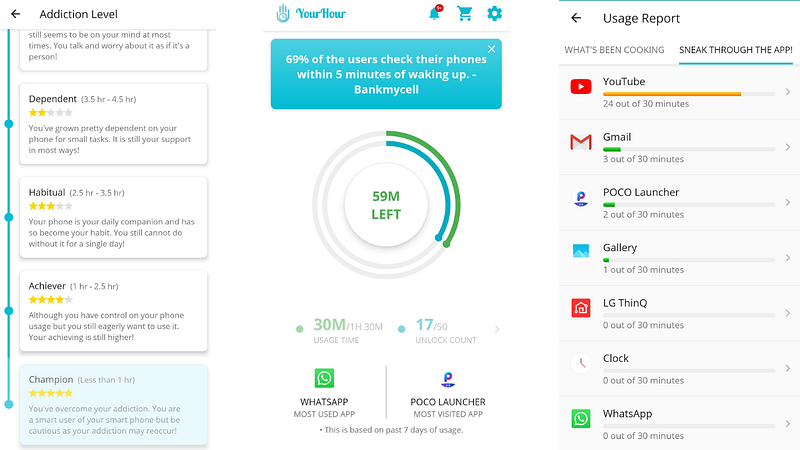
- Make sure you have a usage tracking app on this phone as well.
You can have apps like Medium and Quora on this phone, but if you find yourself getting sucked into these apps for hours, it might be a good idea to keep them on your secondary phone.
Secondary Phone
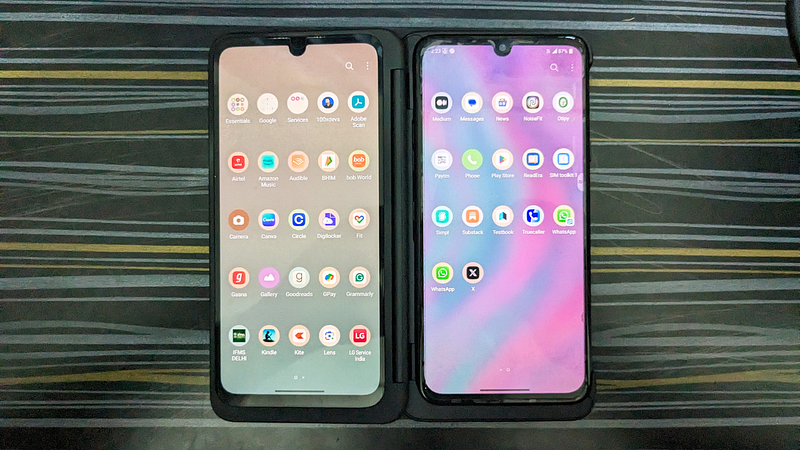
Your secondary phone doesn’t need to be a high-end phone. A cheap one with a broken screen you already have, or even a slow oldie, is perfect.
Last year, I accidentally broke the screen of my wife’s phone, and even after getting it replaced, it has bubbles in the middle of the screen. This is the phone we use as our secondary phone. It doesn’t look good, but it works.
When you’ve decided on which phone you’ll use as the secondary phone, do this:
- Remove the sim card from this phone so you can’t use mobile data. This phone should only be connected to the internet via Wi-Fi.
- It can have as many social media apps as you like. Install Instagram, YouTube, and every other app that you use.
- Now, go to settings and hide notifications from each app. This way, you’ll not get tempted to check the phone when you’re doing something important.
- Connect your phone to ONLY one Wi-Fi network, so that you can only use it in certain parts of your home.
- Install a time-tracking app and set restrictions. For example, I limit my time on Instagram and YouTube to just half an hour each day.
- Instead of having shopping apps like Amazon on your main phone, put them on your secondary phone. Otherwise, you may spend way too much time browsing.
Modifications as per Your Level of Addiction
Don’t worry, you don’t have to quit social media completely — that’s way too hard! We’re aiming for small changes that stick for the long haul. First, let’s figure out where you’re at right now.
We’ll break it down into three levels to see which one fits you best.
Beginner Level
- Time spent on the primary phone: 2 hours (max)
- Time spent on the secondary phone: 1.5 hours (again, it’s the maximum time)
3.5 hours on your phone is a lot, but the average person spends over 4 hours a day on their phone. And that doesn’t even count the time spent talking.
- Apps on the primary phone: Pre-installed apps + Medium/ Quora/ Reading App
- Apps on the secondary phone: Social media apps + e-commerce apps + YouTube + any other app you spend your time on, like Pinterest or Twitter.
Next, you need to disable YouTube and uninstall any social media application that you have on your primary phone. So, you end up with just e-mail and to-do list apps or any reading apps.
Again, both phones must have a usage tracking app.
Intermediate Level
- Time spent on the primary phone: 2 hours
- Time spent on the secondary phone: 1 hour
I’ve found that it’s hard to spend more than 1 hour per day on your primary phone.
- Apps on the primary phone: Pre-installed apps + Medium/ Quora/ Reading App + YouTube (but only for educational purposes, not for shorts) + Twitter (if you use Twitter for your business, not if you use it for pleasure)
- Apps on the secondary phone: Social media apps + e-commerce apps + YouTube (for watching shorts) + any other app you spend your time on
Advance Level
- Time spent on the primary phone: 2 hours
- Time spent on the secondary phone: 30 minutes
This way you spend a max of 2.5 hours on the phone, and now your social media consumption per day is less than 30 minutes!
- Apps on the primary phone: Everything except social media apps
- Apps on the secondary phone: Social media apps + any other app that you can’t stop using
After you adjust the apps your primary phone is basically a work tool now. You’ll be using it for things that help you reach your goals, like answering emails, replying to comments, and reading important stuff.
Why the DSS works
Having two phones creates physical and practical barriers between you and social media. It worked well for my wife and me because:
- Separating device use by location is an effective way to limit addictive habits and having a separate phone for social media helps me with it. I could not take that phone everywhere because it was impossible for me to carry two smartphones, so no reels when I was out.
- Even if I somehow carried this phone, I could not use social media because it had no internet connectivity. Also, blocking internet access is a proven way to reduce problematic digital overuse and this will also prevent compulsive app checking and increase productivity.
- My primary phone has my sim, and this is the phone that I usually keep with me. If I want to scroll while eating, it’s just impossible.
- Studies show increasing “friction” for undesired habits leads to significantly reduced engagement so I have put my mattress on the floor. Getting up to grab it from another room seemed like too much trouble. So, that solved the problem — no phone in bed means no scrolling while lying down!
- It’s a spare phone, so nobody worries about keeping it charged, and as a result, it’s often switched off. This kind of short abstinence helps disrupt addictive loops and reduces perceived stress.
- Substituting smartphone use with an alternative activity significantly improved the ability to self-regulate. So, whenever I wish to take the phone to the bathroom, my wife hands me her Kindle.
The obstacles of location, convenience, and the phone not being kept charged have resulted in me rarely having the opportunity to access that phone.
All this helped me drop my short video consumption significantly, going from 5 hours a day to 20 to 30 minutes.
Methods My Wife and I Used in the Beginning
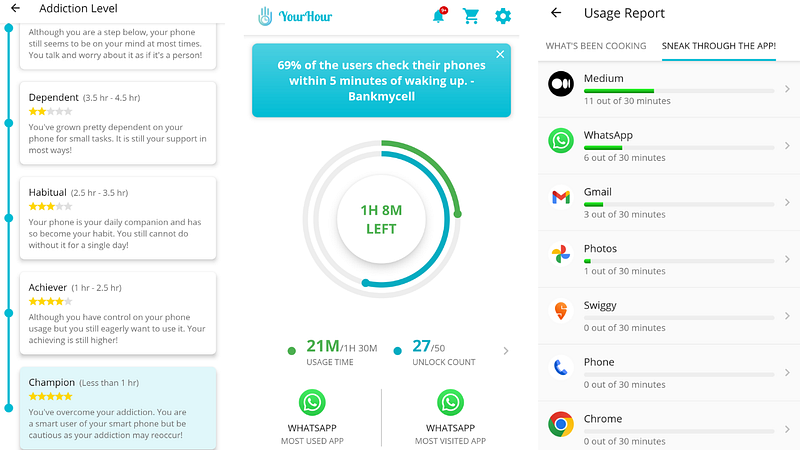
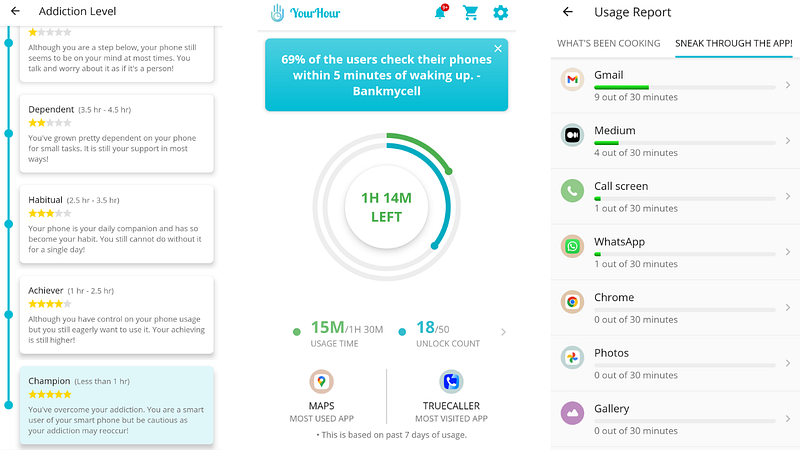
At first, you need rules to follow the system properly. When we began, my wife was already at an intermediate level as she prefers books over Instagram, but I was strictly a beginner.
So we made a few rules to stay consistent with the system:
- One big one was no phones in the bedroom. If I felt the urge, I had to go outside the bedroom, which was uncomfortable, so I eventually stopped.
- We don’t take the social media phone to other floors of the house. This made it less convenient to use.
- We’d let each other know if we thought the other person was on their phone too much.
- In the beginning, we were also competing with each other to see who had the least phone usage throughout the day.
- To cut back even further, we started calling each other instead of texting. It’s way faster and keeps us from getting sucked into the screen.
These days, we’re trying to avoid using our social media phones at all on weekends. We started with just one phone-free day, and after a while, we felt comfortable adding another phone-free Sunday to the mix.
How Things Have Changed for Me after Implementing DSS
- I no longer order random things from Amazon when I get too bored. Previously, I would spend hours comparing deals and products. Not anymore.
- I no longer feel the urge to order junk food online. This is because 5 out of 10 times, I’ve ordered junk food out of boredom. Having these apps on the second phone has removed this urge. Out of sight, out of mind!
- Now I only spend about 25–30 minutes a day on social media, which is a big difference for me.
- On weekends, I don’t use this second phone at all. This dopamine detox has improved my productivity on weekends.
- Since I’m on my phone less, I have a bunch of extra time now. This means I get to hang out more with my family, and my nephew loves the extra attention.
- Plus, I feel way better overall. I don’t get as moody or grumpy anymore, and all those random bursts of anger seem to have disappeared.
Strategies for Adapting to Life with Less Screen Time
The system is effective but be prepared for some pushback because cutting back can be surprisingly difficult. You might find yourself tempted to find workarounds to sneak onto social media.
Our brains play trickery when addiction is involved. To fight this, it’s good to find a balance between the digital world and the real world.
Here are some strategies to tackle the major challenges you might face in your journey:
1. The Secret Weapon Against Information Overload
- Challenge: When you constantly use social media, you get used to constant music from reels and shorts. So, periods of silence at home can feel strange at first.
- Solution: Embrace quiet time for 10–15 minutes daily. It can spark creativity, improve your memory, and allow your brain to rest.
As Michael Bassey Johnson said…
“To the loner, loneliness is a treasure that cannot be traded, even for the nicest of companies.”
2. Replace Your Bad Habit with a Powerful New Passion
- Challenge: When you go out, you’ll get this urge to install apps “just for a little while”.
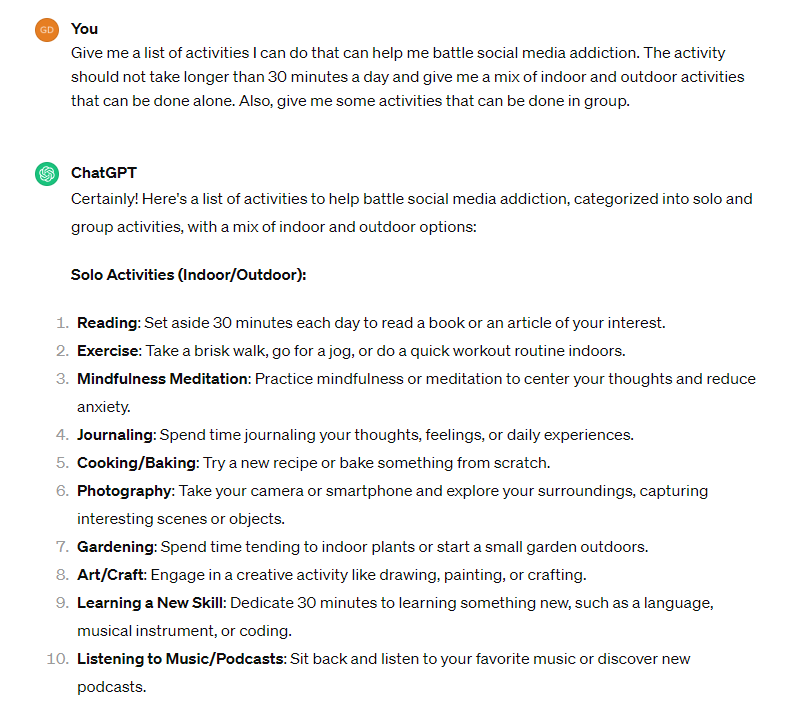
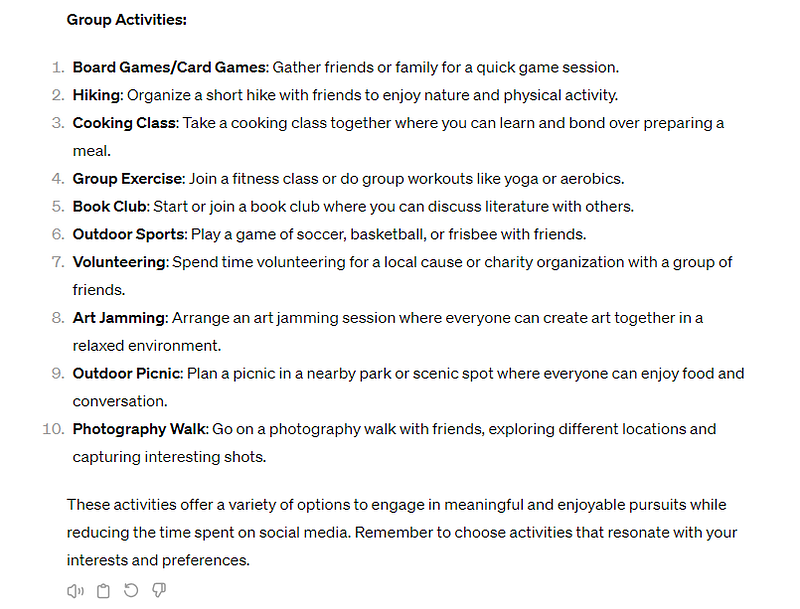
- Solution: Don’t fall into this trap. Even if you do, don’t be discouraged by occasional slip-ups. Find alternative activities like reading (Kindle, Medium, Quora) or listening to podcasts/ audiobooks to replace scrolling.
You can even get help from ChatGPT.
3. The Superpower of Time Management
- Challenge: In the beginning, days feel endless and you might feel like you have nothing to do which can lead to excessive scrolling out of plain boredom.
- Solution: Plan your day! Schedule important tasks like exercise, studying, or hobbies. Having a routine prevents wasting time aimlessly as taking control of your schedule empowers you. And this will prevent mindless scrolling.
4. The Life-Changing Power of Movement
- Challenge: Even though stepping away from social media may help reduce social anxiety and loneliness, it is still hard to do it for a long period. You used to spend 5 hours on your phone, now you have 5 extra hours that you need to fill.
- Solution: Getting your body moving is a fantastic way to break free from addictions, get rid of anxiety, and fill your time. Just 30 minutes a day can make a huge difference.
5. Unleash the Social Butterfly Within
- Challenge: Usually, when I am out in the metro or any other public place, I used to watch reels to pass my time. Now, as I no longer have this option. So, it can sometimes feel awkward and people around you might think you’re staring.
- Solution: Use this as an opportunity to connect with others. Make an effort to socialize with friends and family. Being around the people you care about boosts your mood and melts away stress.
Additional Strategies for Breaking Free from Addiction
- Prohibit social media apps for set periods, like a week or a month, to reset your habits. You can always reinstall them later.
- Designate tech-free zones at home, like the dinner table or bedroom, where phones are not allowed.
- Try using your phone only in gray-scale mode to make it less stimulating.
- Use website blockers to limit access to sites and apps that trigger excessive scrolling.
- Keep track of your phone usage with time-tracking apps to increase self-awareness.
- Set realistic goals for reducing your phone usage and reward yourself for achieving them. This will help you stay motivated and on track.
- Consider undergoing a “dopamine detox” where you remove as many addictive things from your life as possible for a while.
Do not hesitate to seek professional help like counseling if the addiction starts impacting key areas of your life.
The DSS Could Be Your Key to Freedom
On average, people tap, swipe, and click on their phones about 2,617 times a day. For the top 10 percent of users, this number doubled to 5,427 touches per day.
But no matter how bad the situation is, it is possible to use your phone moderately and purposefully, without constant distractions. The DSS is a simple and effective way to stay disciplined and continue making efforts to connect more with the real world. Remember what James Clear said…
“You do not rise to the level of your goals. You fall to the level of your systems.”
So, make sure you have an efficient system so that you can achieve your goals. By being mindful of your technology habits, being self-aware, and making lifestyle changes, you can break free from phone dependence for good.
Change takes time and effort. Don’t let the glow of your phone screen dim the fire in your soul.
You may also like this
Subscribe now to get free access to my top articles, book recommendations, and more.


