avatarRubaiyat Rahman

Free AI web copilot to create summaries, insights and extended knowledge, download it at here

1562

Abstract

rral">Unsplash</a></figcaption></figure><p id="eaa2">The academic experiences and insights Dr. Toshi Yoshihara gathered as Professor of strategy at the US Naval War College have been morphed into the report of CSBA (Center for Strategic and Budgetary Assessment). The Report extensively uses Chinese research publications. From US-centric publications perspective, no doubt, such practice is obviously first of its kind.</p><p id="55c9">Dr. Toshi Yoshihara who is a professor of strategy at the US Naval War College, evaluates in this report about how China views the influence of Chinese sea power in comparison of maritime positions of Japan and its other maritime allies. The report further points out that the non-Chinese scholarship publications and briefs failed miserably to concentrate on China-Japan sea-power competition. On the other hand, the Chinese literature and publications demonstrate important clues about China’s solid understanding of Japan’s maritime power evolution (historical), advantages, enduring weaknesses; and about the future of maritime rivalry in the Indo-Pacific.</p><figure id="251c"><img src="https://cdn-images-1.readmedium.com/v2/resize:fit:800/0*ud9oGiUZctxe6h64"><figcaption>Photo by <a href="https://unsplash.com/@asaelamaury?utm_source=medium&amp;utm_medium=referral">Asael Peña</a> on <a href="https://unsplash.com?utm_source=medium&amp;utm_medium=referral">Unsplash</a></figcaption></figure><p id="a38c">The findings of the Report acknowledge that China aptly anticipated the potential formation of like-minded maritime

Options

coalition among the allies of Japan and the USA. Such decisive hints to entwine and counterbalance China in blue water provided motivations to Chinese statesmen and naval strategist to outset naval superiority strategy. The Indo-Pacific like-minded states should now dig out the extent to which its Western Pacific maritime power Japan has already been fallen behind.</p><figure id="44fb"><img src="https://cdn-images-1.readmedium.com/v2/resize:fit:800/0*Agv5MSAH2ucAJjbi"><figcaption>Photo by <a href="https://unsplash.com/@andrewtneel?utm_source=medium&amp;utm_medium=referral">Andrew Neel</a> on <a href="https://unsplash.com?utm_source=medium&amp;utm_medium=referral">Unsplash</a></figcaption></figure><p id="d8f9">The study of the report recommends that the like-minded Indo-Pacific alliance nations should recognize China’s emerging naval capabilities and ‘to act swiftly to restore the naval balance’.</p><p id="cbae">However, the report does not enumerate clear how the naval balance will be restored. The report can be a jumping off point for students and researchers of International Relations who are willing to better comprehend the current balance of power situation in the Indo-Pacific.</p><figure id="7cde"><img src="https://cdn-images-1.readmedium.com/v2/resize:fit:800/0*vD4GgYZSDul8ftIH"><figcaption>Photo by <a href="https://unsplash.com/@patrykgradyscom?utm_source=medium&amp;utm_medium=referral">Patryk Grądys</a> on <a href="https://unsplash.com?utm_source=medium&amp;utm_medium=referral">Unsplash</a></figcaption></figure></article></body>

The Dragon, the SUN and the Indo-Pacific

Report Brief
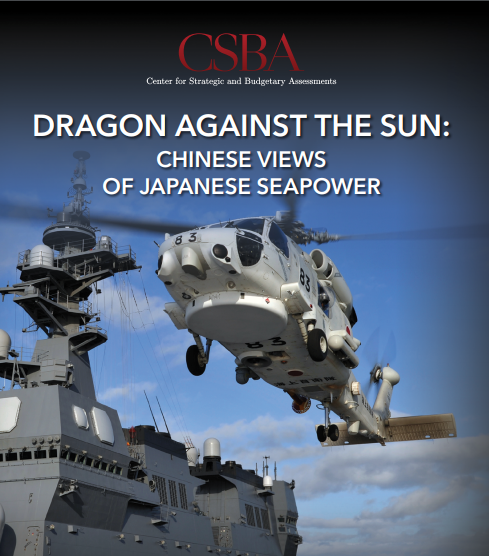
Photo Credit: CSBA

Report Title: Dragon Against the Sun: Chinese Views of Japanese Seapower

Author: Dr. Toshi Yoshihara

Year: 2020

Publisher: CSBA (Center for Strategic and Budgetary Assessments)
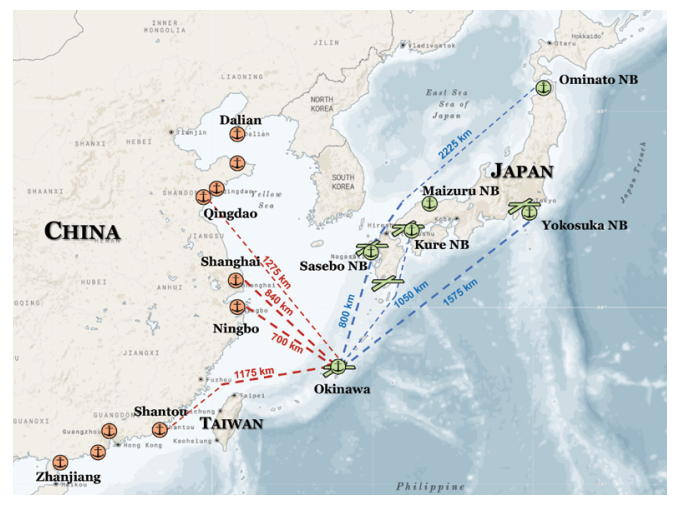
Photo Credit: CSBA

The report of the CSBA (Center for Strategic and Budgetary Assessments) recognizes that if China’s maritime services and capability maintain its acceleration, it is very imminent that China’s naval arm is going to leave behind its Asian rival Japan within this decade.

The Chinese maritime assets and arsenals have already out-ranged that of the Japanese maritime capabilities. Such reported shift of balance of naval power would surely impact the Indo-Pacific allied states and drag other maritime powers to meet some uneasy strategic trends.
Photo by Rosie Steggles on Unsplash

The academic experiences and insights Dr. Toshi Yoshihara gathered as Professor of strategy at the US Naval War College have been morphed into the report of CSBA (Center for Strategic and Budgetary Assessment). The Report extensively uses Chinese research publications. From US-centric publications perspective, no doubt, such practice is obviously first of its kind.

Dr. Toshi Yoshihara who is a professor of strategy at the US Naval War College, evaluates in this report about how China views the influence of Chinese sea power in comparison of maritime positions of Japan and its other maritime allies. The report further points out that the non-Chinese scholarship publications and briefs failed miserably to concentrate on China-Japan sea-power competition. On the other hand, the Chinese literature and publications demonstrate important clues about China’s solid understanding of Japan’s maritime power evolution (historical), advantages, enduring weaknesses; and about the future of maritime rivalry in the Indo-Pacific.
Photo by Asael Peña on Unsplash

The findings of the Report acknowledge that China aptly anticipated the potential formation of like-minded maritime coalition among the allies of Japan and the USA. Such decisive hints to entwine and counterbalance China in blue water provided motivations to Chinese statesmen and naval strategist to outset naval superiority strategy. The Indo-Pacific like-minded states should now dig out the extent to which its Western Pacific maritime power Japan has already been fallen behind.
Photo by Andrew Neel on Unsplash

The study of the report recommends that the like-minded Indo-Pacific alliance nations should recognize China’s emerging naval capabilities and ‘to act swiftly to restore the naval balance’.

However, the report does not enumerate clear how the naval balance will be restored. The report can be a jumping off point for students and researchers of International Relations who are willing to better comprehend the current balance of power situation in the Indo-Pacific.
Photo by Patryk Grądys on Unsplash
Politics
Indo Pacific
China
International Relations
Japan
Recommended from ReadMedium