
The Downsides of Index Investing NO ONE Tells You About
Most financial advisors tout index funds as the vehicle to riches. But what are they not telling you?
Every month, like clockwork, you deposit money into a ROTH IRA or investment account and buy an index fund / ETF no matter what the market is doing.
You have probably read that dollar cost averaging is a safe strategy that will guarantee millionaire status by the time you retire… I’m not disputing any of this, but here’s the thing. YOU ARE NOT ALONE.
Most financially savvy people are implementing this exact strategy – so much so that the money in Index funds and ETFs has more than doubled from 21% of the invested money in 2012 to over 45% of the invested money currently.
Unfortunately, such monumental growth in these products does not come without its own set of pitfalls, and that is something I’d like to shed some light on today. Let’s get into it!

Increased Valuations / Over concentration
Most index funds and ETFs are market capitalization weighted, and market capitalization is a direct function of price. So higher the price -> higher the market capitalization.
Market Capitalization = Price X Number of shares outstanding.
This is why when you buy an S&P 500 Index Fund / ETF, most of your money is allocated to Apple, Microsoft, Amazon, and Nvidia because they are the largest companies by Market capitalization. Your unknowing passive demand for these stocks causes them to rise even if the fundamentals are not there; this in turn results in both over concentration and overvalued stocks on your end.
If I’m not mistaken, the seven largest stock in the S&P 500 make up 30% of the index… kind of crazy to think about. Now let’s add tack on all the retail investors and professional money managers buying these same companies, and we have a recipe for disaster.

Increased Volatility
Do me a favor and think about how many companies are essentially offering the same products? Vanguard, Fidelity, and Black Rock to name a few, but there are countless other companies creating various strategies around the main indexes.
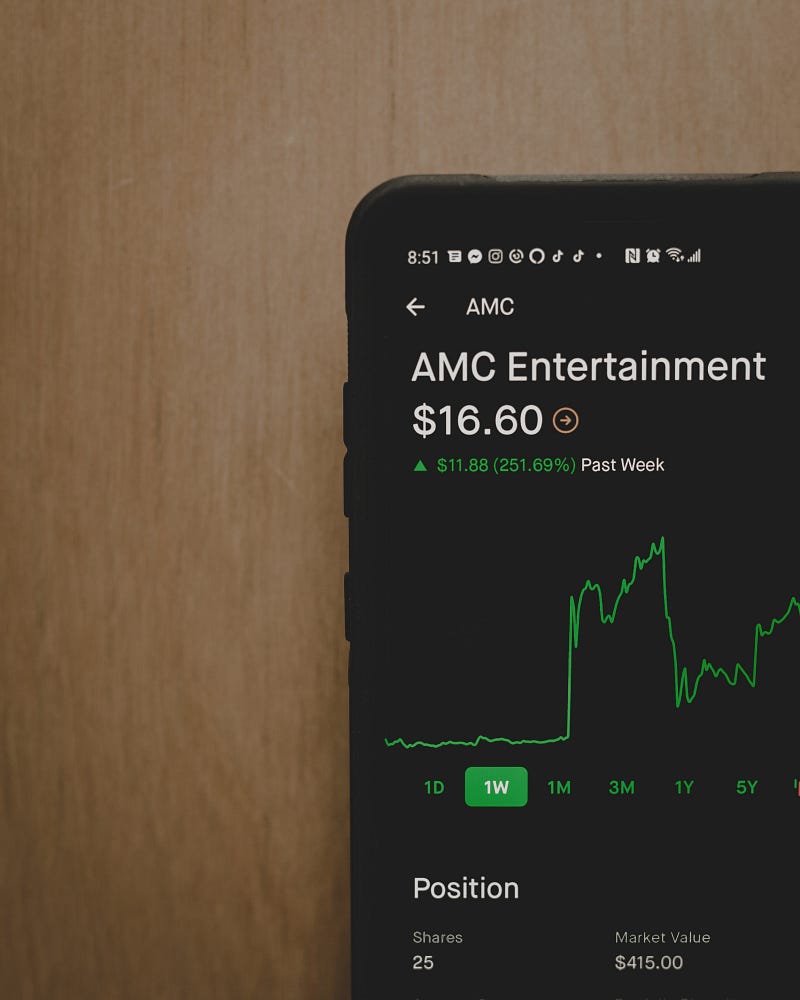
What does this mean for you? Well… Because of this phenomenon, there has been an increase in coordinated buying and selling, which in turn has caused crazy volatility.
Yes, there is buying and selling. The companies offering these products have to rebalance the portfolio depending on what the indexes contain at any given moment.
Increased Active Management Redemptions
Clients are leaving active managers en masse seeing passive funds do so well. Thoughtful discretionary strategies employed by Active Managers such as microcap investing have been underperforming because they aren’t able to keep up with the demand / performance generated by all this passive money into the larger capped stocks.
Furthermore, it doesn’t help the situation that most of the large cap performance has been generated by US centric companies. Not sure what to do? My advice is two-fold.
- Start looking outside the US for opportunity. There are plenty of markets worth exploring and investing in. You just have to find them.
- If you would like some individual stock exposure, you could be in for a treat in the small cap and micro cap space. Don’t be surprised if you find a few companies that are valued reasonably with strong growth prospects.
If there is anything I’ve learned in the markets… it is that disaster is normally followed by opportunity.

Solution
The adage to diversify is the first thing that comes to mind. And when I say diversify, I don’t mean add a small cap growth fund and a mid cap value fund to your index fund / ETF portfolio… because that is not true diversification — with both these additions, your portfolio is still comprised of 100% public equities.

Instead, I would suggest adding a few negatively correlated and uncorrelated return streams to the mix. A few that come to mind are Bonds, Commodities, Private Credit, or even Private Equity. By adding these options, you’re reducing the volatility of your portfolio and risk of permanent loss; I like using Portfolio Visualizer to see how correlated my overall portfolio is and what the potential return could be. As a side note, Portfolio Visualizer is run on past data, and there is no guarantee that what worked in the past will work in the future.
And there you have it! Hopefully some of these ideas will stick in your subconscious and make you think about what the future holds for index funds and ETFs. Thanks for reading!