
The Do’s and Don’ts of Antibiotics
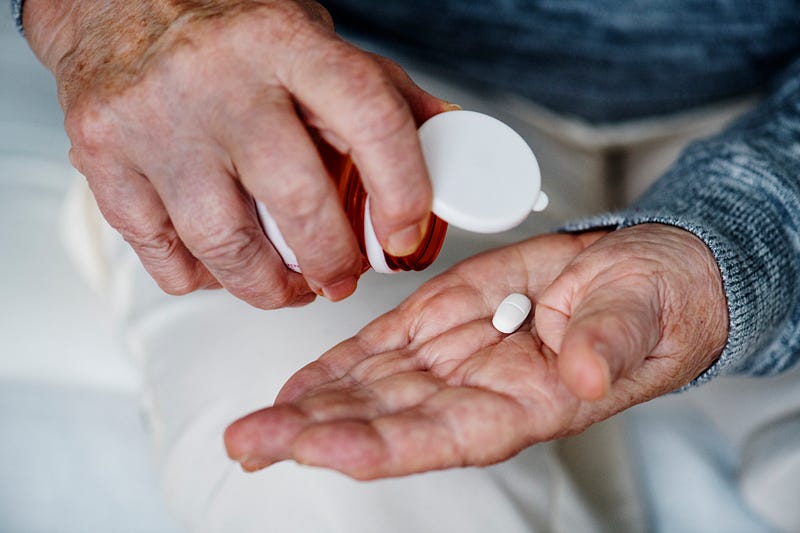
Antibiotics, drugs that kill bacteria, are one of the greatest discoveries of the twentieth century. They’ve saved hundreds of millions of lives and have brought once-deadly diseases under control. In our battle against deadly, infectious bacteria, antibiotics have long been regarded as our “silver bullet”.
Nearly a century after their discovery, however, we’re finding new problems with our weapon of choice against bacteria. More and more, we’re finding antibiotic-resistant “superbugs”, bacteria that are able to block the antibiotic that once brought them down. We’re also learning that antibiotic consumption can have disastrous side effects, annihilating our beneficial microbiome that dwells in our gut, skin, and other areas of the body. Antibiotics are no longer the panacea that we once assumed.
Doctors still prescribe antibiotics regularly for a wide range of conditions, everything from the flu to ear infections to strep throat and urinary tract infections. Many patients ask for antibiotics when they visit doctors; these patients may not understand exactly what antibiotics do, but they know that the pills kill disease, and that’s always a good thing, right?
These days, however, taking antibiotics too often or for incorrect reasons can lead to an array of problems. Just like how we must choose to not eat a triple fudge sundae every day, we must make smart choices with antibiotics.
In our battle against deadly, infectious bacteria, antibiotics have long been regarded as our “silver bullet”… [but] antibiotics are no longer the panacea that we once assumed.
What are antibiotics, and how do they work?
When physician Alexander Fleming noticed a spot of mold on his bacterial Petri dishes, he set off a worldwide revolution in how we combat disease.
He discovered that the mold growing on his Petri dish was successfully managing to kill off the bacteria around it, winning the battle over territory and nutrients on the little dish. He eventually isolated the molecule being produced by the mold, naming it “penicillin”, after the penicillium mold that created it.
Penicillin works by targeting the cell wall, the thick shell that protects a bacterium from its environment. Normally, a bacterium is constantly digesting and regrowing its cell wall — a bit like how we constantly shed dead skin cells, but regrow more skin to replace the lost flakes.
Imagine if we stopped producing new skin cells. At first, nothing would seem wrong — but over time, our skin would grow thin and fragile as it flaked away and no new skin grew to replace it. Eventually, we’d be so fragile that we couldn’t move, couldn’t reproduce, couldn’t survive.
Other antibiotics work in other methods, but each antibiotic drug kills bacteria by targeting a specific component of their lifecycle and disrupting it. Some antibiotics prevent the bacteria from replicating their DNA. Others block the bacteria from building new proteins. Still others block bacteria from bringing nutrients across their cell wall, starving them.
The rise of superbugs
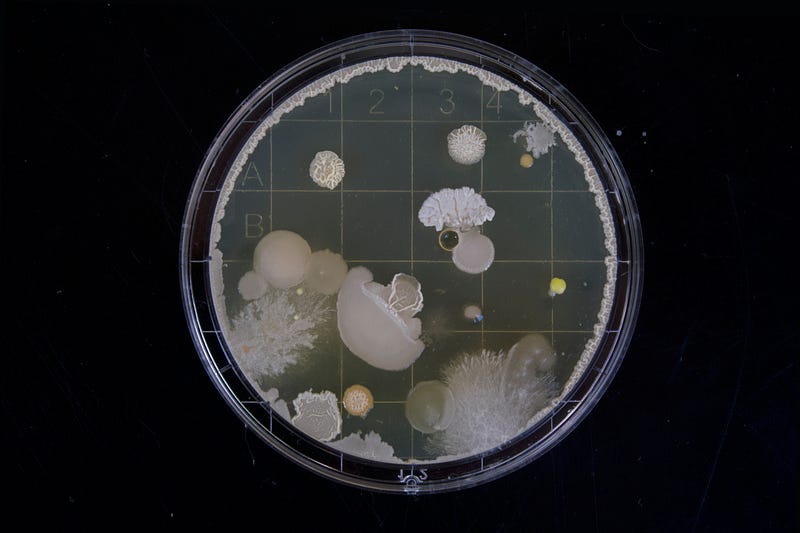
A “superbug” is a term for a bacterium that is resistant to one or more antibiotics.
How does this happen? Shouldn’t antibiotics, by definition, kill bacteria? Rats don’t become resistant to rat poison, so how do bacteria become resistant to antibiotics?
The answer is because of two factors for bacteria: the sheer number of bacteria that exist in any location, and their willingness to swap bits of DNA.
Remember, each antibiotic kills bacteria through a very specific method, through targeting a single, specific pathway in the bacterium. This works in almost all cases, and kills at least 99.9% of all bacteria — but for that last 0.1% or less, they may have picked up, through pure chance, a mutation that prevents this antibiotic from working. Maybe their cell walls are slightly thicker, so the antibiotic can’t get through. Maybe they make the membrane out of a slightly different molecule, one that isn’t disrupted by the antibiotic. Maybe they recognize the antibiotic as dangerous and don’t bring it into the cell interior.
In any case, the antibiotic kills off nearly all the bacteria — but those few that manage to survive, through some mutation, are able to now thrive. There’s now vast real estate for them to claim! And because bacteria reproduce so quickly, sometimes in as little as 15 to 30 minutes, these resistant “superbugs” are able to quickly take over.
To make a bad situation worse, bacteria love to swap DNA with each other. They constantly drop pieces of DNA in their environment, which are picked up by others and incorporated. “Hey,” says a bacterium. “I found these gene just lying here, no one using it. I’ll stick it into my own DNA and start using it for myself!”
Just like that, antibiotic resistance jumped from one species of bacterium to another.
So, how do we fight superbugs?
One method is to keep using new antibiotics, ones for which bacteria haven’t yet developed resistance. This works — but discovery of new antibiotics is a slow process, and it’s gotten slower. Fewer than a dozen antibiotics were discovered in the last decade, and these antibiotics must undergo an expensive, slow, and grueling screening from government groups like the FDA to ensure their safety.
On the other hand, superbugs can pop up almost as soon as a new antibiotic is deployed; on average, it seems to only take 2–3 years for resistant bacteria to appear after a new antibiotic is deployed. We can’t win the race against bacteria through discovery of new antibiotics.
Another, perhaps more reasonable approach is to try and slow down the appearance of new superbugs. These tips won’t solve the crisis on their own, but they may help us buy more time, and slow the rise of new bacteria that are resistant to multiple, perhaps even all, antibiotics.
Other downsides to antibiotics
Superbugs aren’t the only potential negative effect from consuming antibiotics, especially in large quantities.
One effect of antibiotic consumption that’s only been recently considered is its effect on our own native populations of bacteria. Think about the vast number of bacteria that live in our intestinal tract — our gut microbiome. In healthy individuals, these bacteria exist in harmony with their human host, performing vital tasks like synthesizing vitamins, aiding in digestion of food, helping keep our immune system familiar with threats vs. safe, nonthreatening bacteria, and filling the different niches to prevent pathogenic, dangerous bacteria from gaining a foothold.
When you consume an antibiotic, it’s like carpet-bombing your digestive tract. It kills bad bacteria — but also good ones. Antibiotics currently don’t discriminate between the bad guys and innocent bystanders.
In talks, I often compare your gut microbiome to the front lawn of a house. Normally, you have lots of good bugs living in your gut — they’re the grass that covers your lawn. They do nice things (make the house look good, help with drainage and water retention), and they also keep bad bacteria (weeds) from taking root.
But when you take an antibiotic, you strip your entire yard back to bare dirt. This kills any weeds that might have been growing, sure, but it also leaves a blank space where new weeds could take root and flourish. Some forms of gut diseases, like irritable bowel syndrome (IBS) and Crohn’s disease, have been shown to be exacerbated and made worse by the consumption of antibiotics. Instead of killing off an invader, these antibiotics make the imbalance even worse, by providing more opportunities for invading bacteria to colonize!
Antibiotics currently don’t discriminate between the bad guys and innocent bystanders.
What can I do?
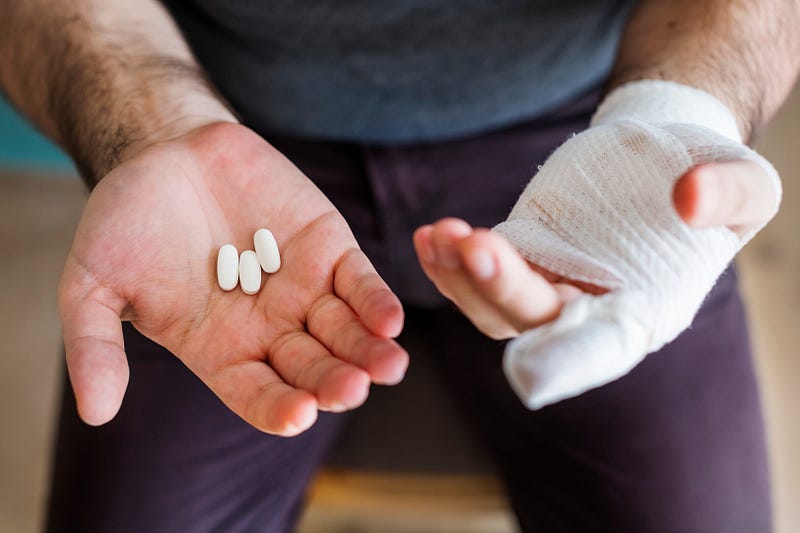
The first, and easiest, step is to always follow instructions for antibiotics when they’re diagnosed. If you’re given a prescription for antibiotics that is supposed to be consumed over two weeks, for example, stick to the schedule! Don’t take all of them early, but also don’t stop taking the antibiotics before you’ve completed the full regimen. Consuming a partial dose, or only consuming antibiotics for part of the assigned regimen, gives the bacteria more opportunities to develop resistance because they’re only receiving a low exposure to the drug.
Second, don’t take antibiotics that are old, or for someone else! Old antibiotics may be less potent, making it easier for bacteria to survive and gain resistance. Similarly, some antibiotics may be effective against one type of bacteria but not another group; don’t take an antibiotic intended for gut bacteria if you’re battling an ear infection!
Third, consider the type of infection and don’t take antibiotics for diseases that aren’t bacterial. Antibiotics kill bacteria, but they do nothing against viruses. If you have a cold, which is caused by a virus, antibiotics won’t do anything to help your disease — and they provide another opportunity for bacteria to develop resistances.
Finally, don’t pressure physicians into prescribing unnecessary antibiotics. It’s tough to leave a doctor’s office without any concrete steps to fix or cure an illness, and getting an antibiotic prescription can often make someone feel better. Some doctors will prescribe antibiotics even if they won’t help, figuring that it “can’t hurt.” But as I’ve discussed, this can be hurtful, even dangerous, and should be avoided.
Antibiotics are a powerful weapon, and they can mean the difference between life and death for some bacterial infections. It is precisely for this reason that we need to be prudent with their use, to prevent the rise of antibiotic-resistant bacteria, or “superbugs”.