
The Dog, Man’s Best Friend
Advantages of owning an animal and how to care for it
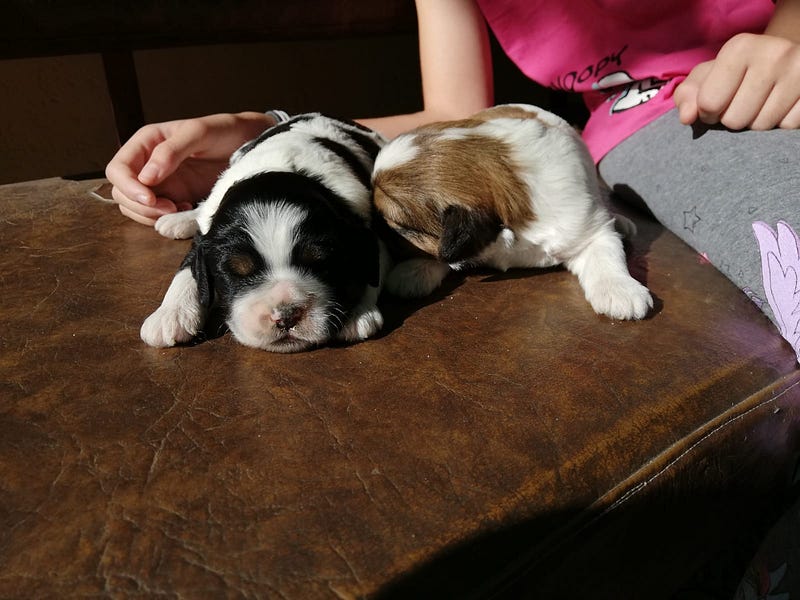
How to Maintain the Health of Your Pet Dogs
Owning a pet has several health benefits. They need the potential to enhance their chances to exercise, get outside, and interact. Walking or wiggling with pets on an everyday basis helps lower vital signs, cholesterol, and triglyceride levels.
Pets can help us deal with loneliness and sadness by providing company. The bulk of Yankee homes has a minimum of one pet. Many studies have found that the attachment between humans and their dogs is related to a range of health advantages, including:
Reduced pressure level, cholesterol, triglyceride levels, feelings of loneliness, anxiety, and PTSD symptoms.
Increased possibilities for exercise and outdoor activities; improved cognitive performance in elderly persons, and increased socialization opportunities Dogs may have a good range of beneficial benefits on their owners’ life.
They require an impression on children’s social, emotional, and cognitive development, promote a lively lifestyle, give companionship, and have even been shown to detect approaching epileptic convulsions or the existence of certain malignancies.
Dogs may assist humans to deal with stress and worry. One or more dogs are predicted to be present in around 38% of people's homes. Although dogs could also be helpful to their owners’ health and well-being.

People should bear in mind that dogs of all ages, including puppies, can occasionally contain hazardous bacteria which will make humans sick. Germs from dogs may cause a large range of ailments, from mild skin infections to life-threatening disorders. Prior to purchasing a dog Before purchasing or adopting a dog, do your homework and find out how to properly take care of it. Inquire along with your veterinarian about the most effective diet, care, activity, and environment for the dog you’ve chosen. Be aware that even when dogs appear to be healthy, they may occasionally shed pathogens in their feces that may get people sick.
Make a habit of cleaning up after your pet.
Before purchasing or adopting a dog, find out about any rules in your region concerning the ownership of specific breeds.
How to Select a Dog
Match the attitude, temperament, size, and activity level of a dog to your family, house, and therefore the amount of your time you have got to spend together with your pet. Select a dog that’s lively, attentive, and playful. Dogs and pups should have poop-free, lustrous, silky fur. Sluggishness or depression, diarrhea, irregular breathing, and fluid pouring from the eyes or nose are all symptoms of disease in a very dog.
Make an arrangement together with your new dog or puppy’s veterinarian within some days to every week of adoption. If your dog becomes ill or dies soon after purchase or adoption, take him to the veterinarian as quickly as possible.
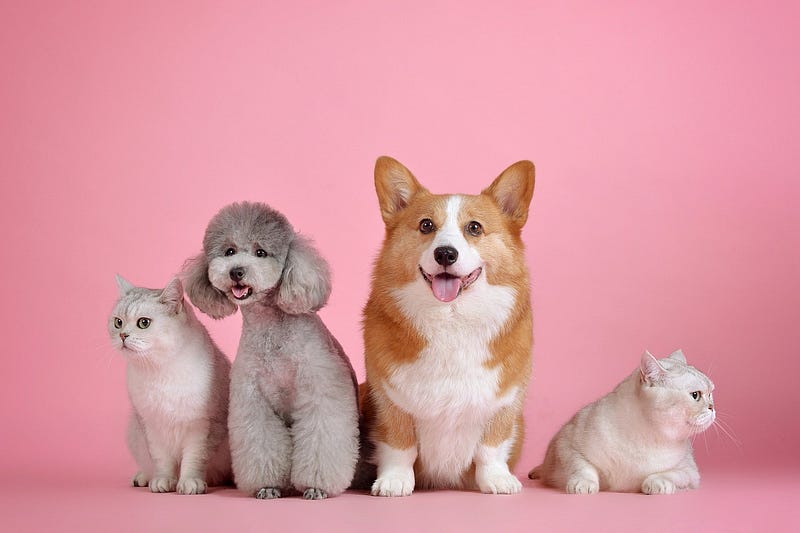
How to take care of Your Dog
It is critical to convey your dog with a secure, warm, and cozy environment.
If your dog is going to be kept outside, give cover, like a doghouse, for when it’s cold or wet, and also as shade when it’s hot.
Protecting your dog from weather fluctuations will lessen stress and keep it healthy.
Ensure that your dog has daily access to fresh, clean water and food.
Consider installing a fence in your yard.
A fence not only provides space for your dog to play, but it also protects it from wild animals and reduces the likelihood of strangers interacting with your dog.
Dogs who are chained are more at risk of a bite than people who are allowed to wander in a very fenced yard.
Feed your dog responsibly.
The dog is starving. Do not feed dogs in locations where humans prepare or consume food. After handling pet food or feeding your dog, always wash your hands. Separate pet food from human food. Germs like Salmonella and Listeria are discovered in raw pet meals, likewise as packaged foods sold in supermarkets. These bacteria have the potential to form you and your pet ill. Consult your veterinarian about the simplest food for your dog.
Keep track of your dog’s health.
Take your dog to the vet on a daily basis to take care of its healthily and to avoid contagious infections. Consult your veterinarian about flea, tick, heartworm, and other parasite prevention. Make careful to wash up any dog pee, excrement, or vomit within the house as soon as possible, and disinfect the world thoroughly. Use disposable gloves and thoroughly wash your hands afterward. If you see any indications of disease in your pet, contact your veterinarian. Confine mind that even a healthy-looking dog can carry infections to humans and other animals.
Vaccinate your dog.
Maintain your dog’s routine vaccines, like rabies. Vaccines can prevent your dog from potentially fatal illnesses and help them live an extended life. Tell your veterinarian about your dog’s lifestyle, especially if it’s frequently exposed to other dogs or animals, and inquire about the other vaccines your dog may require or desire, like kennel cough.
How to Stay Healthy When Surrounded by Dogs
Make sure a dog is the proper variety of pets for your household before purchasing or adopting a dog or puppy. Consult your veterinarian about the simplest breed of dog for you to make sure that the dog you choose could be a good suitable for your lifestyle and desires. Although they appear clean and healthy, dogs can occasionally contain pathogens that may make people sick. Routine treatment at your veterinarian will keep your dog healthy and avoid infectious infections.
Please wash your hands.
After touching dogs, their food and water bowls, or their supplies, wash your hands with soap and running water. Even if you employ a bag, you must wash your hands after coming into touch with canine saliva or excrement. Following the handling of pet food, treats, toys or bowls Handwashing must always be supervised by an adult for kids under the age of 5. In most cases, washing hands with soap and water is the simplest technique to eliminate germs. If soap and water don’t seem to be readily available, an alcohol-based hand sanitizer
Dogs make us feel happy, loved
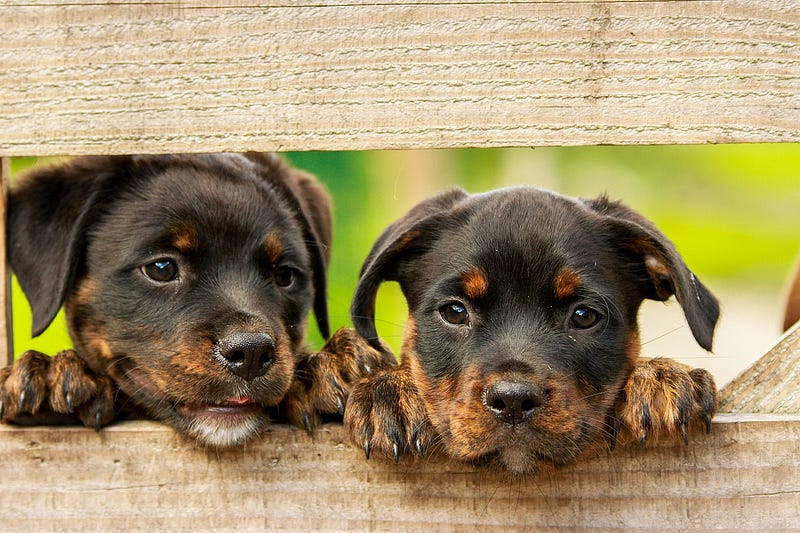
Do you own a dog? Do you have feelings for them? Chances are, they adore you as well — and that’s a fantastic thing for you both! The sensation of unconditional love that our canine family members provide us is unlike any other, and most dog parents are well aware of this.
This lovey-dovey feeling that we frequently experience when we are near our animal friends has a biological basis. In fact, looking into your dog’s eyes has been found in this study to increase your levels of oxytocin, the ‘love hormone.’ This hormone reaction is elicited anytime we experience feelings of social bonding, connection, or attachment.
Similarly, spending quality time with a dog has been shown in tests to increase levels of dopamine — the mood-boosting hormone. There are plenty of other reasons to snuggle your dog. Dogs assist us in meeting new people and making new acquaintances. Dogs not only improve our interior sentiments of happiness, well-being, and social connection, but they also help us meet and interact with more people in real life. According to Harvard research that polled men and women in numerous large cities, pet owners are 60% more likely to meet new individuals. Dog owners meet new people more readily than non-dog owners since they walk their pets on a daily basis. That’s correct; as a dog owner, you’re more likely to have face-to-face contact with other individuals who share your passion for furry critters! Dogs help us as we age. Dogs can assist with:
- promoting physical activity and offering company
- enhancing social contact
- lowering stress
- lowering blood pressure
- providing protection
Dog therapy has also been utilized to assist individuals suffering from dementia or Alzheimer’s disease. Dogs have been shown to help alleviate the symptoms of dementia, such as loneliness, anger, melancholy, and anxiety. Some studies have even discovered that dogs can detect Alzheimer’s disease in urine samples.
More about cats too here.
Follow, comment and clap for more! Thank you for reading. I’ll follow you back to contribute to the growth of the community. I appreciate your views and suggestions, and I hope you do as well. Subscribe to my posts. Join Medium.


