
The Difference Between Performative Activism and Genuine Allyship
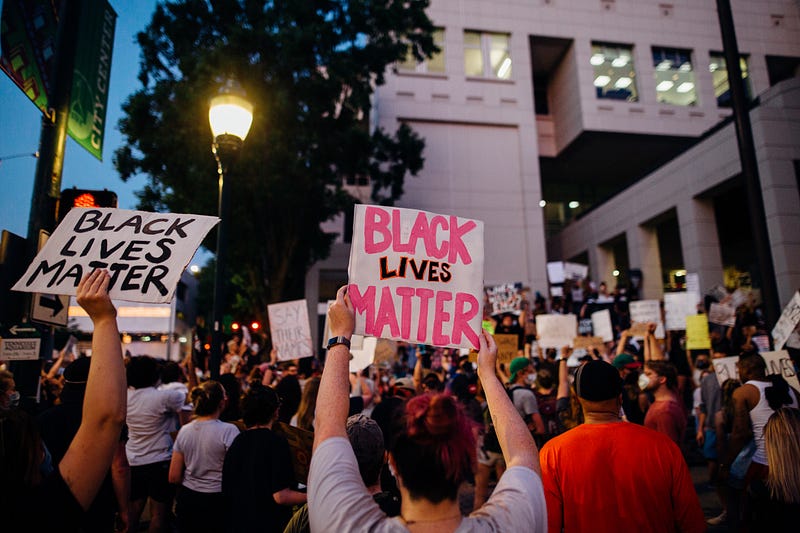
Performative Activism: a form of activism used to increase one's social capital or personal gain rather than genuine support towards a movement, issues, or causes.
People who have demonstrated performative activism use it as a one-off action and on a one basis instance. Users of performative activism only act as "allies" when it is convenient for them and they use if for their own personal gain, in order to be viewed as an "ally" by society, in an attempt to avoid backlash and criticism. Typically, performative activists feel the need and urge to post each and every step of their acts on social media, this is done for attention. To them, their steps don't actually mean anything to them or personally or to the voices there are trying to amplify, meaning there is no genuine want for a change.
Examples of performative activism:
Selective choices on which issues to support.
Performative activists tend to nitpick on what they feel comfortable shedding light on and supporting. This is the perfect example of personal gain, choosing on which particular social-racial issues to speak on that they are comfortable with especially when the issues do not affect them personally, this can also be seen as victimisation and the reversing the problem on themselves. By being selective on which issues ti support, it immediately suppresses and silences the voices from the people that are impacted by these issues, this will restrict effective change from occurring.
Not recognising your privilege.
To make actionable and effective steps towards change you need to acknowledge your privilege and the upper hand you have in society because of it. Once this starts be acknowledged in communities the problem can actually be solved because privilege is at the root and change is dependant on the issues at the root being addressed.
Genuine Allyship: a form of activism that does not direct attention to the activist, but rather seeks to support and uplift all social justice movements, issues or causes.
Genuine activists are the people we need right now and the people we have needed for years. We need people who are authentic and that come from a heart and mind that longs to see a change in society towards BIPOC people. Genuine allyship comes from a place where the person does not seek attention towards their ongoing steps. Moreover, genuine allies do not need to post every donation they make or expect "clout" for every Instagram story post that's related to current social issues. Genuine activists aim to amplify voices and bring up conversations about privilege in their social circles.
Examples of genuine allyship
Constructive conversations.
It is vital and the foundation of change to have constructive and developed conversations to educate your friends, family members or acquaintances when they say or do something racist. The main point to highlight from this and the biggest takeaway from this is that once the problem is not addressed and discussed in the spur of the moment, we will continue to see the same events occur towards people of colour. So take a moment to dedicate some time to addressing societal race issues because not enough awareness has been brought to these issues and it is clear that there is a large percentage of people who are oblivious to these issues. Starting with education reform will allow for people to gain a wider and greater understanding.
Confronting and unlearning your own implicit bias.
It all starts with oneself, the issue needs to be recognised internally, before one can go out and aiming to make a difference within their circles. You may not recognise that you have some subconscious prejudice tendencies, these need to be recognised and evaluated. This can be done through continuous education and open conversations.
It is important for us as people to be able to distinguish between performative activism and genuine allyship because these two things are very different from each other, as they come from different places of intentions.


