The Development of Fashion Trends in Britain: From the Victorian Era to the Present
Introduction:
Throughout the ages, British fashion has seen a dramatic metamorphosis that reflects shifts in society, culture, technology, and business. Fashion aficionados throughout the world are captivated by the amazing journey that British fashion has taken to become what it is now, from the sumptuous fashions of the Victorian era to the cutting-edge trends of modern times.
Victorian Era (1837–1901):
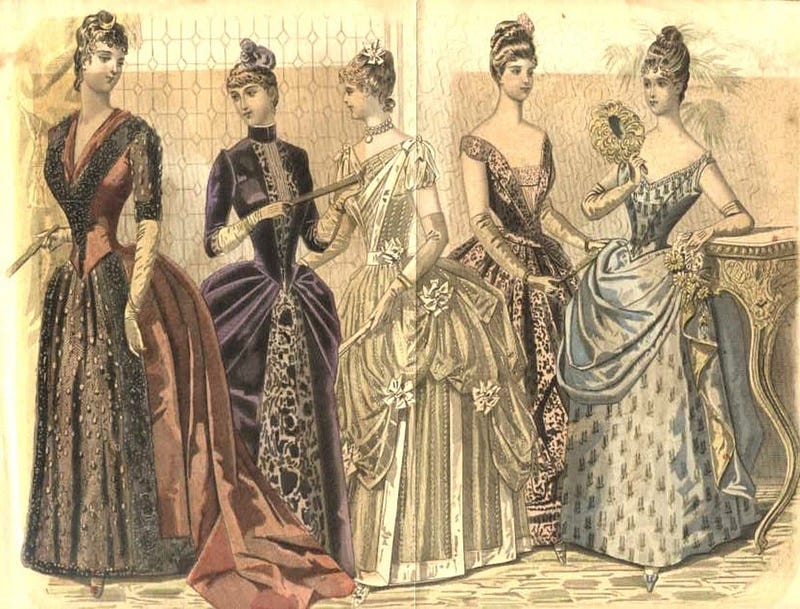
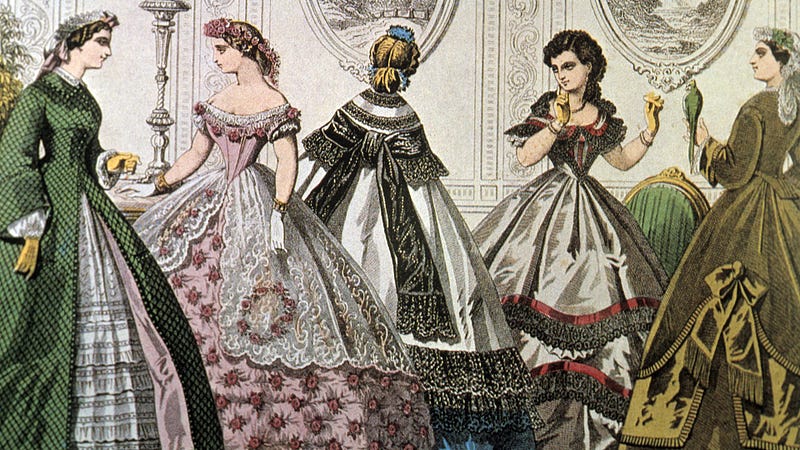
As evidenced by the fashion of the day, the Victorian era was characterised by strict social hierarchies and conservatism. Voluminous skirts, closely corseted waists, and high necklines, which emphasised modesty and femininity, were the defining features of women’s clothing. The crinoline, an item worn akin to a cage
Men’s fashion during the Victorian era was equally structured, with tailored suits, waistcoats, and top hats epitomizing the ideal gentleman. The emergence of the dandy subculture celebrated flamboyant dressing among men, challenging traditional notions of masculinity.
Edwardian Era (1901–1910):
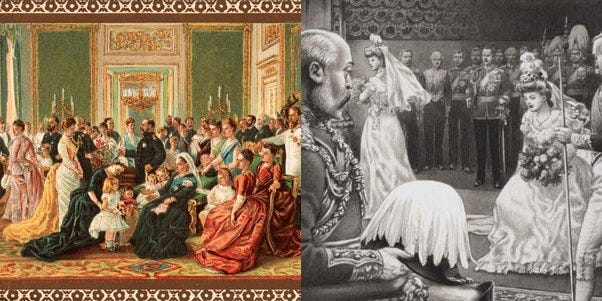
The Edwardian era brought a shift towards more relaxed and elegant styles, influenced by the leisurely lifestyles of the upper classes. Women’s fashion saw the rise of the “S-bend” silhouette, featuring high collars, pigeon-like chests, and skirts that tapered at the waist before flaring out.
The advent of the suffrage movement also sparked changes in women’s attire, with the “New Woman” rejecting restrictive clothing in favor of more practical garments, such as tailored suits and shirtwaist dresses.
Interwar Period (1918–1939):
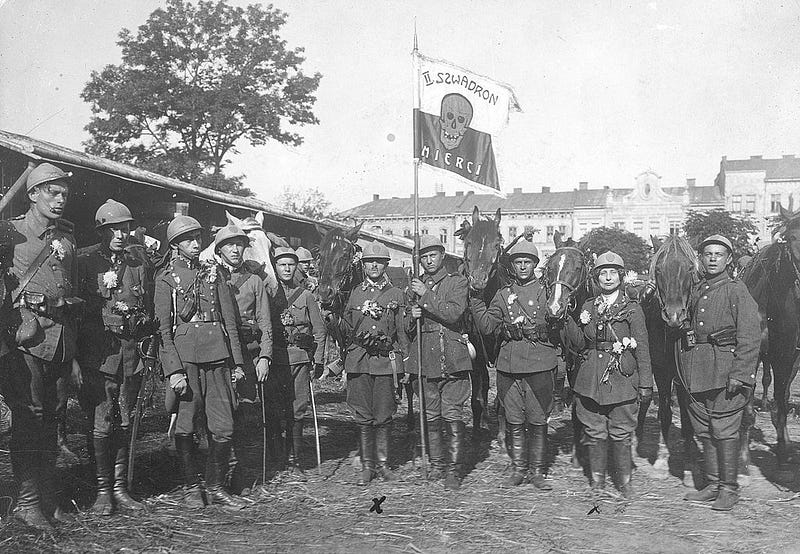
The interwar period witnessed significant social and cultural upheavals, reflected in the fashion of the time. The 1920s heralded the era of the flapper, characterized by dropped waistlines, shorter hemlines, and a rejection of traditional gender norms. Coco Chanel’s revolutionary designs popularized the concept of casual chic, paving the way for modern women’s fashion.
The 1930s saw a return to elegance and sophistication, with bias-cut gowns, tailored suits, and Hollywood glamour dominating the fashion scene. The impact of the Great Depression led to a focus on practicality and austerity, influencing the use of simpler fabrics and streamlined silhouettes.
Post-War Period and Swinging Sixties:
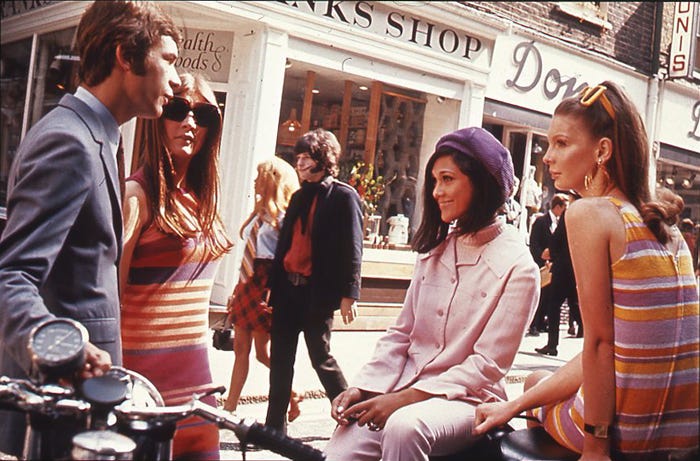
The post-war period brought a renewed sense of optimism and prosperity, reflected in the fashion of the 1950s and 1960s. Christian Dior’s “New Look” revolutionized women’s fashion with its emphasis on nipped-in waists and full skirts, signaling a return to feminine elegance.
The swinging sixties ushered in a cultural revolution, with London at the forefront of the fashion scene. The mod subculture embraced bold colors, geometric patterns, and miniskirts, epitomized by designers such as Mary Quant and Biba. The Beatles and the British Invasion further propelled British fashion onto the global stage, solidifying London’s reputation as a fashion capital.
Contemporary British Fashion:
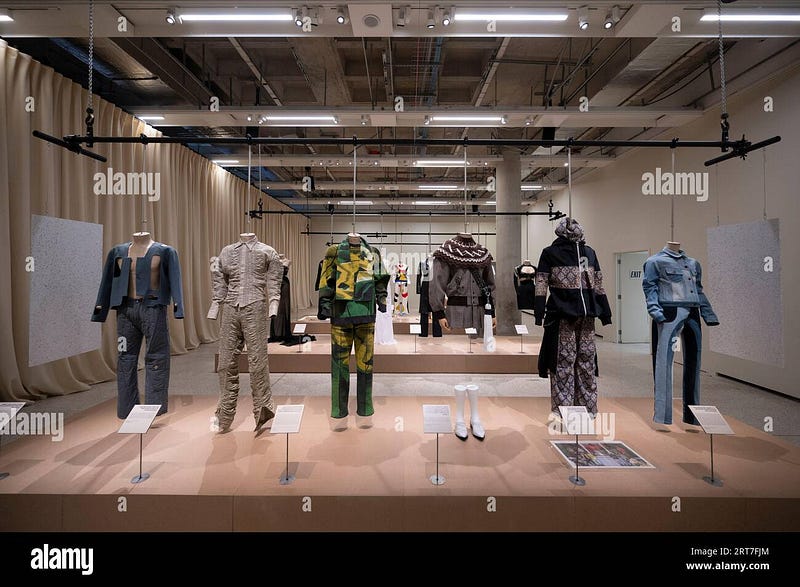
In modern times, British fashion continues to evolve, embracing diversity, innovation, and sustainability. Designers like Alexander McQueen, Stella McCartney, and Vivienne Westwood have pushed the boundaries of creativity while championing ethical and eco-friendly practices.
The rise of streetwear culture, influenced by urban youth and subcultures, has reshaped the fashion landscape, blurring the lines between high fashion and street style. British streetwear brands such as Palace Skateboards and A-COLD-WALL* have gained international acclaim for their edgy designs and subversive aesthetics.
End Word’s
The evolution of British fashion from the Victorian era to modern times is a testament to its resilience, creativity, and adaptability. From the opulent extravagance of the past to the contemporary fusion of tradition and innovation, British fashion continues to inspire and influence global trends, shaping the cultural landscape for generations to come.