
PARENTING AND FAMILY ENGAGEMENT IN EDUCATION
The Devaluation of Family Engagement in Some Schools Series
Part 2: Here’s what some parents do

The Backstory
A detailed introduction including the rationale for this four-part family engagement series is shared in part one. The link follows.
You are urged to read this introduction before proceeding with this story.
The Traditional Roles Parents Play in Education
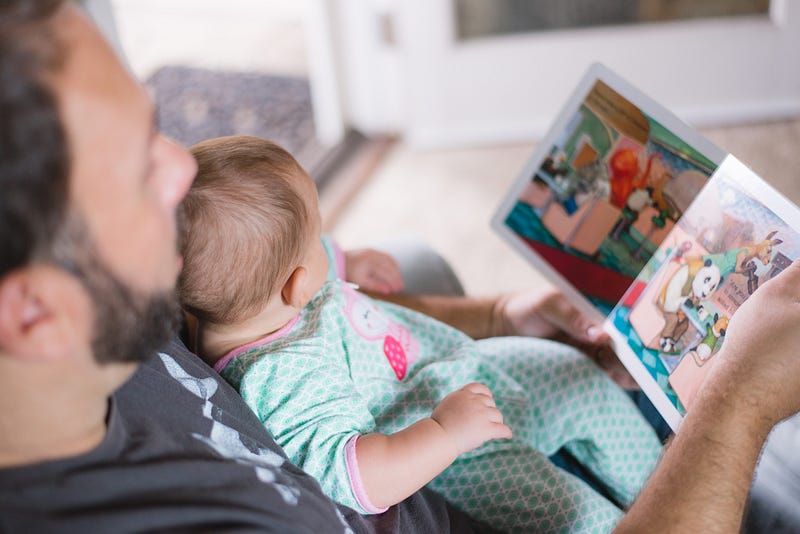
Parents have historically played an understated role in their child’s total education. In the vast majority of cases, mothers and fathers are their child’s first teachers. And in countless incidents where biological or legal parents do not assume this critical role in the lives of children, other individuals serve this loving function. Whether they are immediate family members like older siblings, extended family members including but not limited to grandparents, foster parents who are court-appointed, or community members or family friends who play an active role in the child’s life, these caring individuals are actively engaged in the child’s life. Their unconditional love and support of the infant, youngster, or teen are why these caregivers and guardians remain actively present in various functions of their life.
There are four profound reasons why most parents and caregivers are classified as their child’s first teachers.
- Most mothers, fathers, and caregivers expose their children to learning from their earliest beginnings. That means that they engage their infants with the world through reading, singing, talking to them, taking walks, and teaching them fundamental information. Quality time is routinely spent in and outside of the home continuously engaging and leading their infants, toddlers, preschoolers, school-age children, and young people in ongoing multiple layers of learning. It must also be noted that many biological parents initiate and continue this process of learning with their unborn children throughout their pregnancy.
- Countless parents and guardians teach their children social mores from the time they are very young. This encompasses the development of self-discipline and self-control that evolves through discipline. This also includes teaching manners along with the social and behavioral rules that lead to good citizenship. When parents make a conscious effort to help their children understand, accept, and respect the diversity of others, it builds their capacity to grow empathy and compassion in their hearts. All these components will enable children to interact peacefully and appropriately with their peers in their community and school, those in authority like teachers, elders, their parents, and members of our global society.
- A lot of parents create and instill the love of learning in the home before the formal school experience begins. It is not enough to have a collection of educational toys, devices, books, and other tangible items that have the potential to stimulate learning on hand at home. Parents and caregivers must lead the charge in developing and adhering to consistent routines to engage their infants and children in learning. This is primarily accomplished when quality time is continuously invested in children through interactive reading, play, music, exploration, communication, stimulating the senses, and so much more. It is also accomplished as mothers, fathers, and guardians not only expose their children to the fundamentals of learning like colors, numbers, the alphabet, maps, and vocabulary but when they routinely build upon their knowledge. When the education of children is initially positioned as significant and highly valued within the family at home, the love of learning will transfer to their school experience. And these represent the foundation of lifelong learning.
- Many parents instill a spirit of perseverance and determination in their children. This begins as milestones are accomplished throughout the lives of their infants, children, and teens. When a baby rolls over or takes their first step alone and receives parental affirmation, they become motivated to continue on their developmental journey. When children receive parental encouragement when they learn how to master new things, they become motivated to work harder. When teens receive parental support during triumphs and failures, they develop an appreciation for all of their efforts. These examples represent the role mothers, fathers, and caregivers play in helping their children develop a strong work ethic. Parents who remain engaged in teaching endurance to their child’s life until they reach adulthood will help them understand the power and benefits associated with never giving up and always working hard. Self-assurance, confidence, personal grit, bravery, stamina, and endurance are among the dynamic outcomes that children will become the ultimate recipients of.
All of these critical functions of parenting should take place in the home. This affirms the reality that mothers, fathers, and guardians are their child’s first teachers. These things also prepare children for school’s cognitive, social, emotional, and behavioral rigors.
But most importantly as they relate to family engagement in education, these are the processes that need to take place in the home before school enrollment to prepare parents and caregivers to remain committed and active participants in their child’s education by partnering with their educational providers.
However, sad realities exist as it relates to the parent’s role in their child’s preparation and enrollment in school.
How Some Parents Diminish Family Engagement in Education

Some parents fail at being their child’s first teacher. And many fail miserably. Here are some of the reasons why.
- A lot of the parents in question maintain the belief that education is something that schools are exclusively responsible for. Sadly, they defer their child’s learning to their future and current school. These mothers, fathers, and caregivers fail to teach their youngsters basic information that should be mastered before entering preschool or kindergarten. As a result, these children enter school behind their peers academically, socially, emotionally, and behaviorally. Even though these parents remain disconnected from their child’s education, they may be apt to maintain a false sense of security as they assume that their children will catch up to their peers. But sadly, the statistics related to their school performance ultimately contribute to the proverbial achievement gap that is pervasive in many schools. Data about issues that include but are not limited to student conduct also affirms this.
- Some parents fail to be their child’s first teacher fail to be because of their self-indulgent behaviors. They place their needs and wants ahead of their child’s potential educational experiences at home and within the community. The time that parents could spend engaging their children in cognitive, social, and physical activities that increases their child’s general knowledge is devoted to adult priorities. And financial resources that could be used to promote the learning of their child are channeled to activities and events that bring pleasure and happiness to the parents and guardians. Such parents are too selfish to make educational sacrifices for their children.
- Parental apathy is real. Unbelievably, some parents and guardians do not care about their child’s education. These mothers and fathers fail to do anything to support their learning at home or within their community.
- The authentic struggles of life overtake some parents. Familial issues like the need for parents to work multiple jobs, homelessness, financial distress, illness, mental and behavioral health crises, transiency, unemployment, and child care are very real for mothers, fathers, and caregivers. While situations are unfortunate and even encourage others and organizations to lend a helping hand and extend empathy and compassion to impacted families, there are no authentic excuses for failing to invest time in a child to facilitate learning opportunities.
- Displaced values remain pervasive in the lives of a number of these parents and guardians. These irresponsible parents establish irrelevant and insignificant priorities in their personal lives. Unfortunately, the things that are most important to them are inconsistent with the time required to engage their children in meaningful educational events and activities. A good example of this has become highly popularized among some of these parents. Some mothers, fathers, and guardians spend an exorbitant amount of time exploiting their children on their social media platforms instead of engaging them in constructive, thought-provoking, and stimulating learning activities. For these parents, likes, shares, views, claps, thumbs up, and going viral are more important than spending precious family time reading, exploring, growing, and learning together. I published a story about this disturbing parental trend in the link that follows.
These failures set the stage for parents to distance themselves from their child’s educational experiences when they enroll in school.
As mothers, fathers, and caregivers develop their style of parenting over time, their accumulation of failures to function as their child’s first teacher will become learned behaviors. These parental behaviors are likely to continue to evolve when their children enroll in school. Examples of this are shown below.
What Disengaged Parents Do

The list that follows represents the disposition of parents who are disengaged with their child’s learning at home and school.
- These parents are likely to blame their child’s teacher and school for their child’s learning deficits. They also fail to realize that they are critical partners in their child’s total educational experience.
- Some disengaged mothers, fathers, and guardians may be comfortable exercising their power during interactions with school personnel. Instead of functioning as a member of their child’s educational team, they may believe that they are entitled to use their control to get what they want or to have their voices heard. Their disrespectful behavior affirms this as they may be apt to yell, swear, and hang up on teachers, principals, and other school employees when they have telephone conversations with them. Additional acts of parental disrespect include threatening educators at various levels and refusing to answer the telephone or respond to other communications from the school.
- Many of these parents often remain invisible and unknown to teachers and other educators who work with their children.
- Parents who are not engaged may fail to hold their children accountable for putting forth their best academic effort at all times including at school. They also fail to hold their child responsible for behaving appropriately at school. These are the parents who do not believe school personnel when they discuss the disruptions their child creates within the school environment and often accuse them of falsifying behavioral reports. Finally, these are the parents who do not hold their children accountable for assuming their responsibility to complete homework or other school-related work.
- Mothers, fathers, and caregivers who devalue their child’s education may not provide basic educational support in the home because of constant household disruptions. They do not provide a quiet space for their son or daughter to complete their homework. Nor do they spend time reading to and with their child or working on school-related activities. Overall, a lack of structure prevails in their house that prevents the child from concentrating on educational materials. Music, devices, and the television are continuously played very loud and all manner of people are in and out of the home. Chaos prevails in these houses.
- Disengaged parents may fail to attend individualized meetings about their children. These include meetings like parent-teacher and IEP (Individualized Education Program) conferences. These parents also fail to attend school-wide parent events and gatherings like Title I, grade level, and open house meetings.
- Many disengaged parents might refuse to follow the recommendations that the school provides to support their children. They also fail to implement any support plan developed by the school that is designated for use in the home. Whether it is formal support outlined in tier two or three RtI (Response to Intervention) interventions such as taking their child to a physical, mental, or behavioral health provider for an assessment or signing off on a daily planner to ensure that homework is completed, mothers, fathers, and guardians must remain responsive to their child’s school-related needs.
The consequences of parental disengagement can be profound. This is true because students become the victims.
Despite all the problems that can erupt when education is devalued in the home and continues to be devalued when children enroll at school, hope can be found for parents.
Eight Recommendations for Parents

There is always hope that parents and caregivers can change. They can learn from their past parenting mistakes and deficits.
This section of the story describes how conditions can change so that mothers, fathers, and guardians can improve their parenting skills.
- School leaders and teachers must remain positioned to take the lead in engaging with the parents they serve. Once school personnel understands that my definition of family engagement refers to “the mutual support, dedication, and cooperation that parents and other caregivers, as well as educators, share as students are being educated”, they should initiate efforts to establish authentic relationships with all parents.
- While school leaders must accept parents where they are in their process of school engagement, they must be willing to provide rigorous training programs for parents. In doing so, they must empower parents, or give them the confidence to serve as a member of their child’s educational team. Schools must be willing to also establish family engagement programs that also reach parents with infants and very young children. Educational strategies should be provided to help these mothers, fathers, and caregivers improve their parenting skills so that they will grow to become their child’s first teachers that they should be. Schools should also be willing to collaborate with pediatricians, service providers, and early childhood providers to extend their reach to help more parents.
- Parents must come to terms with the mistakes that they made as mothers and fathers in the past. The acknowledgment of their errors will motivate them to endeavor to make progress by engaging with their child’s educators at home and school.
- Parents must be willing to participate in parent training programs developed by schools to build their capacity to help their children become stronger learners. The strategies they obtain will enable them to help their children at home. Additionally, once they collaborate with school personnel, their children will also benefit.
- Mothers, fathers, and guardians must become mutual partners with their child’s teachers and school leaders. This will enforce the reality that they must share in the responsibility for educating their children.
- Parents should get to know their child’s teachers and other school personnel working with them. This includes introducing themselves in person, by way of telephone, or through the use of technology. Doing so will set the stage for their active engagement in their child’s education. If educators are not where they need to be in welcoming parents as members of their child’s team, mothers, fathers, and caregivers should initiate this process. However, if school personnel respond with indifference or resistance, parents should not only communicate engagement expectations to educators they encounter, but to school and district leaders.
- Parents and guardians must consistently remain engaged in their child’s education both at home and at school. This includes remaining supportive and responsive to their child’s educational program and their individualized educational needs. It also includes remaining visible within the school environment at individualized and school-wide meetings and applicable events.
- Mothers, fathers, and caregivers must understand that the definition of family engagement accentuates mutual respect. Even though concerns and disagreements may arise, parents must remain accountable for seeking resolution and positively working with educators. If that cannot be accomplished, parents should endeavor to use a chain of command within the school structure so that problems can be mediated. This interactive difficulty should alert school leaders to the need to provide quality family engagement training and professional development activities for teachers and other educators. The most fundamental thing that needs to be accentuated is the needs of the child or young person involved in the parent and educator scenario.
Conclusion
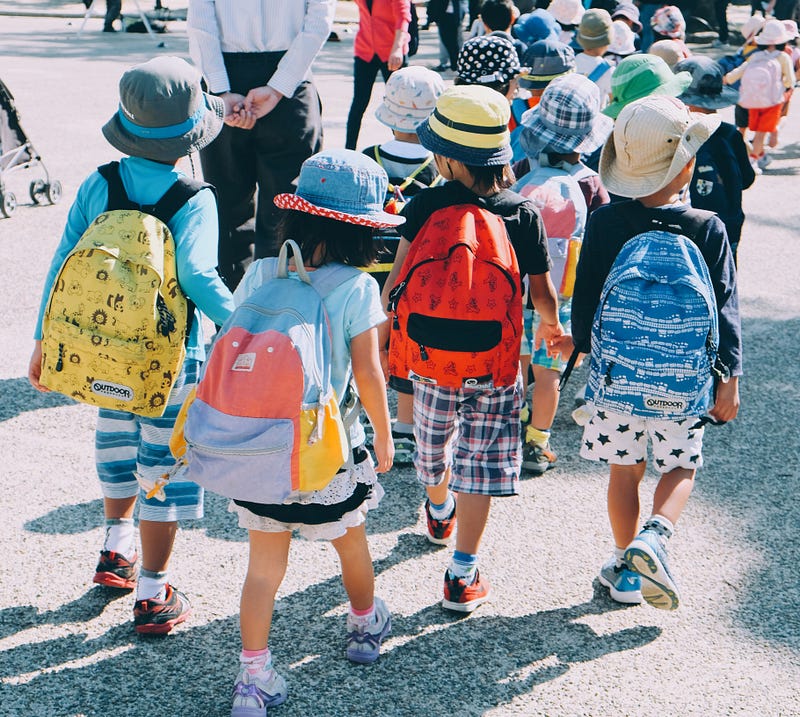
The conclusion is very simple. Whether it is during the earliest part of their life, before the start of school, or once they enroll in school, parents and caregivers make tremendous contributions to their child’s education.
Any early mistakes that a parent makes with the education of their children at home or in school can be corrected. But the important thing that must be accepted by all educators and all parents is that educating students must be a shared responsibility that starts at home and continues throughout a child’s school experience.
Thank you for your continued interest in this family engagement story sequence.
Part three of “The Devaluation of Family Engagement in Some Schools” series will focus on the role students play in this area of education. Part four will accentuate the authentic role the community plays in family engagement.
Here is my golden ticket that helps me accomplish my mission.
Dr. Deborah M. Vereen is a retired Teacher and School Administrator. Her website is www.Drdeborahmvereen.com and her YouTube Channel is
Copyright © 2022 Dr. Deborah M. Vereen. All rights reserved.