
The Denial of Depression
Anyone that has ever experienced depression may well be guilty of it
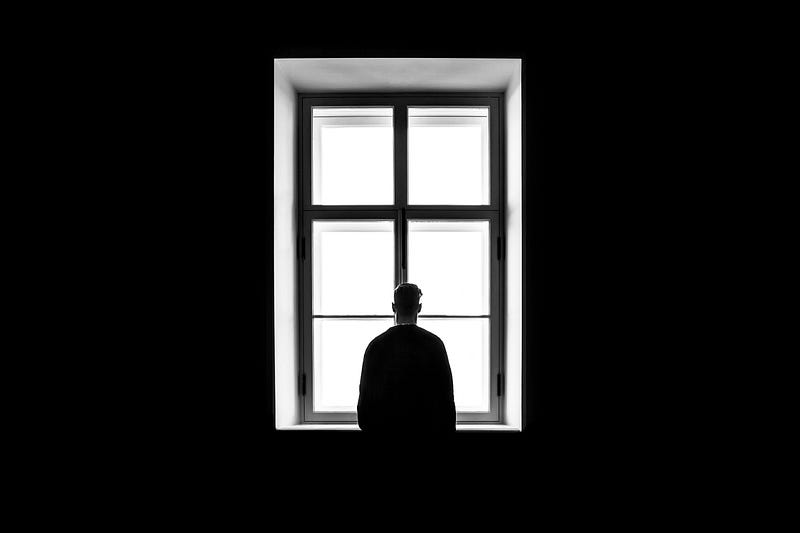
As the title suggests I am exploring the denial of depression.
I recently experienced a period of acute depression, lasting approximately three months. My marriage broke down last year. And since then I have been denied any contact with my three young children by their mother. This form of contact denial is known as parental alienation. The discussion and definition of this form of abuse are beyond the scope of this article.
“I myself succumbed to the denial of depression.”
My depression was triggered by contact denial regarding my children. I had never experienced any form of depression before. I am still battling the contact denial while at the same time managing my depression, but the depression is no longer acute.
I am a psychiatric nurse, therefore I am all too aware of the signs and symptoms of depression. Despite this, I succumbed to the belief that I was not depressed. I myself succumbed to the denial of depression.
At the time a work colleague respectfully challenged my denial of being depressed. I attempted to reassure her with a certain amount of misplaced conviction, that I was not depressed. I was simply sad. Despite both our clinical understanding of the difference between sadness and depression, I remained relentless in my denial of depression. At the time of my denial, I was pushing myself to my absolute physical and mental limits. I was working 14-hour shifts. Six or seven days a week.
This period of relentless exertion, denial and lack of insight lasted a couple of months until the depression hit me fully like a sledgehammer. As mentioned above I witness depression in others every single day. But to experience it for myself was like nothing I had ever experienced before.
It is incredibly difficult to describe the nature of depression to those that have not come across it or experienced it themselves. Sadness can be defined as a sense of unhappiness and discontentment. But depression is akin to a feeling of nothingness. A complete and utter lack of purpose. It is almost as if depression works as an evil force in pushing you away from loved ones, friends and family. It forces you to close in on yourself. It is all-consuming and mentally and physically taxing.

As soon as the depression hit me, the denial was no more. I could no longer justify the denial to myself or others. The onset of acute depression for me was obvious. I had simply denied any correlation between my life’s stressors at the time and my impending and inevitable fall into depression.
I thought I was stronger than I was.
I now recognise my own reasons for such denial; I needed to work as much as possible to earn money for legal fees to pursue contact with my children. If I had allowed myself to recognise that, or even admitted it to my employers, they would have prevented me from working long hours in the interests of my own well-being.
On reflection, I have come to realise that there is another reason I was in denial. I thought I was stronger than I was. I thought I could carry on unaffected by the stressors that were having such a negative impact on my mental health. I thought I could shut them out, even dismiss them for a later time. I attempted to use work as a distraction and a money machine, instead of seeking the appropriate help and support. I remained in denial with good intentions. But at the same time, I felt that I did not want to let anyone down. Especially my children, who I am still pursuing contact with through the courts.
“There is no shame or harm in admitting that you are unable to cope with certain life stressors.”
From this, I have learnt several valuable lessons. We all have our battles in life to fight. But we are unable to fight them unless we take care of ourselves first and foremost. We are unable to fight life’s battles unless we allow others to help and support us through tough times. There is no shame or harm in admitting that you are unable to cope with certain life stressors. Stress, anxiety and depression by their very nature are such subjective concepts. We all react to them differently.
To conclude, individuals reacting to them differently is not necessarily the issue. Refusing to recognise them to the detriment of our own mental health is the problem.
Stephen Fry the English comedian, actor and writer once said the following of depression. “Try to understand the blackness, lethargy, hopelessness, and loneliness they’re going through. Be there for them when they come through the other side. It’s hard to be a friend to someone who’s depressed, but it is one of the kindest, noblest, and best things you will ever do.”


