
The Death of Thinking
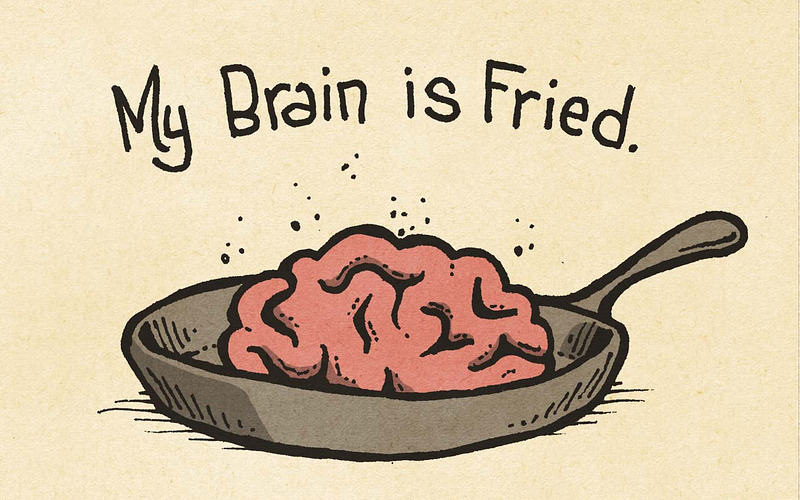
When’s the last time you let your brain rest?
When’s the last time you detached from technology to focus on thinking?
When’s the last time you went for a walk, a bike ride, or a run without taking a break to “check in” with technology?
If you’re like most Americans (and increasingly, people around the world), the answer is almost never.
According to the Bureau of Labor Statistics’ American Time Use survey: Americans spend more time watching Netflix (on average) than with friends. And “Thinking” doesn’t even make the list.

We Need Undisturbed Time to Think
I’m not interested in duplicating the millions of articles on the internet about the growing “technology addiction” (Example 1: BBC; Example 2: WebMD; Example 3: Internet Addiction Disorder).
I’m much more interested in exploring the death of thinking and “Idle Brain Time.”

There used to be (even temporary) escapes from technology. These escapes provided us the opportunity to focus on thinking and also the opportunity for us to rest our brains.
Today, finding (or creating) these escapes from technology are more and more challenging by the day. And this is coming from someone who LOVES technology!
Many Escapes From Technology Have Vanished:
- Computers started in the workplace only before expanding into the home.
- Internet (and internet speeds) followed the same path from workplace to home.
- Phones became wireless (and affordable!). As long as you are in range of a cell tower (which a significant majority of the United States is), you stay connected.
- Smartphones further increased our connectedness with technology and lessened our chance of finding escapes.
- More specifically, app and email notifications have had a significant impact at reducing thinking time by encouraging us to re-engage when we’re temporarily apart from technology.
- Driving is a shelter for many and a great opportunity to think. However, with autonomous driving, it’s highly likely that many will simply use this free time as an opportunity to add to their hours spent with technology.
- Exercise and sports were certainly a shelter, but with more and more connected devices like Apple Watch and Fitbit entering the playing field, it’s become significantly less of an escape.
With Virtual Reality (VR) and Augmented Reality (AR) on the near-term horizon, it’s possible that we may never escape technology for an entire day!
Is this a bad thing? Depending on your point of view, this level of hyper-connectedness could be positive for efficiency and the advancement of our society and species.
Do our brains need idle time or time spent purely thinking?
Isn’t sleep enough?
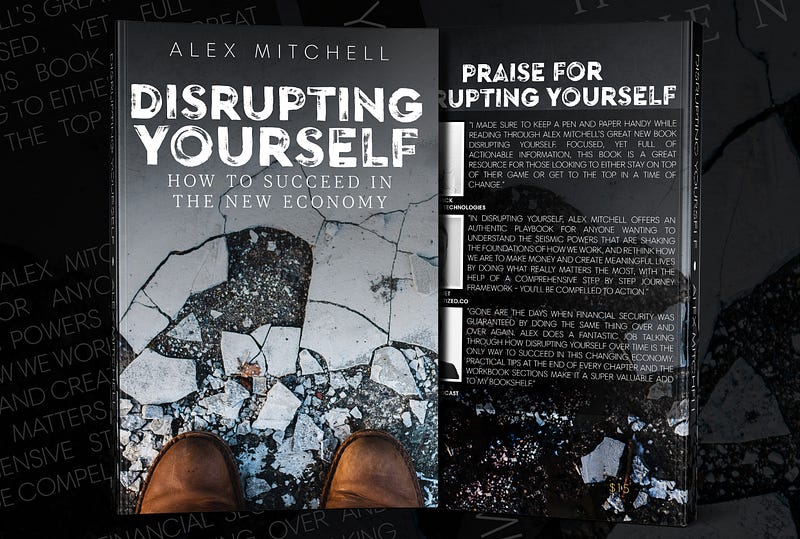
Thanks for reading! If you’re enjoying this post, I think you would enjoy my new book Disrupting Yourself.
I’m offering a very limited time Medium discount on the Kindle version here: Disrupting Yourself Special Offer (if you prefer paperback: Disrupting Yourself Paperback)
And if you’re looking to learn more about Product Management or become a better Product Manager, I would pick up a copy of my book: Building Digital Products (New 2nd Edition!)
Structured Thinking Matters
You may think spending a large portion of your day separated from technology to just think (let’s say 10%) will result in a significant reduction in productivity. It’s likely that the opposite is actually true.
Try Structured Thinking for Yourself
- Block off time in your work and personal calendar for thinking. Make sure that you won’t be disturbed during this time. If you need to turn off your phone or computer to ensure an interruption-free environment, go ahead!
- Find a place that you think well in. This could be your office, but it’s more likely that it’s somewhere separate or distant from your home or place of work. For me, it’s on a bike ride or a walk around my neighborhood.

Start with simple, but powerful questions to guide your thinking:
Am I using my time efficiently and on the most important things?
What work that I do is the most rewarding, the least rewarding?
How can I invest more time in the things that matter to me?
How can I spend less time doing the things that I don’t enjoy?
Am I spending enough time with the people that matter in my personal and/or professional life?
If not, how can I adjust my schedule to change this?
What are my goals for today, the week, the month, and the year?
After thinking about these general questions, feel free to get more specific:
What is a field that our business should be operating in today, but isn’t?
What are 3 things that our company can do tomorrow to be more efficient?
What specifically do I need to make it to the next level in my career?
How can I develop those skills, acquire those credentials, or build those relationships?
What are 3 things I can do today to strengthen my relationships with the people I care about?
Still skeptical about structured thinking for both personal and professional goals? Fear not! You’ll be in strong company:
- Charlie Munger (Berkshire Hathaway) attributes much of Warren Buffett’s success to thinking: https://readmedium.com/charlie-munger-holds-court-at-the-2016-daily-journal-meeting-542e04784c5e#.whzaycgh7
- Jeff Weiner (LinkedIn) schedules 2 hours of thinking time per day: https://www.linkedin.com/pulse/20130403215758-22330283-the-importance-of-scheduling-nothing
- Jack Dorsey (Square, Twitter) finds his best thinking comes from walking: http://www.forbes.com/sites/ericsavitz/2012/10/17/jack-dorsey-the-leadership-secrets-of-twitter-and-square/#5cbf3d0e4d5a
Take Back Your Brain
Without deliberate intervention, you’ll see more and more of your idle brain and thinking time disappear.

Now is the time for you to try structured thinking, to block off time for your brain to be separate from technology, and to improve your control over your personal and professional life.
How Do You Find Time For Thinking?
How do you find time to think? And where do you do your thinking?
What has or hasn’t worked well for you?
What’s been the biggest “win” for you by spending more time on thinking?
Let me know on Twitter: Alex Mitchell
Check out my first book, Building Digital Products at www.buildingdigitalproducts.com
More from Alex Mitchell
Check out Alex’s Book: Building Digital Products
Amazon: https://www.amazon.com/Building-Digital-Products-Ultimate-Handbook/dp/1522824936
Digital Download: https://gum.co/CLccb


