
The Death of Masculinity: Are Men Losing Their Identity?
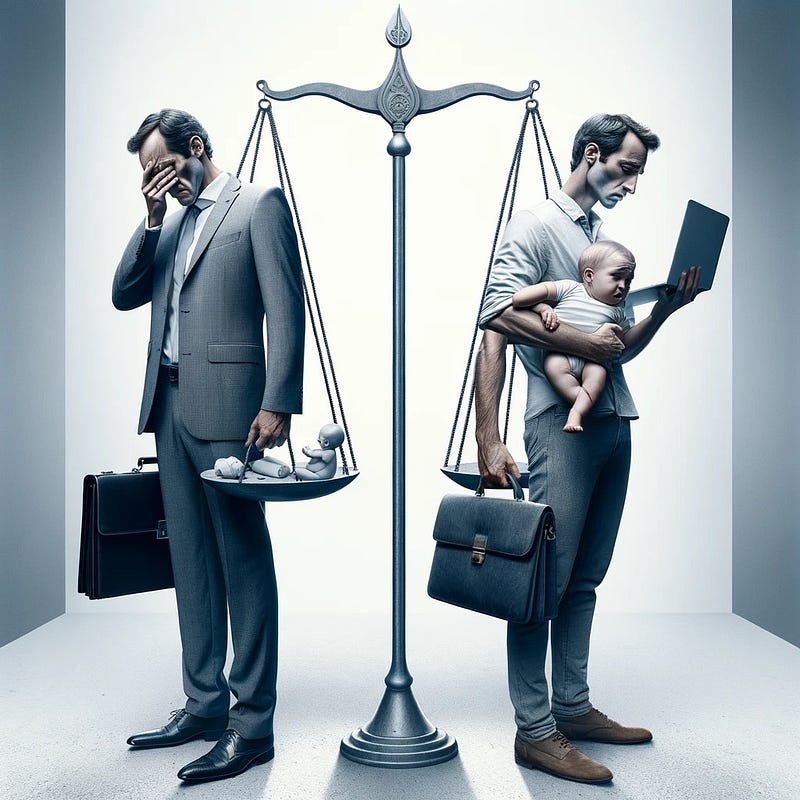
It was a quiet evening when I stumbled upon a video online. It showed a group of women celebrating their achievements, breaking barriers in every field imaginable. As I watched, a disturbing thought crept into my mind: Are men losing their identity in the modern world? Is female success correlated with the increasing amount of men feeling inadequate?
The Fall of the Traditional Man
For generations, men were the providers, the protectors, the leaders. They went to work, earned the money, and made the decisions. But now, things are changing. Women are stepping up and taking over roles that were once dominated by men. They are earning more degrees, climbing higher in their careers, and demanding equality in every sphere.
This shift has left many men feeling lost. The rules they grew up with no longer apply. The expectations have changed, but the guidance on how to adapt is missing. The traditional man is becoming a relic of the past, and with him, a clear sense of identity.
The Mental Health Crisis
Men are struggling. They are told to be strong, to hide their feelings, to be the rock. But behind closed doors, many are battling depression, anxiety, and loneliness. The statistics are alarming: men are more likely to die by suicide than women, yet they are less likely to seek help.
Why? Because society has taught men that asking for help is a sign of weakness. They are supposed to be tough, to handle their problems on their own. This toxic masculinity is killing them, and it’s time we acknowledged the problem.
The Challenge of Equality
Gender equality is crucial. Women deserve to be treated as equals in all aspects of life. But in the push for equality, are we forgetting the struggles of men? Are we dismissing their issues because they don’t fit the narrative of the oppressed?
In workplaces, diversity initiatives sometimes make men feel excluded. In schools, boys are falling behind, but the focus remains on empowering girls. In relationships, men are expected to be supportive partners, but who supports them?
The Demonization of Masculinity
Masculinity itself is under attack. Terms like “toxic masculinity” paint all traditional male traits with the same brush. Aggression, competitiveness, and stoicism are seen as harmful, yet these traits have their place. When channeled positively, they can lead to great achievements and protect loved ones.
Not all aspects of traditional masculinity are bad. The problem arises when we fail to distinguish between healthy and toxic behaviors. By condemning masculinity wholesale, we risk creating a generation of men who are confused and ashamed of their nature.
Redefining Manhood
Men need new role models. They need to see that it’s okay to be vulnerable, to ask for help, to show emotion. At the same time, they need to embrace the positive aspects of traditional masculinity: strength, courage, and responsibility.
It’s time to redefine what it means to be a man. This doesn’t mean abandoning all that came before, but rather integrating the best of both worlds. Men can be nurturing fathers, supportive partners, and successful professionals without losing their identity.
The Path Forward
Men are at a crossroads. The world is changing, and they must change with it. This isn’t about choosing between old and new, but about finding a balance. Men can be strong and sensitive, competitive and cooperative, providers and nurturers.
The future of masculinity depends on our willingness to have these tough conversations.


