
The Deadliest China Famine: When Parents Ate Their children
A famine that turned cannibalism in northern China
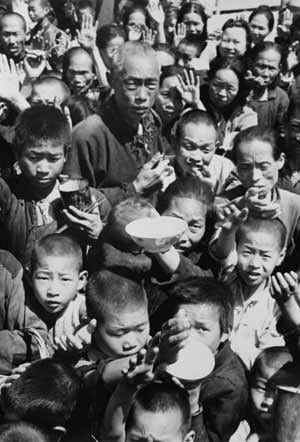
Our history has witnessed wars, pandemics, earthquakes, and whatnot. Although war is one of the man-inflicted sufferings which the rulers or politicians can avoid through statesmanship.
Such Wars can not be said for the whims of nature. When they strike have disastrous consequences for the locals.
The deadliest natural disaster in world history happened in northern China at the end of the 19th Century.
This famine is known as The Northern Chinese Famine(1876–1879), which occurred in China's Qing dynasty. A drought emerged in northern China in the year 1875, resulting in significant crop failure.
Out of 108 million, over 13 million people lost their lives.
The 19th Century was nicknamed the Century of Humiliation by the Chinese.
The great Manchu Qing Dynasty lost almost all of the wars against foreign powers and used up all its resources suppressing rebellions.
The Empire’s coffers were extensively depleted; internal conflicts such as Yan and Muslim rebellions also significantly reduced regional grain reserves. This grain stock was kept reserved for emergencies in 1875.
The nation's conditions were the worst possible to deal with a natural disaster.
In northern China in early 1876, an extensive drought occurred, hitting agriculture and causing crops to die. Harvests were already terrible throughout the history of China.
The nation had witnessed many other famines. The Chinese Government made a rule regarding reserving the crops. They made it compulsory that farmers have to keep one year’s crops as reserves in three years of farming.
Reserves had still mostly got depleted. These shortages of reserves food and drought increased the food prices by ten times in the drought-hit provinces.
It soon became apparent that the situation was far from resolved. People knew that if there weren't any relief from the government, they would die.
Families were put through the excruciating choice of choosing which family members to feed and which to abandon due to the social organization of China.
The young girls were the first to suffer, but food became even more scarce as the drought went on. Everyone gradually fell under the effects of the famine.
State intervention was needed to prevent the disaster from worsening. Also simultaneously to relieve the victims.
The Chinese Government could have imported food from South Manchuria or Mongolia. But in the late 19th Century, authorities were too broke and focused on the South and coastlines to deal effectively with the problems and take adequate actions by June 1876.
The Government launched its first state relief measures, and enormous amounts of silver currency was sent to the starving provinces. However, cash was of little utility because there was no food to buy. Money lost its value due to the crisis.
These reliefs although appeared huge but offered minor relief.
The Christian missionaries who had gained a lot of influence after the Opium Wars started to provide help. Timothy Richards, The British missionary, tried to bring international attention to the famine.
No rain or snow fell during autumn and winter until the spring of the year 1877. The prices of food had reached astronomical highs.
The most impoverished locals who were not yet dead desperately tried to survive on roots and tree bark. Those families who had cattle or pets ate them.
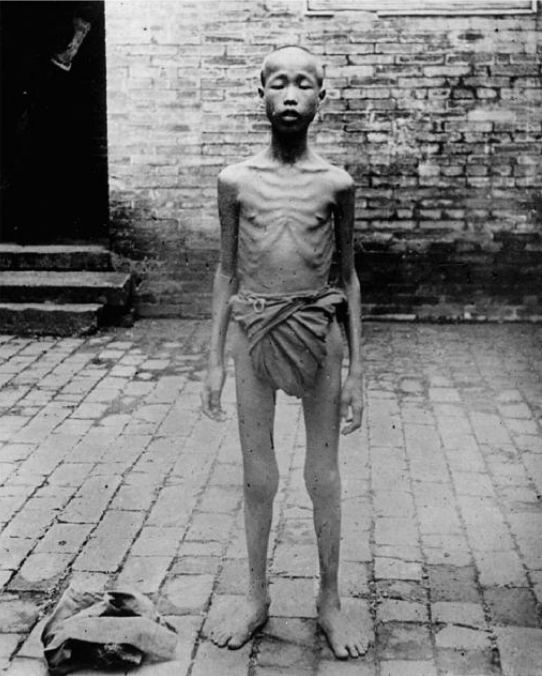
As the rain failed again that year, the famine greatly worsened, and masses starved to death. It is also reported that banded groups formed and occasionally raided villages to survive.
Travelers were stopped and robbed or killed. Several Western business people, diplomats, Protestant and Catholic missionaries organized a famine relief committee and traveled to the province of Shandong.
They immensely helped the locals.
This was one of the first acts of humanitarian aid in history. The other provinces were, however, still in desperate straits. The starving fell to the ground. In the streets, bodies started to pile up on the sides of the roads.
When locals ate all the vegetation, some of the starving locals resorted to eating mud clay and weathered rocks—such a diet killed by blocking or rupturing their digestive system, most of those who tried it.
Cannibalism had become a common practice at that time
Cannibalism was illegal and had a penalty of death for such crimes. Only a few magistrates worried about prosecuting the practitioners.
Luis Mona, the new Roman Catholic bishop of Shaanxi, reported that earlier people had restricted themselves to eating the dead people.
Now they kill the living to have them for food.
Husbands ate their wives, parents ate their sons and daughters, and children ate their parents and grandparents.
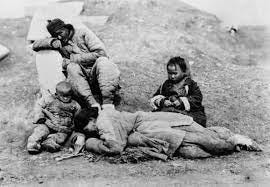
A Chinese District Magistrate confirmed these claims, having made them by his own observations.
A grandson chopped his grandmother into pieces: boiled and ate her
The authorities were torn between trying to spend the resources on reinforcing the coastlines to defend against foreign aggression and an urge to help the victims.
The government launched an official state relief program in November 1877, but the situation worsened by then. Even more, grains were transported from Manchuria and sold at reduced prices.
The practice used many times in China. starving prevents people flow preventing
Mass migration was considered the most important issue.
Qing government could not afford the risk of pillaging or the rise of another rebellion.
Human Trafficking
The parents resorted to selling their children, especially daughters. Some husbands also sold or abandoned their wives. Most of these unfortunate young girls and women were bought by merchants who transported them to the south and sold them there as mistresses and prostitutes.
They were often beaten and abused.
This reinforced the foreign attention to the famine as the English newspapers of Shanghai denounced human trafficking and its perpetrators.
Who cynically profited from the disaster still the drought went on, and cannibalism continued to spread. More and more people also fled towards the south. The northern regions were vanishing fast.
In early 1878 the droughts were still going on. The British missionary Murphy Richard and his wife traveled to Shaanxi, where the famine was most severe.
He recalled what he saw in his famine diary. People pull down their houses, sell their wives and daughters, eat roots, carrion clay, and leaves.
Cannibalism
The news which nobody wanders at the sight of men and women lying helpless on the side of the road or if dead ate by hungry dogs and Magpies. Children were boiled and eaten up so fearful as to make one shudder despite heavy efforts from foreign humanitarian aid and the Qing authorities.
The famine persisted as the death toll increased. People till now gave up all their hopes and started migrated south during early 1879.
The Outcome of the Famine
When after a long wait of rain, as it came and turned to be a downpour. The locals realized their struggle was ending. Subsequent harvests on rehydrated soil were rich, and the famine was getting quenched.
It was a long nightmare for the locals.
However, coming to an end, but the stricken regions, especially Shaanxi, had been strongly de-populated by either deaths or migration.
The population had decreased by over 8 million, about half of the entire population in that region.
The outcome for the population in total between 100 to 200 million people suffered from famine.
The Chinese officials and scholars of the time tried to minimize the numbers bringing focus on the foreign colonization by Western powers.
The Qing government alleged the British missionary for conversion of Christianity instead of their help.
The deadliest natural disaster in history had passed, but scorn within the population prevails.
Reference-
https://en.wikipedia.org/wiki/Northern_Chinese_Famine_of_1876%E2%80%931879


