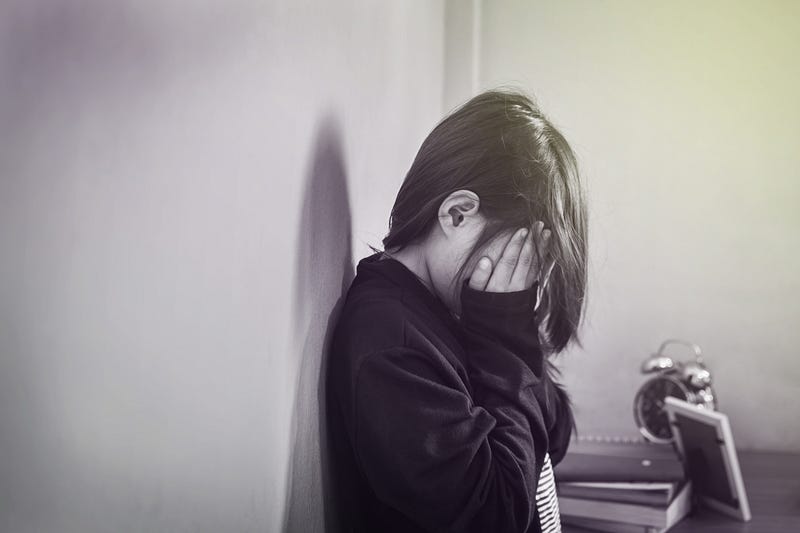
The Dead Children Are The Lucky Ones
They won’t have to spend their lives trying to recover . . .
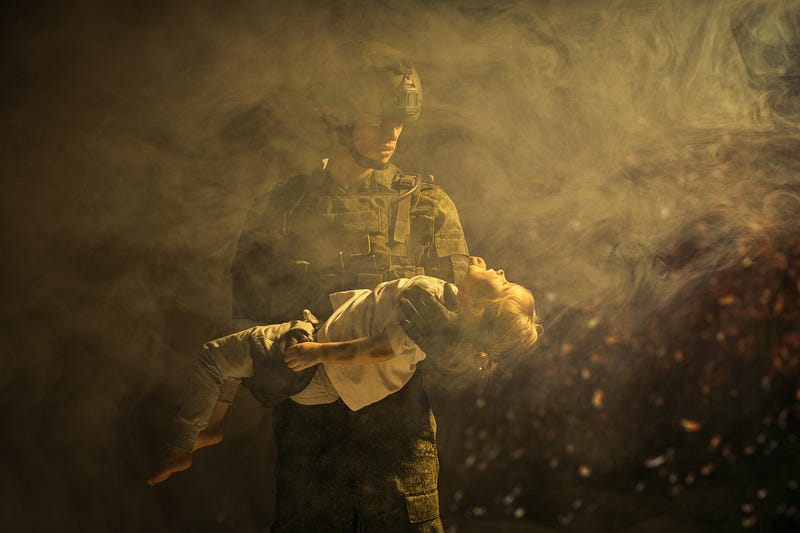
As we reel from the past 4 weeks of horror, recoiling at stories of decapitated babies and eviscerated mothers, there is a tendency to focus on stopping the killing of children. A concerted effort to save as many as possible is a noble sentiment to be sure.
And yet, in 30 years of working in therapy with many patients who have suffered dramatic trauma as children, I am truly ambivalent about believing that saving the children who have witnessed these horrors is such a good thing to do.
Children who have lost a mother in front of their eyes, been splattered with blood, not always theirs. Who have endured fear, fear so unbearable that some are rendered speechless, and might remain so for a long time.
Children who have held the hand of a playmate who suddenly has no head. Children whose developing senses are filled with loud explosions, putrid smells, pain of broken limbs. Pain of powerlessness.
Witnessing their mothers raped, mothers experiencing the same physical act that has represented love and affection, but now representing defilement and contempt — how is it possible to reconcile that in one instance something is the culmination of human love and in another it represents the opposite?
That in one instance it has resulted in the creation of the precious being that is a child and in the other ultimate shame and degradation.
To save these children of Israel, of Gaza, of Ukraine . . . what for? How much help will they need to be able to lead lives without fear, without flashbacks of unspeakable horror, without rage. Lives that they want to live? Is it always true that life should be saved no matter what?
Hard to believe that those who so cavalierly kill others can even consider life itself to be sacred or worth saving.
The children of such horror, such pain, such excruciating fear should not have to spend a lifetime learning how to cope, how to want to live. In some ways, those that die are spared the overwhelming task of living with such memories that will haunt and torment them.
Perhaps they are the lucky ones.