
The day I understood racism

Racism, or privilege, is an abstract idea until you experience it
“Why didn’t my story get in the paper,” I asked my editor as I looked at the front page.
He sighed and looked away.
“I just couldn’t run it,” he finally said.
“Was there something wrong with it?”
“No, there was nothing wrong with it,” he said and walked away from me.
I followed and asked again.
With irritation in his voice, he told me not to worry about it.
“Just forget it,” he said.
He didn’t say anything else and refused to talk about it.
It was just a simple story about the first baby born in the county that year. It wasn’t that big of a deal. Why should I care if it got left out? But I did care because at that moment I finally “got it.”
It was just a simple story about the first baby born in the county that year. It wasn’t that big of a deal. Why should I care if it got left out? But I did care because at that moment I finally “got it.”
I didn’t forget. This was my first real experience with racism, and I finally understood what black people meant when they said: “that’s just how it is.”
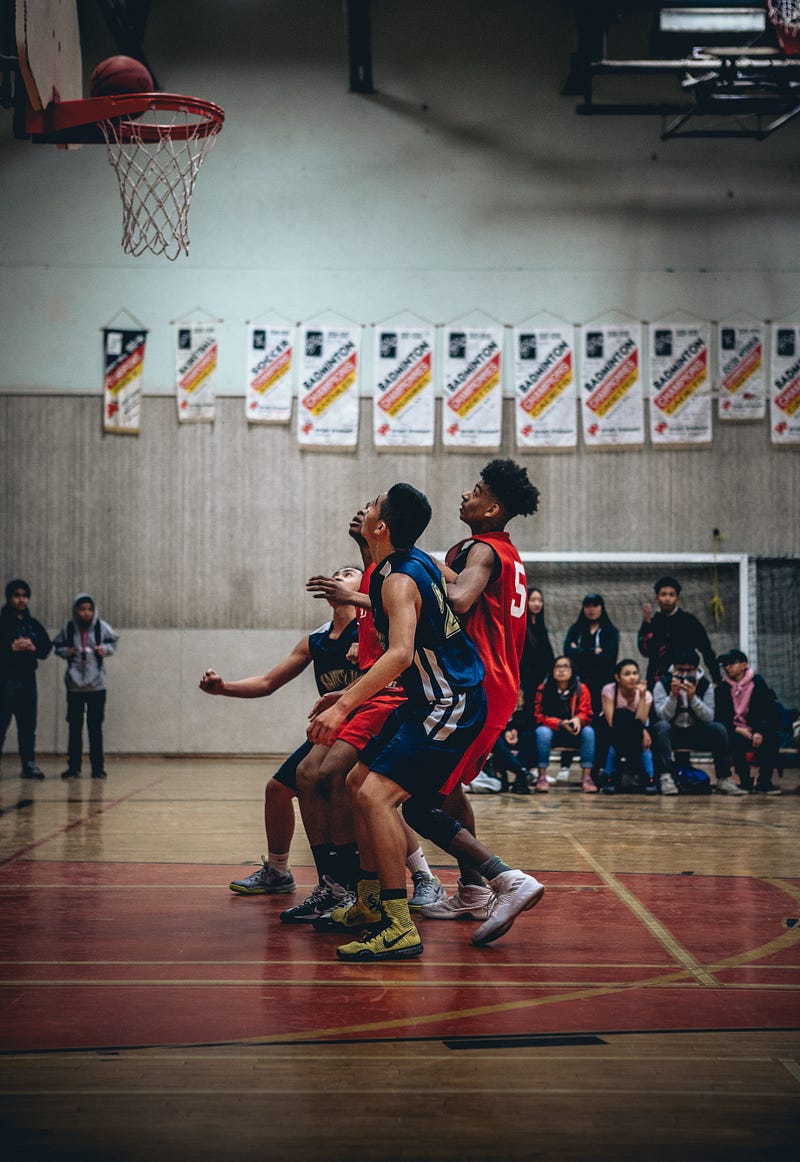
I grew up in East Tennessee and went to the local state college. I saw very few black people, and the few that I knew didn’t seem any different than me. We were all people from Appalachia.
Racism was something I thought happened in big cities and was on the nightly news now and then. It was a very abstract idea to me, not something I even understood. Sure there were jokes about black people, and about polish people or whatever. They were just jokes that had no meaning to me.
My first job after college found me in a small town in Arkansas
I got into sports writing and photography by accident. I thought of myself as a feature writer, but I soon learned in the real world of small-town journalism that you have to do everything.
I agreed to help out covering football one Friday night and I was hooked on sports writing from there. At small-town papers, you take your own photos. I had always liked photography, and my sports photos were better than even I expected.
I enjoyed hanging out with the kids some, and for the first time actually talked to black people. Mostly football players and some of their parents. A few assistant coaches. There were no head coaches who were black in those days, and I didn’t really even notice at the time. I liked hanging out with the black people. They were fun and liked sports too.
I had not been around black people much so this was a new experience and I was enjoying it.
Sometimes they would talk about the injustice of some kind, and they would shrug and say “that’s just how it is.” I didn’t know what that meant, but I found out over the next few months.
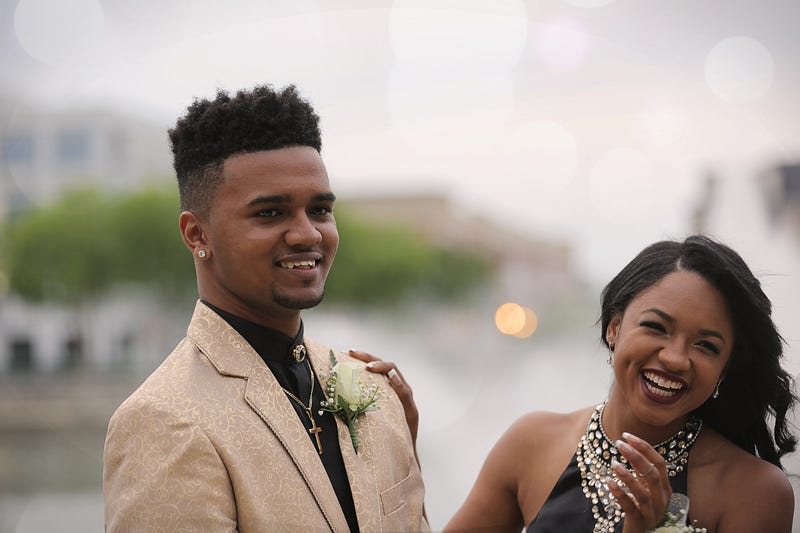
The first glimpse was when I made a mistake. This was before the Internet and before printed rosters were available. Getting names of players actually took some effort at times.
No one seemed to notice my mistakes until the day that I gave the wrong kid credit for scoring a touchdown. The irate parent was chewing me out on the phone, and then lowered the boom on me with .. “and this is a white kid.” As though that made the mistake worse.
No one cared if you spelled a black kids name wrong, but getting a white kid’s name wrong was a big deal.
The football team was pretty good, and the biggest thing in town, so the race card didn’t show up again until basketball season.
I got a few complaints about the pictures I chose for the paper. Especially once basketball season started “You are always putting black kids in the paper, you never put white kids in,” was the complaint. Of course, that was not true, but I did notice the negative feedback when black people were put in too good a light.
This was a negative thing and it bugged me some, but what really got my attention was what happened at the beginning of the next year.
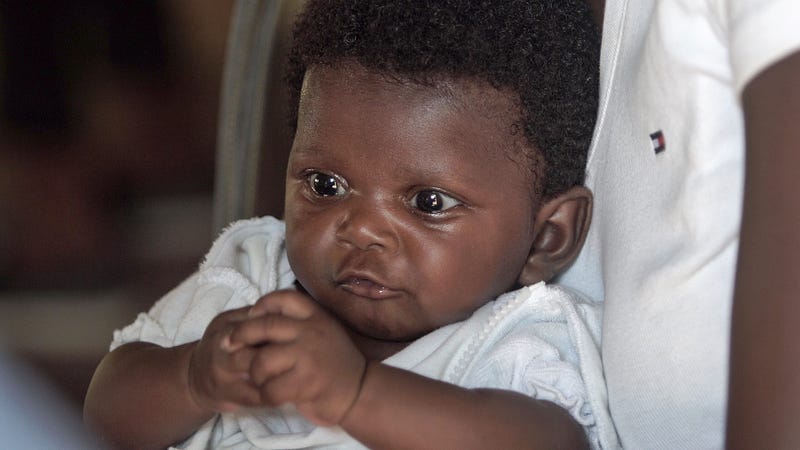
The paper had this promotion for the first baby born at the local hospital in the new year. Several merchants were in on the deal, and the couple would get a story in the paper and all kinds of gifts from the participating merchants.
So the first of the year rolled around, and there was no news from the hospital. This was a small town, so there were not babies being born every single day, but by around the fifth day of the new year we were getting suspicious.
I got word that there was a new baby at the hospital and I went and did the story, not knowing what was going on around me.
I went and took a picture and wrote a nice little feature story about the family. The black couple looked at me suspiciously and nervously answered my questions, often looking at each other with puzzling looks.
Soon the truth was out. The first baby born was black. The hospital didn’t know how to handle it because of all the hoopla around making a big deal out of the first baby. Several of the merchants backed out of the deal and didn’t deliver what they had promised.
They had all prepaid for ads in the paper congratulating the first baby too, and several wanted to pull out as well.
I turned my story in and it never saw the light of day.
It was then that I understood.


