
The Day a Biomechanics Engineer Became a Hero!
Discover the Ingenious Innovation that Overcame a Significant Challenge & Benefitted Amputees & the Nation
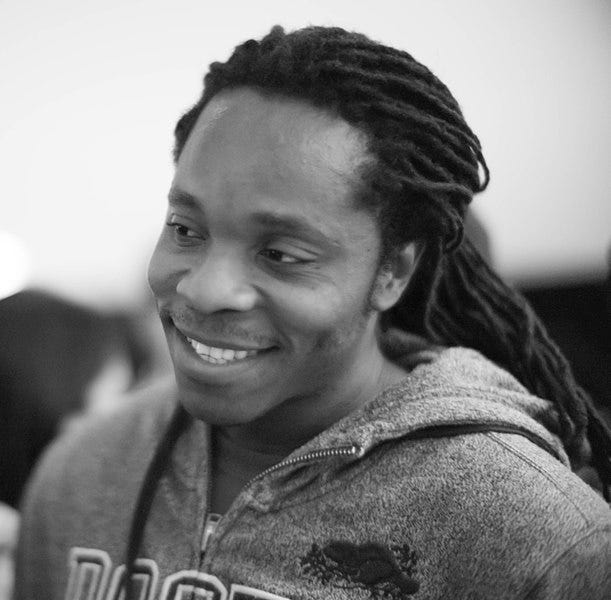
Service as Military Healthcare Provider
A few years back, I was privileged to serve as a healthcare provider, tending to the medical needs of military service members and veterans. My curiosity was piqued regarding their healthcare management once they were directed to specialist care.
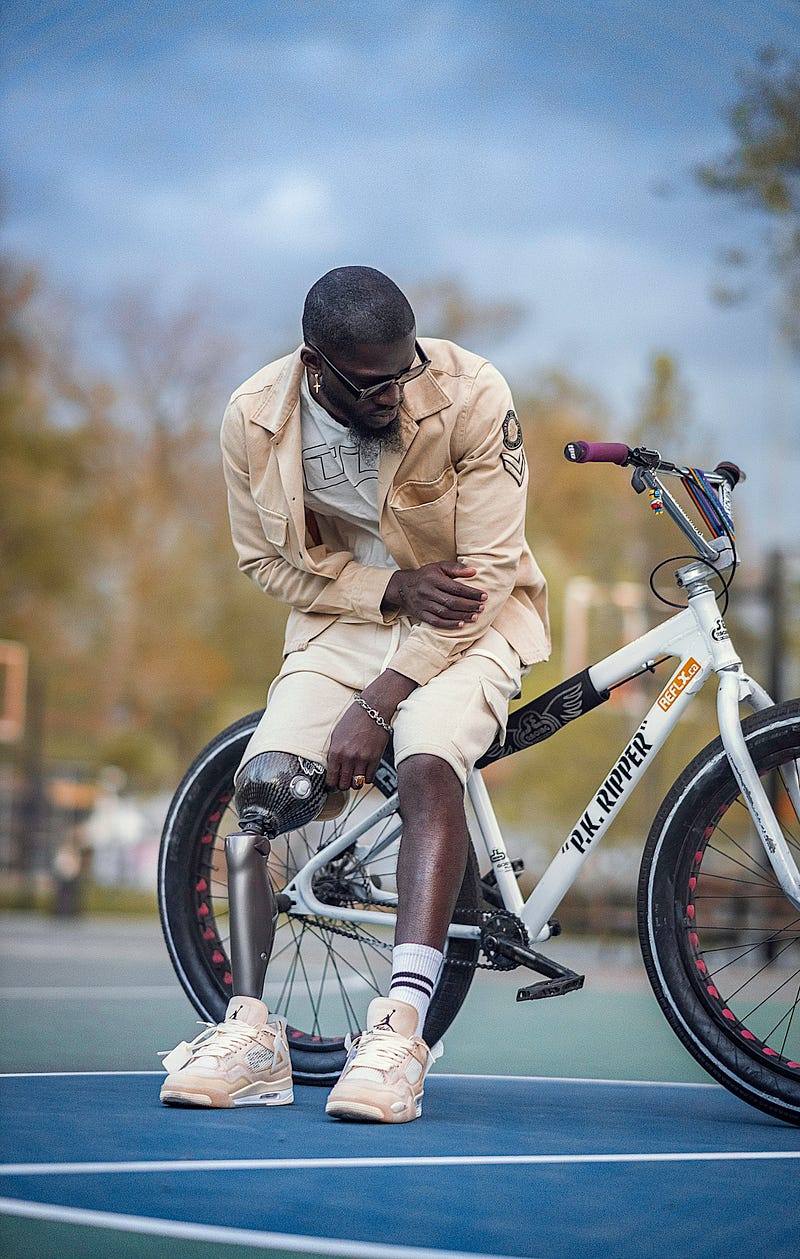
I express my deep respect and admiration for the individual who has taken the initiative to tackle the challenges faced by amputees who frequently suffer from pressure sores, blisters, and pain caused by prosthetic limbs.
This is the story of David Moinina Sengeh
The ingenious engineer who developed comfortable prosthetic limbs for those in need.
About David Moinina Sengeh
David Moinina Sengeh is a biomechanics engineer from Sierra Leone. He currently holds the Minister of Education and Chief Innovation Officer position in his home country.
Education
Sengeh proudly holds a bachelor’s degree from Harvard University, as well as a master’s and doctorate from the prestigious MIT.
Several decades ago, the civil war in Sierra Leone led to thousands of individuals losing limbs. The prosthetic devices at the time were highly uncomfortable.
David discovered that prosthetics often caused discomfort because they didn’t fit properly, resulting in blisters, pressure sores, and unbearable pain.
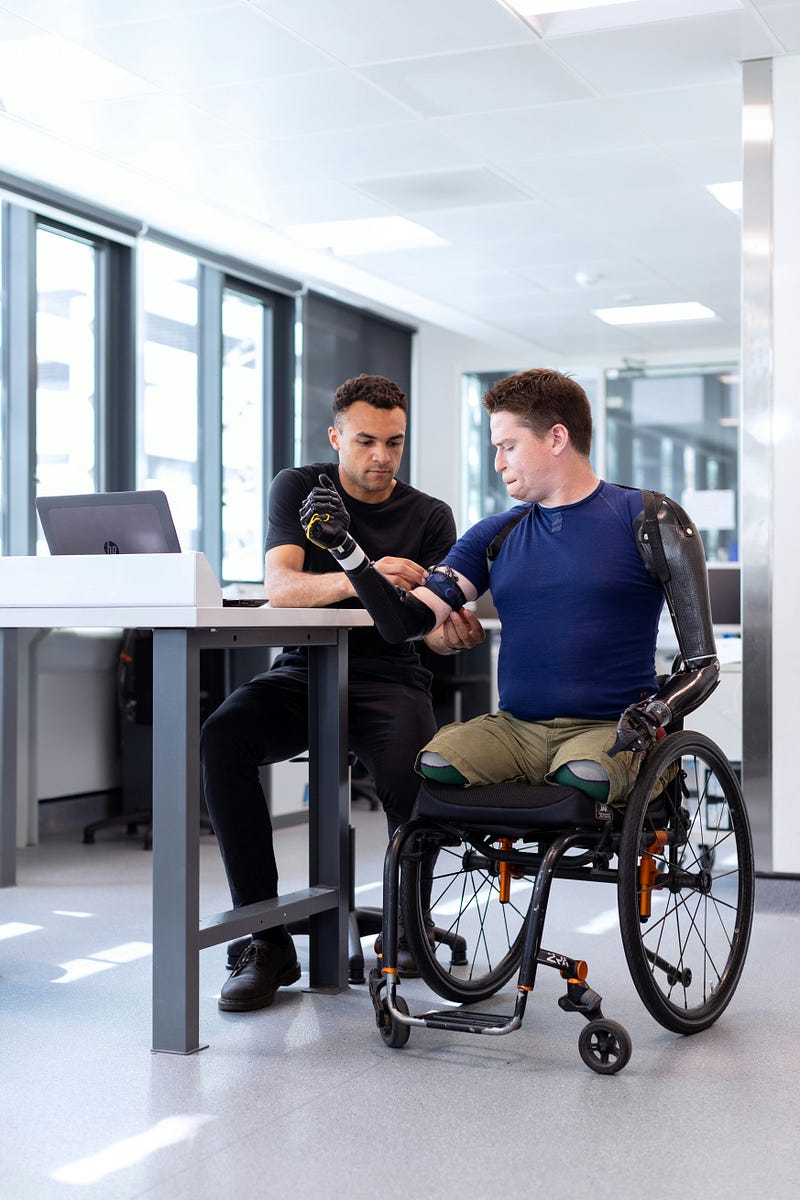
To tackle this issue, he collaborated with US military veterans, survivors of the Boston Marathon bombing, and other amputees to develop a cutting-edge system that uses 3D printing to create a prosthetic socket modeled from MRI scans and other data of a patient’s residual limb.
His aim was to create a prosthetic socket with enhanced comfort.
This process is fast and cost-effective and ensured a snug, comfortable fit. One veteran who had tried the personalized socket was thrilled with the result, describing it as incredibly soft and akin to walking on pillows.
Prototypes were tested by military veterans and amputees from the Boston Marathon bombing.
In 2014, David was recognized as a TED fellow and delivered a talk titled ‘The Sore Problem of Prosthetic Limbs’.
Sengeh’s design utilizes multiple technologies to produce significantly more comfortable sockets than conventional models, and they can be made affordably and swiftly.
In 2014, he was honored as one of Forbes’ 30 Under 30 and received the Lemelson–MIT Prize for his innovative contributions to healthcare.
In 2016, he earned his PhD from the Massachusetts Institute of Technology. He was recently recognized as one of Face2Face Africa’s Young Africans, Committed to Excellence.
After completing his doctorate, Sengeh shared insights on his work in prosthetics by engaging with Makerspaces across America.
He is the author of the book ‘Radical Inclusion: Seven Steps Toward Creating a More Just Society.’
Here is a short YouTube video to view David explaining his ingenious product, if you have time.
Thank you, readers for your time and support.
David Moinina Sengeh is a true hero in the field, relieving suffering of humans afflicted by tragedy.
Join Medium for as little as US$5 or US$15 a month and become a Friend of Medium. Enjoy the experience of being paid for publishing your articles and reading wonderful stories & great poetry on this unique platform.
Source: https://en.wikipedia.org/wiki/David_Moinina_ Sengeh
Source: httpa://commons.wikimedia.org/wiki/File:David_ Moinina_ Sengeh_in-Boston_in _2013 (cropped).jpg
Source: https://www.hpr.org/2022/09/30/1127251726/david-moinina- sengeh-the-sore-problem-of-prosthetic-limbs


.jpg)