
The Dark Side of K-Pop Fandom
When Pop Culture Fascination Turns Fanatic
Being a K-pop fan myself, you might say I’m pretty deep into this whole scene. I mean, who can resist the catchy tunes, the visually-striking music videos, and the immaculately coiffed boy and girl groups? Not me, for sure.
But the thing is, as much as we love our favorite K-pop stars — I mean, I’ve got posters of BTS plastered all over my walls — there’s a side to K-pop fandom that’s a little less like a candy-colored dream and a little more like, well, a bad acid trip.
Fan Obsession: It’s Not Just A Hobby Anymore
Now, I’m not talking about casual fans here. We’ve all got that friend who’s a casual K-pop fan — they’ve got a couple of favorite songs, maybe a favorite group or two, but they’re not losing sleep over it. What I’m talking about are the hardcore fans — the ones who spend hours, days, weeks even, scouring the internet for any hint of information about their favorite idols.
They’re the ones who have every single album, know every lyric by heart, and who can rattle off their favorite idol’s birthday, blood type, and favorite color at the drop of a hat. Some of them even make a pilgrimage to South Korea, visiting their idols’ favorite hangouts or even their homes — which, let’s be real, is downright creepy.
But hey, we all have our own quirks, right? And who am I to judge? I’ve definitely had my fair share of celebrity crushes and music obsessions.
The Dark Side of Fandom: Where Love Turns Obsessive
The thing about this level of fandom, though, is that it can take a dark turn. I mean, there’s loving your favorite idol, and then there’s loving your favorite idol. And the line between the two can get pretty blurry.
Just take a look at some of the incidents that have happened in the past. One of the most infamous cases involved a female fan of 2PM’s Taecyeon, who sent him letters written in her own blood. I mean, talk about taking things too far.
And let’s not forget about the case of TVXQ’s Yunho, who was poisoned by an anti-fan who gave him a drink laced with super glue. It’s like something out of a horror movie, except it actually happened.
But what causes this kind of behavior? Psychologists suggest that it’s a form of ‘celebrity worship syndrome,’ where fans become so obsessed with their favorite idols that they lose touch with reality. They become convinced that they have a special, personal relationship with the idol, which can lead to extreme and often harmful behavior. And let’s face it — it’s a far cry from just having a poster of your favorite band on your wall.
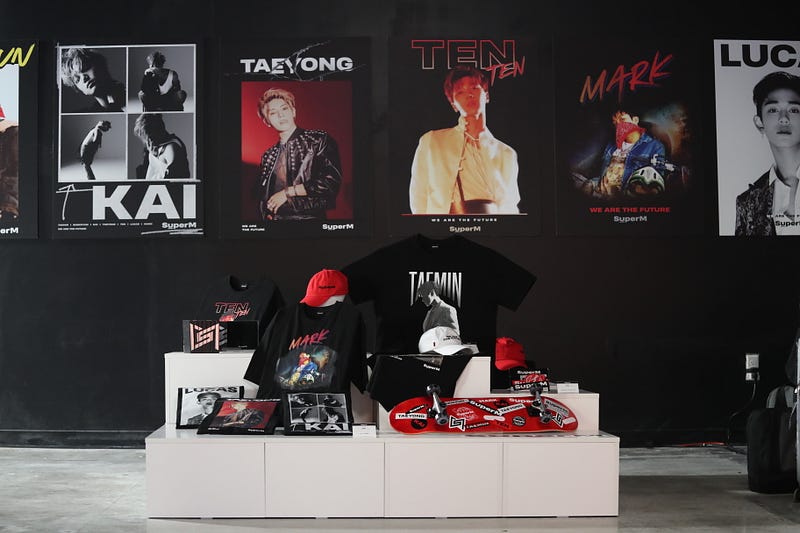
Online Harassment: When Fans Become Trolls
The internet has been a game-changer for K-pop fandom. It’s easier than ever to connect with other fans, share theories and fan art, and keep up to date with your favorite idols. But with the good comes the bad, and the dark side of K-pop fandom has found a home online as well.
Take a stroll through Twitter or Reddit, and you’ll quickly come across the fan wars — where fans of different groups clash in often vicious online battles. Now, I’m all for a bit of friendly competition, but when it gets to the point where people are sending death threats and spreading false rumors, it’s crossed a line.
And it’s not just between fans — idols themselves can become targets. Online harassment is a serious issue, and K-pop stars are no exception. From malicious rumors to body shaming, our favorite idols often bear the brunt of the worst the internet has to offer.
The Pressure to Be Perfect: Unrealistic Expectations and Burnout
You see, part of the problem here is the industry itself. The K-pop industry is known for its rigorous training system, where trainees spend years honing their singing, dancing, and even speaking skills before they debut. The result? Picture-perfect idols who seem to excel at everything they do.
But this image of perfection can have a serious impact on fans. Some fans start to believe that their favorite idols are infallible, placing them on a pedestal and setting unrealistic expectations. When an idol inevitably falls short of these expectations — whether it’s a minor mistake on stage or a more serious scandal — the backlash can be severe.
Not only does this put immense pressure on the idols themselves, but it can also fuel the fire of fan wars and online harassment. After all, if your favorite idol is perfect, then surely anyone who criticizes them must be an enemy, right?
The Isolation of Idol Life: When Loneliness Strikes
It’s easy to look at the glitz and glamor of K-pop and think that it’s all sunshine and rainbows. But behind the scenes, it’s a different story. The life of a K-pop idol can be a lonely one. Trainees often leave their homes at a young age to live in dormitories with other trainees, and they can spend years without seeing their families. And even after they debut, the non-stop schedule of training, recording, and promoting can mean little time for socializing or relaxing.
Imagine living your life under a microscope, where every action, every word, and even every outfit is scrutinized by fans and the media alike. It’s enough to make anyone feel isolated and alone. And for idols who are dealing with the pressures of fame, this isolation can lead to serious mental health issues, such as anxiety and depression. It’s a sobering reminder that our idols are human too, and they deserve our empathy and understanding.
Exploitative Practices: The Dark Side of the K-pop Industry
You may have heard of the ‘slave contracts’ that were once common in the K-pop industry. These contracts, often lasting seven years or more, essentially tied idols to their agencies, who controlled every aspect of their lives, from their diet and appearance to their dating life.
While there have been reforms in recent years to protect idols’ rights, exploitative practices still exist. Many idols are still under immense pressure to maintain a certain image, and instances of abuse and mistreatment by agency staff are not unheard of. Not to mention the financial exploitation — despite the millions of dollars the K-pop industry rakes in each year, many idols see only a fraction of the profits.
As fans, it’s crucial that we remain aware of these issues and use our influence to demand better conditions for our favorite idols. Because at the end of the day, our idols aren’t just entertainers — they’re human beings who deserve to be treated with dignity and respect.
The Impact of Cyberbullying: When Fans Turn into Bullies
We’ve talked about fan wars and online harassment, but what about when fans turn against their own idols? With social media, it’s easier than ever for fans to communicate directly with their favorite idols — but this accessibility can have a dark side.
Take the tragic case of Sulli, a former member of f(x), who took her own life after years of relentless cyberbullying. Despite being one of the most popular idols of her time, she was relentlessly criticized for her outspoken personality and lifestyle choices. The constant hate and harassment took a toll on her mental health, leading to a tragic end.
It’s a sobering reminder of the impact that our words can have on others. As fans, we have a responsibility to support our idols, not tear them down. Constructive criticism is one thing, but no one deserves to be bullied or harassed, especially not for simply being themselves.
Closing Thoughts
So, where does this leave us? I guess the point I’m trying to make here is that while K-pop fandom can be a wonderful, vibrant community full of passionate fans, there’s also a darker side that we can’t ignore.
Whether it’s obsessive fans, online harassment, or the pressure to be perfect, these are issues that we need to address if we want to ensure a healthy and supportive fandom culture. Because at the end of the day, we’re all here for the same reason — to enjoy some killer music and admire the talent and dedication of these amazing artists.
And remember, a healthy fandom is one that supports its idols, respects their boundaries, and treats other fans with kindness and respect. So, let’s turn down the volume on the hate and crank up the love. Because that’s what being a fan is really all about.
After all, as my favorite idol once said, “Music and performance transcends language and countries and races.” And I couldn’t agree more.


