
The Dark Side of Greens
On blood thinners? Take note.
For over thirty years, I’ve been trying to get my husband to adopt a healthier diet. I’ve nagged, I’ve cajoled, I’ve reasoned. I’ve bitched like a mofo.
The problem is: I am not what one would refer to as a “great cook.” Oh, I can make a mean scrambled egg, and a damn fine roast chicken, but I’ve put out a lot of hit and miss meals over the years.
My husband, being a good guy, has suffered in silence, for the most part. There have been times, though, when he has spoken up over my meat loaf, the size of which could feed a small country, or my incinerated sautéed mushrooms and broccoli, or any other of my gastronomic gasps for culinary help.
He had fair warning though: The first meal I made for him, in my apartment in Chicago’s Roger’s Park neighborhood, was a disaster from start to finish. I even screwed-up canned corn!
My thing: I futz with recipes. Yeah. Major futzing. I almost never make a dish, as written. In an attempt to create a healthier option, I’ll make all sorts of substitutions. Fat-free condensed milk for cream, stevia for sugar, whole wheat, instead of regular flour. Now this isn’t so bad, in and of itself, but somehow, my swaps nearly always make for a lesser dish.
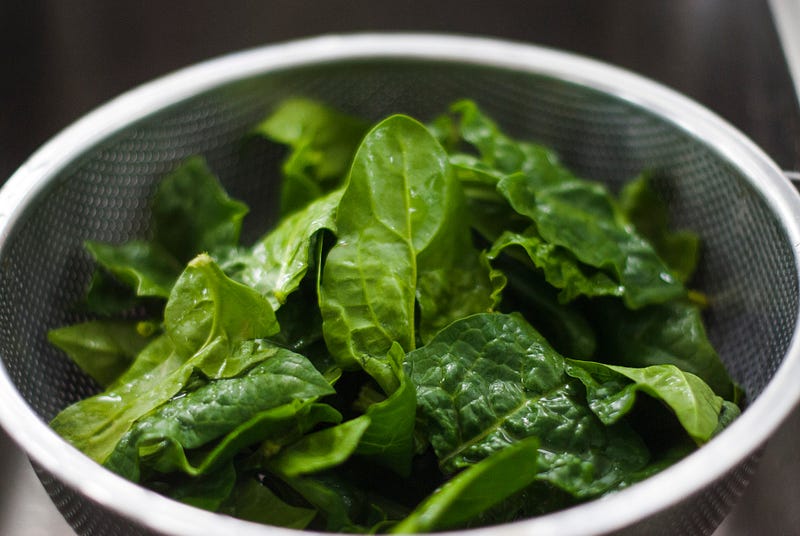
Thankfully, my husband loves greens. Spinach, especially. Steamed, sautéed, it doesn’t matter. And even I can’t mess up spinach. Healthy and easy. One would think this is a win-win, but now, even spinach has to be eaten with moderation.
Blood thinners are the culprit. If you’re taking them, as my husband is, you need to be mindful of combining meds like Warfarin with the Vitamin K found in most dark, leafy greens.
Vitamin K can actually lessen the effect of blood thinners, which are prescribed to protect against the formation of blood clots.
To break it down, Vitamin K is an essential part of the chemical process for forming blood clots in the body.
Can you see where greens and blood thinners butt heads? It’s a conundrum because spinach, kale and the like are also loaded with free radical-fighting antioxidants.
If you love greens and eat them frequently, it’s essential to talk with your doctor about this. You don’t have to cut them out entirely, but do know that if you ingest a lot of Vitamin K, your doctor may want to reduce the dosage of your blood thinner.
Again — this is a discussion you need to have with your doctor, so no cheating here. Don’t mess around with your meds, unless you’re courting catastrophe.
Meanwhile, here are 13 foods that are high in Vitamin K. As you’ll see, there are other foods aside from traditional greens, here. You may want to print this list and take it along the next time you have a visit with your healthcare professional.
1. Kale and Leafy Greens
2. Natto — A traditional Japanese dish made with fermented soybeans
3. Brussels Sprouts
4. Broccoli
5. Cabbage
6. Scallions
7. Prunes
8. Fermented Dairy Products — Think Greek and regular yogurt and cottage cheese.
9. Asparagus
10. Fresh and Dried Basil
11. Soybeans
12. Cucumbers
13. Extra Virgin Olive Oil
Okay. I know. This sucks, big time. So what the hell is a person supposed to eat? Especially someone whose health is already compromised, and wants to…well, be healthier?
Again, there is no need to avoid these foods entirely, but I am not a doctor, so, please have this conversation with him or her.
The good news? There are plenty of low Vitamin K veggies that you can and should eat with abandon: Dig into carrots, peeled cucumbers, peas, celery, eggplant, tomatoes and peppers.
And, don’t forget fruit, a great source of antioxidants, as well as vitamins, minerals and fiber. Fruit has a low level of Vitamin K, so you can enjoy, freely. Melons, plums, oranges, kiwifruits, grapes, bananas and blueberries are all excellent choices.
Heart-healthy, nutrient starches and grains should also be a part of your diet. We’re talking whole grains, here, like brown rice, quinoa, millet, oatmeal and “ancient grains,” such as farrow and amaranth.
Finally, eat your legumes. Black beans, kidney beans, chickpeas, lentils, peas. Aside from being a great source of vegetarian protein, legumes can also aid in weight loss and reduce the risk of heart disease.
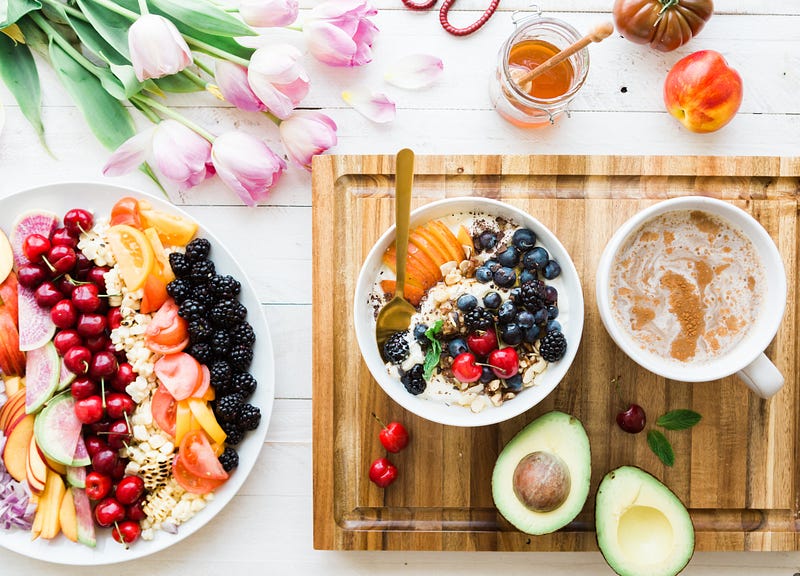
What do you do with all of the above? Get creative with your meals! You’ll note that I didn’t address the “eating meat thing,” because I don’t. At least, I don’t eat red meat. My goal is to give up meat entirely. For moral, as well as health reasons. And, if you’re on blood thinners, you already know that your consumption of meat should be a once in a while thing. And, low fat, lean protein, only.
If, like me, you need inspiration to serve up meals that are delicious, as well as healthy, you can’t do better than noted food and cooking author, Mark Bittman’s excellent VB6 guide book and follow-up cookbook.
Essentially, VB6 details how you can lose weight and restore your health by becoming a “part time vegan,” and eating only veggies, fruits and other plant-based foods, as well as legumes (in moderation) before 6 pm. After, you can eat what you like, but sensibly. The VB6 plan doesn’t give you license to chow down on a side of beef after the clock hits 6pm.
You can also eat heart-healthy fats like olive oil and avocados. YUM!
Personally, I love this way of eating. It’s so flexible and there’s no denying that eating primarily plant-based foods is not only better for our health, but for the environment, as well.
I’m going to do my best to get my husband on board with VB6. In fact, I’m going to submit this piece and then make a recipe from Bittman’s book.
“And Mark, I swear I won’t futz with it.”
Sherry McGuinn is a longtime Chicago-area writer and award-winning screenwriter. Her work has appeared in The Chicago Tribune, Chicago Sun-Times and numerous other publications. Sherry’s manager is currently pitching her newest screenplay, a drama with dark, comedic overtones and inspired by a true story.


