The Danger of Romanticising Toxic Males in Romance Novels
A ‘bad boy’ does not need saving by a woman; he needs therapy
I briefly dipped into a few dark romance novels on Amazon, hoping the genre had improved but was left disappointed. The bad boy trope is still too prevalent.
You know the type. He’s often presented as the broken soul who needs the right woman to guide him back to love. He acts like a d i c k because he is so damaged he doesn’t know of another way of behaving. He’s misunderstood. He’s rich. He’s bad for her in every way.
The problem with such novels is that they romanticise toxic behaviour. They tell women that you can change him if you try hard enough! If you haven’t changed him yet, even after putting up with his behaviour, outburst, cheating, disrespect, and violence, you just haven’t tried hard enough. He treats you badly because he loves you.
As a writer, I know the appeal of using a ‘bad boy’. They’re fun to play with and easy to show character growth. Plop him into a horror or thriller story and he’d fit right in as a villain, so what is he doing in a romance novel? And what message is it sending to readers?
Writers have tremendous power to influence readers. We also have a great responsibility. When we normalise such behaviour, what consequence does it have for young girls and women who don’t have the necessary life experience to recognise abuse? The responsibility of addressing this toxic behaviour lies with the man, not a woman looking for love. He needs to change himself. Get him to therapy. Please stop romanticising what should be considered huge red flags in any relationship.
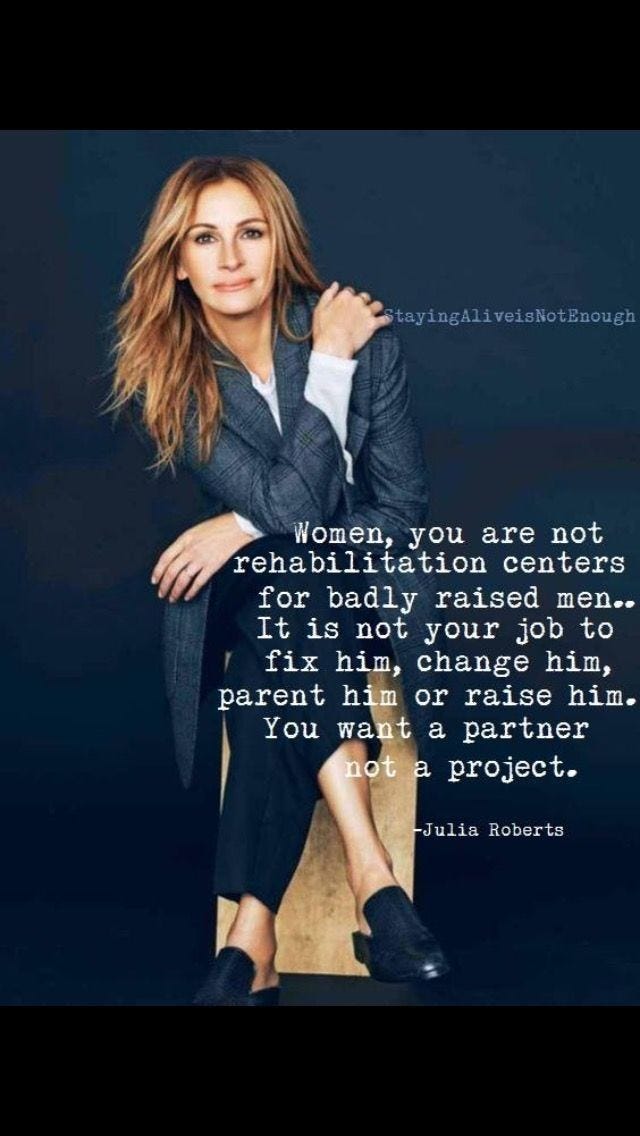
As that famous quote you often see on social media: