
The Danger of Not Knowing Your Own Value
Our self-worth impacts everything we do. It’s the lens through which we see the world and becomes part of the story that we tell ourselves. But what happens when we don’t have an accurate grasp of how just valuable we are?
One day, a father gave his son a 200-year-old watch. The style of the watch was well out of fashion, and the color had faded as well.
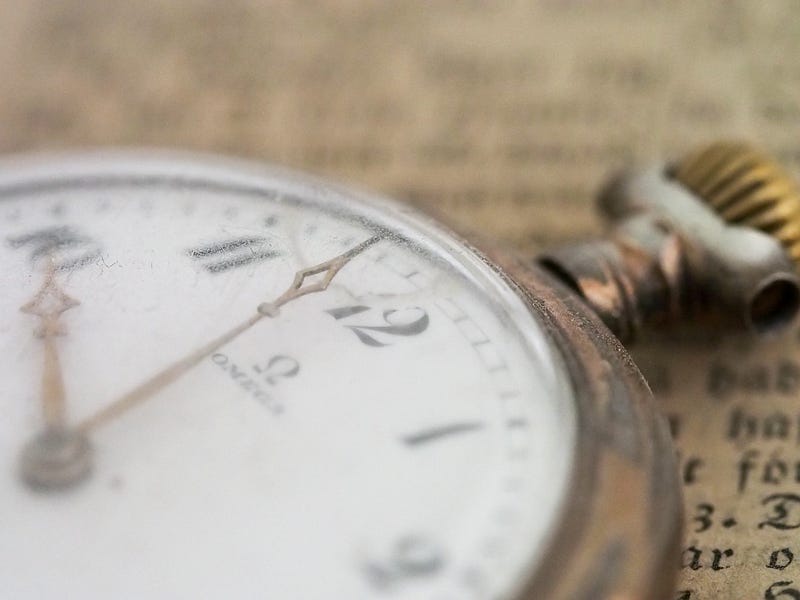
The father requested that the boy try to sell it at a jewelry store. The boy went to the nearest one and was offered $100 because the watch was too old. He returned home and told his father the news.
Nodding, the father then told his son to take the watch to the pawnshop. There, the boy was offered $20 for the watch because it was scratched and faded.
Finally, the father asked his son to show the watch to the museum. Expecting a similar value to the ones he was offered previously, the son wanted to simply return to the jewelry store or pawn shop before the owners changed their minds. However, the father insisted that the museum was at least consulted, and the boy obliged.
Straightaway, the boy was offered $375,000 for the watch, which was part of an antique collection. His father said to him:
‘People who don’t know their own value settle for someone else’s definition of their worth.’
This story is powerful because its acts as an analogy for what happens in many of our lives on a regular basis. We try to find where we fit, and how we can contribute, based on the offers of those around us. As the father explained, the danger of not knowing our value lies in accepting someone else’s definition of it. But just because a firm has rejected you for a job, it doesn’t mean that you aren’t worthy of working. Just because a friendship has drifted apart, it doesn’t mean that you aren’t worthy of effort and love. And just because a pawn shop offers $20 for a watch, it doesn’t mean that’s all it’s worth.
Knowing ourselves, and knowing our worth, means that we can refuse to settle for anything less.


