
The Dance Between Mind and Motion: The Subtle Symphony of Exercise and Mental Health
Once upon a time, in the microcosm of human existence, two powerful forces were eternally coupled in a breathtaking waltz — the Mind and Motion. Their intricate pas de deux defined the human condition in a profound and underappreciated way.
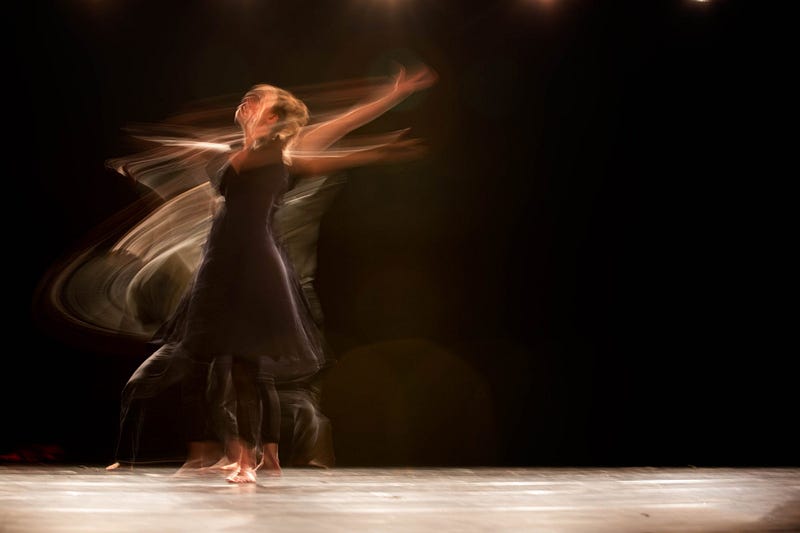
The weaving story of the Mind and Motion began with the earliest flicker of human consciousness. The athletic agility and mental acuity of our ancestors played a pivotal role in our survival — the agility to avoid predators, hunt for food, and the mental prowess to strategize and learn from experience. Such an integral relationship is not easily dissolved. Thus, remained a strong, undeniable link between physical exercise and mental health, influencing our very being from beneath the skin to our intellectual peaks.
The Science of the Dance
To understand the rhythmic dance of the Mind and Motion, one must delve into the labyrinthine kingdom of the brain. Herein, neurotransmitters, neural connections, and an orchestra of biochemical reactions reveal how physical exercise can manifest in improved mental health.
The impact of exercise on the production of endorphins, the body’s natural feel-good chemicals, is widely understood. This magical substance, released during physical activity, promotes a sense of well-being and happiness. However, lesser-known are other neuronal activities sparked by movement.
The growth of new neurons, a process known as neurogenesis, is accelerated by physical exercise, particularly in the hippocampus, a region associated with learning, memory, and mood regulation. This wondrous renewal process underscores the importance of consistent physical activity in our quest for enhanced mental health.
Additionally, regular exercise induces an increase in brain-derived neurotrophic factor (BDNF), a protein vital for the growth and maintenance of brain cells. Higher levels of BDNF are associated with better cognitive function, reduced anxiety and depression, and improved mood and resilience.
Emotional Ebb and Flow in The Dance
However, the dance between Mind and Motion is not solely scientific. It weaves an emotional tapestry as well. Active engagement in physical activities, whether running marathons or strolling through a park, cultivates a sense of accomplishment, builds confidence and strengthens self-esteem. As the body gets stronger and more capable, these feelings of mastery and control extend to the mind, fostering positivity and resilience.
Furthermore, the delightful byproduct of the Mind-Motion dance is the sheer variety of mental health benefits. There are several benefits to be gained from these, including lower stress levels, reduced anxiety and depression symptoms, better sleep, and improved cognitive function. Indeed, physical activity, in this sense, becomes a soulful elixir, quenching the parched crevices of our psychological landscape.
The Dance Across Lifespan
Interestingly, the benefits of the Mind-Motion dance are not bound by temporal chains. From children to the elderly, the dance’s potent benefits echo through the vast corridors of life.
For children, physical activity has been linked to improved concentration, cognitive performance, and even academic achievement. Studies have found that short bursts of moderate-intensity aerobic physical activity (PA) may improve children’s executive control and cognitive abilities, potentially benefiting their education.
For the elderly, engagement in regular physical activities has been hailed as a veritable fountain of youth, improving cognition, ameliorating cognitive decline, and staving off memory-related illnesses. When looking at a study done on the American elderly during the COVID-19 pandemic, the results showed that greater total physical activity levels were associated with lower rates of depression. Additionally, hierarchical regression analysis suggests that light and vigorous-intensity physical activity were significant, independent contributors to depression symptoms in this population.
Mastering the Dance
To harness the rich reward of the Mind-Motion dance, one need not be an Olympic athlete. The beauty of this waltz is in its inclusivity. Simple activities like walking, swimming, or even housework can invite the dance. What matters most is regularity, consistency, and enjoyment in the movement.
And so, the ancient waltz between the Mind and Motion persists, a silent symphony that shapes our journey in this world. As we navigate through the maze of modern life with its unique vortex of stresses, appreciating this age-old dance can simplify the pathway to better mental health. Physical exercise, then, is not just beneficial, it is crucial. It is a dance partner that holds out its hand, constantly beckoning us to join the mesmerizing dance of life.