
The Customer Is Rarely Right. But It’s Ok — It’s Better If They Think They Are.
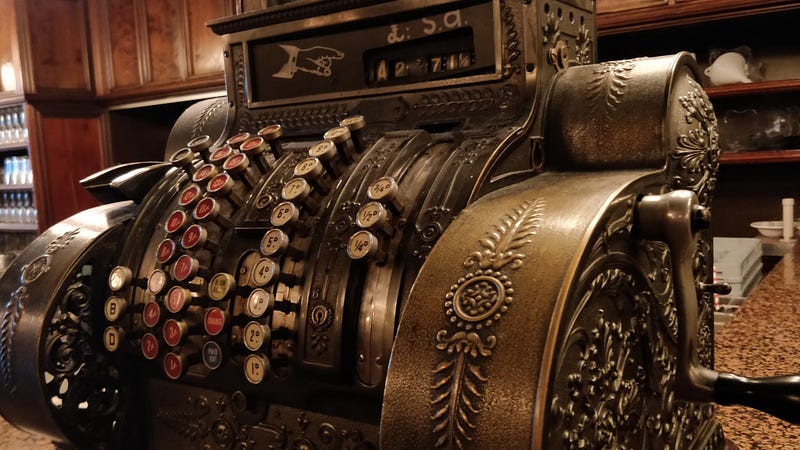
Something revolutionary happened in 1909; a department store founder in London (Harry Gordon Selfridge) coined the term “The customer is always right” as a marketing play. Soon after the term began to spread like wildfire across the globe.
In theory, the term was meant to give customers a way of ensuring they had the best customer service. If a shop stood by the term, customers could feel confident in shopping because they would know that they would be in control.
The issue, however, is that as I’m sure it was in 1909 and is in 2020, the customer isn’t always right. In fact, in most cases, the customer is completely wrong. So why is it that this term still holds so much weight when it shouldn’t?
The Cost Of Gaining A Customer
One of the hardest things to do as a business is to gain a new customer. This is why, when you look at the top-performing businesses of all time, they are all businesses that sell consumable goods and have customers who come back again and again. After the initial sale of a good, as long as the good or service lives up to expectations, future sales become much easier. From a business perspective, the initial sale is the most costly and oftentimes results in a loss, while future sales drive revenue.
When a business adopts the term “The customer is always right” they remove a large portion of the friction preventing a new customer from trying their goods or services. This results in a lower cost to acquire a new customer. While the business will inevitably lose money on some customer’s through frivolous complaints and customer stupidity, the loss from the few bad actors is less than the amount that would have been saved because of the lower cost of customer acquisition.
The Cost Of Keeping A Customer
While the cost of keeping a customer is much lower than attracting a new one, people can easily be turned off a business if they feel as if the business “tricked them” — even if that isn’t the case.
Most businesses will have a 50–70% profit margin on their goods, meaning that if a customer goes to the grocery store and along with their regular shopping they buy their family steaks and spend $100 on them, the store will have made $70 from the steaks. (Of course, this is before accounting for the store paying rent, employees, utilities, advertising costs, and everything else related to running a business.) Say the customer was expecting to buy a BBQ steak such a rib eye but made the mistake of buying a roasting steak such as an eye of the round. The BBQ the eye of the round, and it turns out hard and tough. While it’s no fault of the store, the customer comes back to complain about the steaks.
If the store turns them away saying they bought the wrong type of steak, they risk losing the customer for life. If instead, they accept the return, chances are that while the customer may no longer buy steaks from the store, they will continue to do their regular grocery shopping there.
If the customer regularly spends $300 a month on their groceries, the $30 cost-of-goods loss from the steaks is a small price to pay for the customer’s loyalty.
What About The Karens?
If you don’t know what a “Karen” is, no it’s not an actual person named Karen. A Karen is a customer that complains each time they visit a business and is never happy with the service or the goods it provides — but for some reason keeps coming back. These types of customers are usually bad actors who try to game the system in order to receive free goods or services.
When it comes to customers like this, businesses are usually best off accepting a return but refusing future service. Until recently it’s been difficult for businesses, especially large businesses, to keep track of these types of customers. While small businesses can easily remember a repeat bad customer, large chains, or stores with many employees have difficulties. The good news (for businesses not for Karens) is that corporate giants like Amazon are beginning to create systems that track the bad actors and refuse service. Amazon is now tracking returns and will begin disabling accounts and banning customers who return a high percentage of what they purchase.
Usually, when a big business (like Amazon) change, it leads to changes across the board. As Amazon implements its changes, the technology will likely begin to spread across multiple industries.
Wrapping Up
While there are bad actors that take advantage of the term “The customer is always right”, in most cases, businesses benefit from allowing the customer to be right, even if they aren’t.