
The Current State of Electric Vehicles
The true problem for slow EV adoption
Prologue:
With any new technology that disrupts the world, there is always a point in time when its path towards market dominance is a certainty. Electric vehicles are almost certainly a disruptive technology and they are almost certainly the technology that will, with time become a dominant force that will surpass its predecessor.
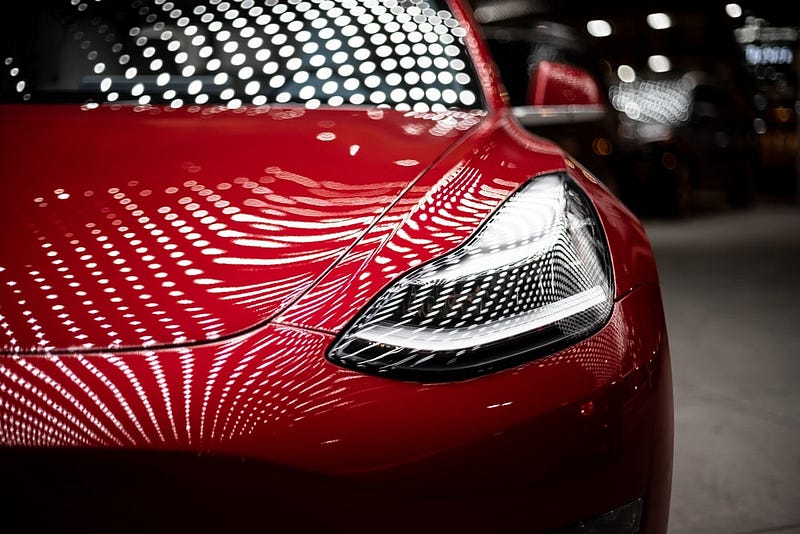
The industry has been reliant on the ICE or internal combustion engine that drives our automotive industry today that almost certainly all of us have either used, own, or will own shortly, but there is a small chance where when asked we might say that our next car would be electric but it might be the case.
The average consumer, according to popular surveys would not even consider purchasing an EV which contradicts the belief that EVs are at the tipping point to surpass the ICE automotive industry. This is because they are either too expensive, too short-range, and not as reliable in the eyes of the consumer.
The Problem:
The main problem that haunts us the charging time for EVs is just too slow and not everyone is ready to stop driving every 2–4 hours and charge their vehicle for about 45 minutes. The most popular EVs like the Tesla Model 3, Nissan Leaf, and Chevy Volt are quite affordable around $35K but their average range is about 251 miles consumers expect a range of about 300 miles.
EVs are trying to resolve this issue by improving battery technology which is quite important as that is the heart of the EV and it has been on an upward trajectory thus improving the cost/KWh of the battery down which is vastly important in the grand scheme of things.
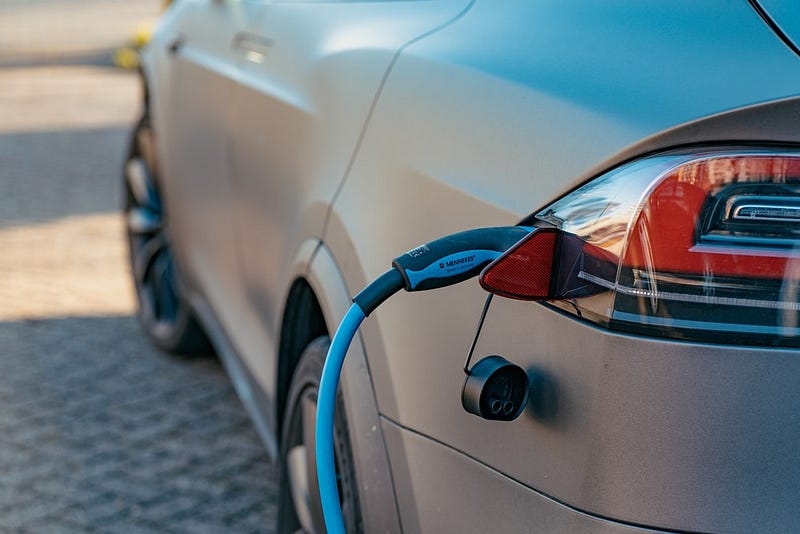
Charge time is the next hurdle that will push the market towards the tipping point of the industry as mentioned earlier the average charge time is 45 minutes if the manufacturer provides fast charging but consumers expect about 30 minutes.
We as humans have come a long way in terms of technology and over the years we have seen great developments in this space in the smartphone industry sector where manufacturers provide fast charging technology that can charge our phones to almost 100% in less than 30 minutes but it is not the same when it comes to EV’s battery capacity is higher and though we reach about 190 miles in 30 minutes which is far from what the average range is expected per charge by the consumer.
The problems occur because of the supply of these fast charges which is vastly different for each car based on its manufacturer and also on our Power Grid system. Batteries hold a charge in the form of DC but our power grid run on AC chain while the cars are charged the AC is converted to DC and supplied to batteries which hold them.
The way this conversion takes place causes lots of wastage in various forms and also is not safe if performed at higher voltage as it is how electricity works. Manufacturers need to take this into account while building out their charging station systems and implementing their battery technology as well.
EV charging stations are competing with gas stations which we are used to in ICE cars. We can fuel our current cars in relatively few seconds or minutes before we gain miles that we need to travel when compared to our Electric counterparts this might not be suitable if someone needs to refuel quickly before they head off.
The only feasible solution one might think of is to have faster chargers but that will not work as the cost to build a single charger according to experts is about $40K which means building an entire station that can charge around 6-8 cars would cost somewhere around $250K to $380K.
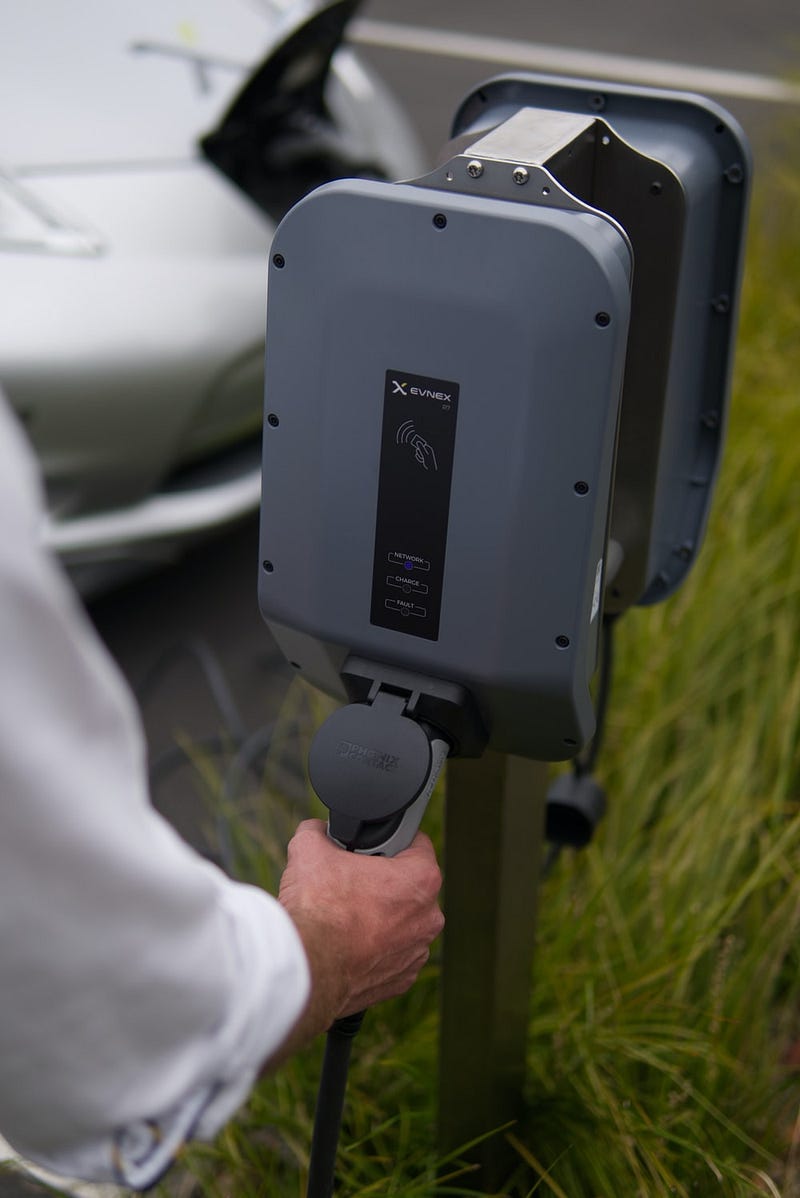
The alternative to this would be to have more charging stations closer to each other which in turn will help users ease the problem of waiting a long time to replenish their car’s this is because batteries currently charge fast up to the first 25% while compared to the last 25% which means charging a car up to 100% and driving it till empty would almost be slower compared to charging the car 50% twice and driving it till its empty.
In the current state traditional gas stations are on an average about 5 minutes from everyone but EV stations are at about 30 minutes plus the cost to build and maintain a traditional gas station has almost been brought down to an art and its cost to build and maintain is one-fourth while compared to Tesla’s supercharger station.
If Tesla needs to build as many stations as to reduce the distance in time to bring it close to gas stations it will need around 7 billion dollars and unless all other manufacturers use this system to charge their cars it is going to be an unnecessary expense for the 750K Teslas running in the USA currently.
The other problem is the charging standards for each manufacture, unlike the gas station counterparts where the standard has already been set and used to date to fuel both petrol and diesel cars and this is not the same in terms with EV charging standards as there are different plug models with different inverters which charge different vehicles such as J1772, Tesla supercharger(US), CHAdeMO, CCS, etc. These different standards exist because everyone who is invested in these systems needs to have their skin in the game as it is business which is what will drive this market further. An example of this would be how wireless chargers in early adoption devices had standards like Qi and PMA but now we predominantly use Qi as the standard as companies like Apple adopted this system or how almost every new smart device currently use USB-C after the age of using different types of cables.
The solution:
This problem has been mitigated/avoided in the EU as the law states that almost all DC charging stations need to have CCS plugs which forced the hands of manufacturers like Tesla and they adopted this as a standard in their stations along with their cars manufactured for the EU which has increased the number of charging stations without the expense or cost to build the infrastructure as the law helped create a standard.
Therefore in countries like the USA until we form laws or bring about standards that can help build up our infrastructure to suit the different EVs in the market we will be stuck in a deadlock problem.


