
The Cracked Pot!
Flaws make us unique!
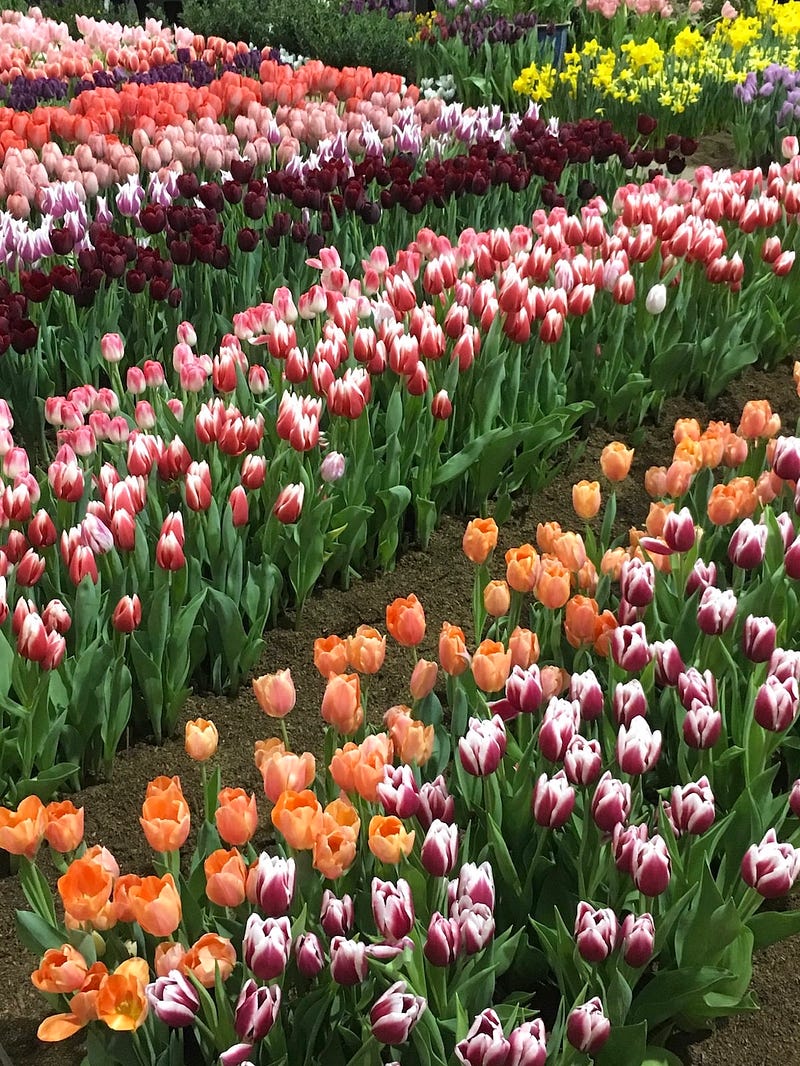
Flaws are what make a character interesting. They help us relate more deeply to characters (because we’re all flawed, right?) and can even make characters more attractive to the reader.
Flaws are actually what makes us human, individual beings with unique characteristics.
We expect our antagonists to have notable flaws, but our heroes should have a few, too, to make them seem more human. Developing flaws is a big part of how to make a unique character. Flaws can be best utilized if we can understand them and get benefits from them.
Once upon a time, there was a water-bearer who had two large pots, each hung on each end of a pole he carried across his neck. One of the pots had a crack in it, and while the other pot was perfect and always delivered a full portion of water at the end of the long walk from the stream to the master’s house, the cracked pot arrived only half full.
For a full two years, this went on daily, with the bearer delivering only one and a half pots full of water in his master’s house.
Of course, the perfect pot was proud of its accomplishments, perfect to the end for which it was made. But the poor cracked pot was ashamed of its imperfection and miserable that it was able to accomplish only half of what it had been made to do.
After two years of what it perceived as a bitter failure, it spoke to the water-bearer one day by the stream. “I am ashamed of myself and want to apologize to you.” “Why?” asked the bearer.
“What are you ashamed of ?”
“I have been able, for these past two years, to deliver only half my load because this crack in my side causes water to leak out back to your master’s house. Because of my flaws, you have to do all of this work and you don’t get full value from your efforts, the pot said.
The water-bearer felt sorry for the old cracked pot, and in his compassion, he said, “As we return to the master’s house, I want you to notice the beautiful flowers along the path.”
Indeed, as they went up the hill, the old cracked pot took notice of the sun warming the beautiful wildflowers on the side of the path, which cheered it some.
But at the end of the trail, it still felt bad because it had leaked out half its load, and so again apologized to the bearer for its failure.
The bearer said to the pot, “Did you notice that there were flowers only on your side of your path, but not on the other pot’s side?
That’s because I have always known about your flaw, and I took advantage of it. I planted flower seeds on your side of the path, and every day while we walk back from the stream, you’ve watered them. For two years I have been able to pick these beautiful flowers to decorate my master’s table. Without you being just the way you are, he would not have this beauty to grace his house.”
Each of us has our own unique flaw. But it’s the cracks and flaws we each have that make our lives together so very interesting and warding. You’ve just got to take each person for what they are and look for the good in them.
You can be kind enough to anyone with your words too!
Thanks for reading Shameem Anwar and for your valuable time!
I appreciate Ali Hall for spreading valuable kindness stories through her publication and making it a Haven for kind stories!
Come and write with us at Spread the Ripple.
This story was brought to you by Spread the Ripple. We are a publication dedicated to kindness. Kindness is our superpower. Read more stories and come and write with us here:


