
The Covid pandemic’s true test
Challenging our humanity
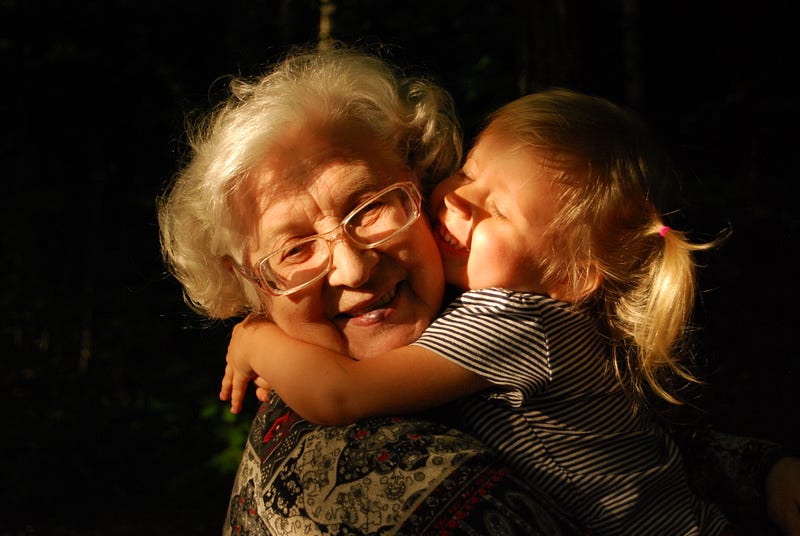
As we mark the sombre 1 year anniversary of the Covid outbreak, one thought stands out in my mind: this global pandemic has been a litmus test for our sense of humanity. It should have forced us to reevaluate how we treat our elderly and the role they play in our modern society. It should have prompted us to question our priorities on an individual and collective level.
As we watched governments from around the world implement a series of measures in an attempt to contain the spread of the virus, the reactions and opinions to those measures were as swift as they were varied. Most supported the actions taken but with a trace of dubiousness. A vocal minority screamed conspiracy, hoax and the end of our individual liberties as we know them. Far be it for me to question the validity of the PCR test (or the correct amplification cycle), the lethality of the virus, the safety of the vaccine , the accuracy of the numbers, or Bill Gates’ true intentions (saving the world or ruling it) but I will focus on one statistic because if we cannot agree on details then we must take a step back until we can reach agreement.
That statistic is overall deaths (in Canada since it is my country of origin) in 2017, 2018, 2019, and 2020 for the period commencing July 1st and ending June 30th (reported on Statista.com). The numbers are the following:
2017 — 274 240 total deaths
2018 — 283 770
2019 — 287 460
2020 — 300 314
A rise in deaths from year to year is to be expected due primarily to an aging population but one cannot help but notice a larger than average jump from 2019 to 2020 (calculated difference in overall deaths from year to year in Canada from 2010–2019, 5555). I am quite certain we can all agree these additional deaths from 2019–2020 were caused by the Covid-19 pandemic. Furthermore, Statistics Canada states:
“From the end of March to the start of June (2020), there were an estimated 7,576 more deaths than what would have been expected if there was no pandemic. Of these excess deaths, 52% were individuals age 85 and older, 36% were aged 65–84 and 12% were younger than 65” (Statistics Canada).
Some may argue that these numbers do not justify the measures that were taken (lockdowns, curfews, store closures, masks) and the collateral damage they caused to the economy, to education, and overall mental health. Misery begets misery. In response to this, I would point out that these deaths occurred in the context of lockdowns, curfews, shuttered businesses and masks. Had these measures not been taken, the numbers would have been quite different. It also gets to the heart of the matter: the value of human life? Of the excess deaths, over 50% were aged 85 years and older and many already suffered from chronic health conditions and were arguably facing death in the near future. Does that in any way diminish the value of their lives? How many more deaths would have been necessary to convince us all that the measures taken were necessary? Numbers and statistics have a dehumanizing way about them.
Long before societies were developed, there existed a process that addressed this very question. It was called natural selection. Nature had a way of eliminating the frail. Only the strong survived and moved on. Humankind however, evolved to see the benefits of collectivity. The very idea of a society is sacrifice for the common good. To live in a society is to make compromises either through paying taxes or heeding laws and/or regulations. A healthy society values all lives equally regardless of age, race or socioeconomic status. In other words, a sense of humanity was created.
In the province of Quebec (where I live) this pandemic, exposed the shortcomings of our governments and systems. It shone a light on the decrepit conditions of our institutions (specifically schools and long term care facilities for the elderly) and the lack of organization and coherence of our bureaucracy, and this in spite of being the most heavily taxed society in North America. We were once again reminded of, and felt shame at how poorly the most vulnerable of our society were treated. In other words, it challenged our collective sense of humanity. But this should not have come as a surprise since for the past few decades, numerous articles outlining the lamentable state of our facilities have been written.
In 2056, a third of the Quebec population will be aged 65 years or older. This will have profound implications on the very functioning of our society and the role the elderly play in it. At the very least, this pandemic must be used as a springboard towards reinventing society because if certain experts are to be believed, this pandemic will not be our last.
In the wake of Covid’s devastating trail, we are left with many questions and no easy answers.
As natural selection plays a different evolutionary role, how do we value human life?
What role do the elderly play in our society?
What value do we place on the education of our children?
How does our consumption affect our environment?
More than ever, it is essential we stop asking the questions and start implementing the answers faster.
I cannot help but draw a parallel between the current climate crisis debate and the Covid pandemic debate. Both have had their fair share of sceptics. It is unfortunate that the numerous and frequent warnings of scientists and experts are not sufficient to motivate governments to act and prevent. Could the management of the pandemic been handled differently, no doubt. Hindsight will once again be 20/20. But it is the nature of humans and their governments to react only when pain is felt. The Covid pandemic caught us with our pants down, as did the Katrina hurricane in the USA in 2005, the 2004 Tsunami in Thailand or the 2010 Haiti earthquake. I think we can all agree that much pain has been felt. But the pain we felt in 2020 may be little compared to the pain we may feel in 2050 when a third of our population will be elderly and the earth will be on fire.
Optimistically yours.