
How Did the Countercultural Revolution of the 1960s Start and End?
How it changed American society forever!
FYI: The hippies are going to be featured in my third novel.
There have been different counterculture movements throughout US history. Some of them were: The Shakers, Hamilton Lodge Ball, The Christian Century, The Women’s National Democratic Club, The Yippies and Ecovillage at Ithaca.
Why is it called counterculture?
Counterculture was an alternative lifestyle developed during the 1960s by individuals who would be later called as hippies, freaks, or long hairs. They had the same convictions of the New Left Movement because they wanted to overhaul the domestic policies in America. They were not satisfied with the status quo or the prevailing value and culture that emerged after WW2 ended and wanted to keep away from that American society. This is why it is termed as counterculture. They attempted to establish their own towns, economy, political institutions and societal values.
What is a hippie?
A Hippie (also spelled hippy), is a person especially from the late 1960s and early 70s, who rejected the values and established institutions of the culture that emerged after WW2 ended, and went against accepted society turning to alternative lifestyles like communal living, psychedelic drugs and clothing styles.
They embodied the counterculture of the 1960s because they rejected traditional culture by dressing casually. Males wore their hair long and everyone wore folksy or used clothing adorned with beads, headbands and often flowers. They stressed on the importance of how love and direct personal relations were. Some tried to expand their consciousness through various psychological techniques like mediation, using mind altering drugs like marijuana or LSD. They were also against the Vietnam War, and the men objected to the draft.
Hippies were formerly what was known as the Beats or Beat Generation of the 1950s. They too were dissatisfied with American society and alienated themselves into a small underground movement. The Beats rejected American standards, followed new societal norms and developed concepts, shunned materialism and started a new drug culture. Many prominent leaders were Allen Ginsberg, Jack Kerouac and Lucien Carr. They tried to lay low and to ostracize themselves from the political issues of the 50s. But by the late 60s, more young people in their teens and twenties had joined them and they became the hippies with the same ideals but with more colored clothing, long hair, folk music, long hair, peace signs, participating in the politics of the late 60s and early 70s. The music they promoted were folksy, psychedelic riffs of Bob Dylan, The Beatles, Jefferson Airplane and the Grateful Dead.
They tended to set up living quarters in bigger cities, which came to be known as hippie villages or districts. Some locations were Haight-Ashbury in San Francisco, Old Town in Chicago and Greenwich Village in New York City became centers for hippie living. They had their own gardens, head shops, music venues, restaurants also provided cheap way of living and alternate lifestyles, including vegetarianism. They also promoted psychedelic mind-altering drugs such as peyote and LSD (acid). Timothy Leary and Ken Kesey, promoted acid tests. It allowed a person to consume acid in a peaceful environment all the while being surrounded by friends, music and good vibes. Leary campaigned for the use of experimental drugs by his ‘turn on, tune in and drop out’ advertisements.
Haight-Asbury Area
Haight-Ashbury district is within the city of San Francisco, CA, adjacent to Golden Gate Park. It became a famous bohemian enclave in the late ’50s and ’60s, and had a large black population. By the mid-60s, the district was attracting the hippies also known as flower-children, and became the center of hippie counterculture. By 1967, thousands of American youths in their teens and early 20s, came there for the ‘Summer of Love’. Most came for the transcendence and mysticism, to protest the Vietnam War and the materialism of American society. They usually lived in rented apartments or shared a house. A group of people called the Diggers, started free restaurants stores, clinics. They wanted to protest against illogical capitalism. However, the residents of that area did not like or trust the hippies because of their drug culture and liberal attitudes towards society.
Origins of the Hippie Counterculture
In 1964, author Ken Kesey who wrote the novel One Flew Over the Cuckoo’s Nest wanted to rediscover America with some of his friends. They named themselves Merry Band of Pranksters, painted a 1934 International harvester school bus with garish colors naming it ‘Furthur’. Equipped with a supply of mind-altering drugs which included LSD, drove from La Honda California to the World’s Fair in New York. They also had a public address system on the bus. On the way some of them took psychedelic drugs that brought them to the edge of madness. They also had strange encounter with famous people like Jack Jerouac, and LSD guru Timothy Leary. They travelled to many cities and met fun-loving locals who were inspired by their wild drug-induced parties and carefree lifestyles. The youth were rebelling against the conventions that the older generations had thrust upon them, looking for a way from the disheartening warm violence and racial discrimination. They got that with Ken Kesey and the Pranksters, and Furthur. This trip was documented in Tom Wolfe’s book The Electric Kool-Aid Acid Trip, published in 1968. Therefore, they accidently ignited the counterculture movement on that cross-country bus trip.
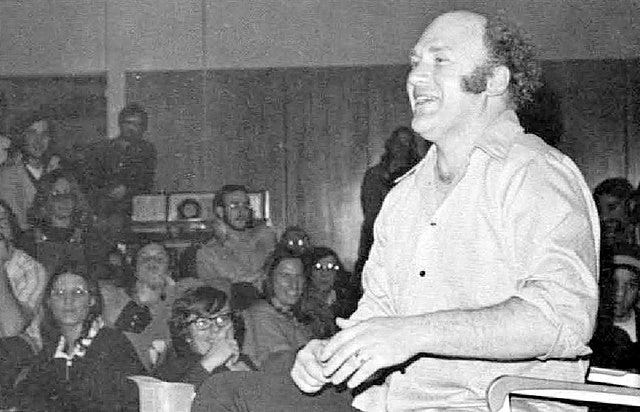
Unlike the beats, the hippies believed in participating in politics. The most important political issue at that time was the Vietnam War. The hippies rejected war for two reasons, because the hippies supported the idea of peace and harmony through mankind, and many of the hippies were young adults. Therefore, the males rejected the idea of registering for the draft and being sent off to war.
The Yippies who were considered the political arm of the counter culture, participated in sit-ins, protests and also political events. They organized mass gatherings and also the anti-war march on Washington DC in 1967 where they tried to levitate the pentagon and they also organized the Festival of Life in Chicago in 1968 protesting against the Democratic National Convention.
Festivals
Happenings or be-ins, or love-ins were gatherings of hippies. It happened in many places across America and in the Haight-Ashbury area during the 1967 ‘Summer of love’. Most attendees were youths who left their parents and homes deeply believing that something better was happening somewhere else and at these events.
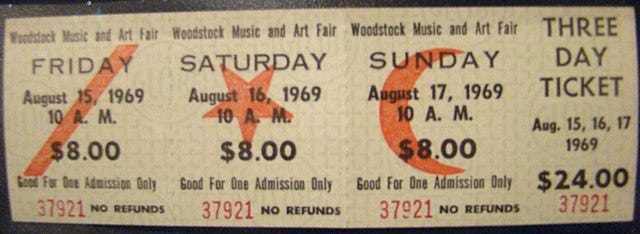
Woodstock was the biggest Happening that took place in Bethel, NY at the 600-acre farm of Max Yasgur from August 15 through 17, 1969. It was a three-day music event attended by more than 400,000 people. The lure of the festival were top rock artists of that era like: Janis Joplin, Jimi Hendrix, and the Jefferson Airplanes. Others observed the potential power of a generation and their rejection of traditional values and goals of America.
Kent State Massacre
The Kent State massacre happened on May 4, 1970 at the town of Kent, Ohio. The protests began on May 1, because they were against the war in Vietnam and also Nixon’s invasion of neighboring Cambodia, which happened on April 30, 1970. Student gathered at the Commons, a park like space at the center of the campus demonstrating against the war, and many speakers spoke against the war and President Nixon. There were alleged clashes between the students; the police and reinforcements were brought in from neighboring communities. The governor of the state declared a state of emergency and ordered all the bars closed. This angered the students even more, which caused The Ohio National Guardsmen to be brought in, and the students responded by burning the ROTC building. On May 4th the protests were peaceful, but when they were ordered to disperse the protestors began attacking the guardsmen with rocks. They fired, and four students were killed, and nine injured. To commemorate the events and the deaths of the students, Crosby, Stills, Nash and Young, an American folk group, released ‘Ohio’ a song a few days after the Kent State shooting.
Contribution to American Society
Gradually, the hippie culture ended in the 70s. Murders like the Tate-La Bianca murders committed by followers of Charles Manson gave them a bad name. The movement as a whole failed due to internal fights within the movement. Also, their sexual promiscuity led to increases in rape and sexual abuse. However, the hippies changed the societal norms that were prevalent at that time and liberalized almost every facet of American life, which we see today. Blue jeans, beards, adornments, legal marijuana, gay marriage, natural foods and single parenthood have all gained acceptance into mainstream American culture.
Please read my other articles, which will be featured in my third novel.
PS: As always, please follow and also subscribe to my emails so that you know when I post a new article.
Please clap for the article and also leave comments, follow me and also please consider joining medium to get full access to every article by clicking here.
To see my website, articles, novels and short stories, please visit my website www.trevordsilva.com