
The Cost Of Delight: Strawberry Ice Cream, Long-Haul Trucks, and the Quest for Perfect Fruit
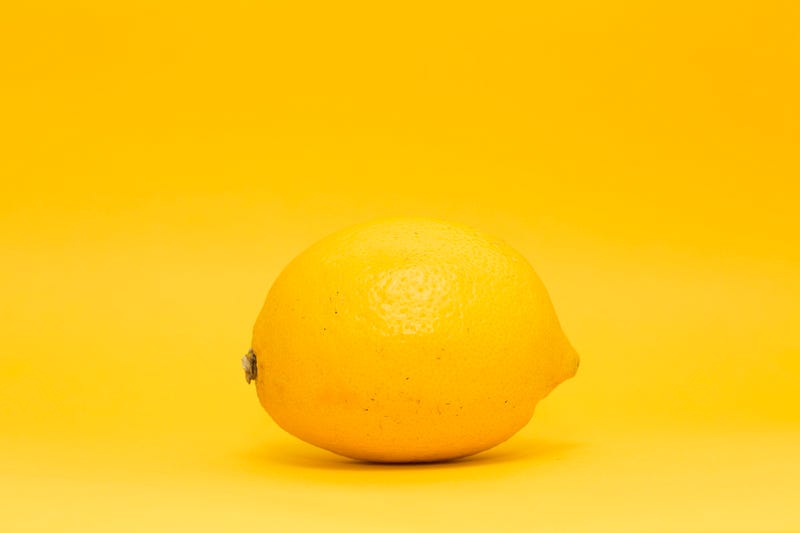
Walking through the supermarket, we often see the well-sorted fruit. Yellow, green, red to orange. From polished apples, yellow bananas, and beautifully stacked lemons, from the Amalfi coast, of course. Everything flawless, almost symmetrical, hardly any imperfections and if one is found it’s simply exchanged. After all, you can’t expect the consumer to accept that. In our huge supermarket halls, in our consumer-oriented speed-of-light world where we want to enjoy strawberries at any time of the year. No matter if Stefan drives his truck thousands of kilometers across all of Europe. I just fancy strawberries, maybe with a bit of ice cream and whipped cream. Delicious, right? One turns a blind eye, after all, everyone does it.
What we forget in this madness is the background, the background of the beautifully stacked fruit. The huge plantations, the workers who often have to work for starvation wages, the transport (environmentally friendly, sarcastically) over thousands of kilometers, the truck packed on the highway, to the unloading area at 3 a.m. at the back entrance of the supermarket, where everything is hastily unloaded and distributed. So that we can then comfortably have our shopping experience. You could almost say, we selfish Western society.
Just so we can buy our fruit cheaply. It almost makes you wonder how that can actually work out. The problem lies, as with everything, with the end consumer. The purchase of the product drives the whole chain. But do we need to consume avocados and pomegranates at all times? Can’t we revert to regional fruit, and look forward to our vanilla ice cream with strawberries in the summer? In winter, we can finally consume durable products like apples, apple strudel with cinnamon doesn’t sound too bad after all.
Another huge problem that we as end consumers are not aware of is the use of pesticides, because how else would everything stay so symmetrical and flawless. After all, insects on the plantations are hungry, nature itself is not flawless. So, everything is treated with pesticides, everything naturally shaped that doesn’t fit is thrown away. The products last long, look great, the pesticides are unknowingly swallowed down with a few bites. Bon appétit. Just recently, I watched an exciting documentary from Germany about pesticides, where the reporter faced the pesticides, ate everything arbitrarily from our supermarket, and in the end tested his exposure through a special microbiological laboratory. Shocking, that much I can say. But more on that in the next article.
What can we finally do?
It’s actually quite simple. Buy seasonal products, shop at organic stores or organic products. A certain renunciation ultimately doesn’t harm us, we are almost addicted to everything immediately. To the immediate. We can no longer wait. Waiting a few months for strawberries should be survivable for all of us, and instead bite into an apple. Bon appétit. Organic of course.