
COVID Taught Me to Let Go of My Mom Fear
I haven’t thought about ventilators in the 15 years since my daughter was on one . . . but here we are.
Prior to the COVID pandemic, did you ever think about ventilators? Now, huddled in our homes with clingy golden retrievers and homeschooled children, we can’t escape discussions about ventilators. New York needs more, the government says we have plenty, some don’t work, others are over-priced, my state only has 400, and scores of people are dying alone on them. Ventilators. Ventilators. Ventilators.
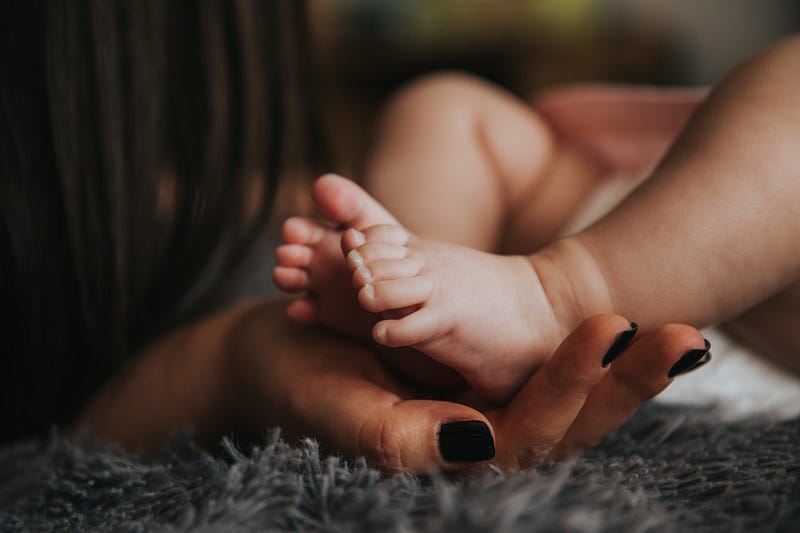
I haven’t thought about ventilators for fifteen years. My daughter was born more than three months premature, weighing 1 pound 15 ounces (898 grams — the only metric measure that I know.) She was immediately whisked away and hooked up to a ventilator. I would visit her each day in the NICU only to leave crying after a few minutes. I couldn’t touch her, console her or let her know that she was loved and not alone.
She was more tubes than baby — a cyborg with a rigatoni shaped Tupperware tube affixed to her motionless tiny body with tape, a servant to a machine that clicked, made a “whooshing” sound and mechanically forced her chest up and down in unemotional, regular intervals. If she had a setback, the head nurse would avoid my gaze then whisper something in my husband’s ear, but I already knew. The ventilator told me.
Because of the fragility of her lungs, my daughter’s homecoming was a swirl of hand sanitizer, incessant hand washing, disinfectant wipes, surgical masks, anxiety and fights with relatives who didn’t understand why they couldn’t hold the baby. Sort of like now.
Year after year I squinted at lung X-rays held up to our front window closely monitoring hazy striations in my daughter’s lungs as they slowly faded. The girl who spent 134 days in the NICU became a child that laughed, ran with her dogs and raced up and down a soccer field while we cheered her on.
Today, her lungs work just fine — to sarcastically snap back at her Dad or to say something under her breath to accompany an eye roll. She is more interested in YouTube, TikTok and Houseparty chats with her friends than discussions of current events around the family dinner table or hanging out with Mom and Dad. Typical teenage behavior I’m told — the manifestation of all of those deals I made with God.
My daughter has lost so much to COVID-19 — school, friends, hugs from grandma, a 9th grade graduation, a Drivers’ permit. She is understandably frustrated, but I am scared. I’m yelling about handwashing and disinfecting surfaces and social distancing. I’m hyperventilating at Wal-Mart curbside pick-up and I definitely don’t let anyone in our house.
At some level I am afraid of me and my family dying. My daughter is a teenager. I get it. She wants to test boundaries, be her own person, and experience the world on her own terms. But why now, with no COVID-19 vaccine, no protection? What if she makes the wrong friends, tries drugs, loves a boyfriend that is abusive, or walks to her car alone through a desolate parking lot? Who is going to protect her? The world can be a scary place, and now even more so as we all fight a stealth unseen common enemy.
The country is now “opening up” and we face increasing pressure to be more comfortable with venturing out of the house, going to restaurants, and having masked dinner parties. I’ve seen this before. My baby’s face without ventilator tubes, smiling and ready to come home. Christmas morning with unopened presents under our personalized Pottery Barn stockings. Christmas morning with our baby back on a ventilator after catching respiratory syncytial virus (RSV). We were told that she may not survive.
In some surreal way, I have returned to that moment. After the communal fear, political rhetoric, and our yearning to be free from our homes is stripped away; I am afraid that venturing out into the world too soon will bring us back to this place. Christmas day on a ventilator.
We are all doing the best we can. My daughter wears a mask outside, she washes her hands, she social distances. I explain to her how deadly and contagious COVID-19 is, how her lungs were so damaged when she was born, about her time on a ventilator. She looks at me like I’m crazy and rolls her eyes. How do I protect her now like I did then?
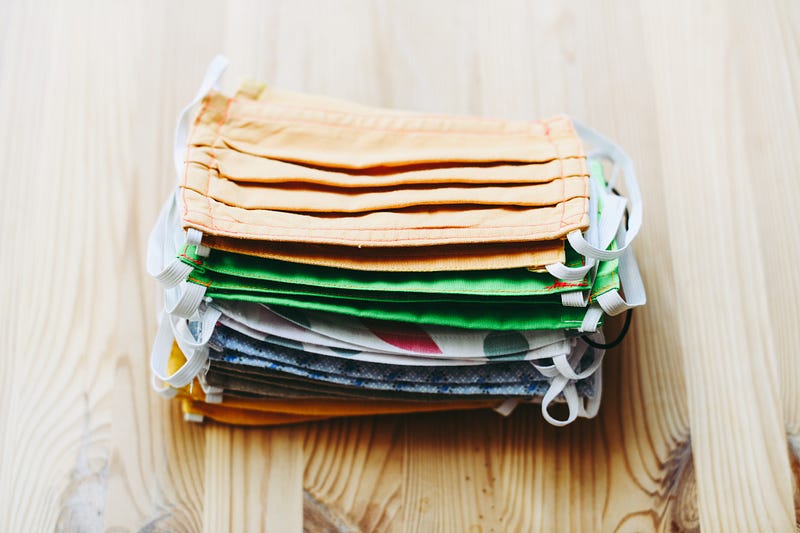
In quarantine we cook together, binge watch Netflix, laugh at each other’s jokes and talk about our hopes for the future. And for once, I slow down enough to listen. During this brutal time, I am grateful that I get to better know the smart and capable young lady behind the surly teenage mask. She has a sly sense of humor. She is smart, beautiful, empathetic, patient and kind. I am chagrined to say that only now am I finally noticing all of the things that she can do, and do well, without me. This forced down-time has allowed me the space to let go of the image of my child as a helpless, fragile preemie on a ventilator, and see her as the vibrant and capable person that she is.
I know that our family, our country, and our world will persevere through the COVID-19 pandemic. We may be forever changed, but our core will remain intact. The talk of ventilators will subside. I will manage my fears of what dangers lurk out in the world for my daughter — virus and non-virus related. I will do my best to prepare her for them — as all Moms do. But, I can’t be held hostage by them. My daughter is much more capable than I realized. She can breathe on her own.
Thanks for reading. If you’d like an email when I publish something new, click here. If you’d like to support me and other Medium writers by becoming a Medium subscriber, click here. If you use this link to sign up, I’ll receive a portion of the membership fee at no additional cost to you.


